

You have likely seen it happen on the highway. A flatbed truck drives by, its cargo covered by a blue or silver sheet that is shredding in the wind. Duct tape holds the corners together, and a strap is flapping dangerously against the side of the load. It is a clear sign of a one-size-fits-all solution failing to do its job.
When you have valuable assets to protect—whether it’s industrial machinery, agricultural produce, or gym equipment—a standard tarp from a big-box store rarely cuts it. These mass-produced covers are designed for general use, not for the specific rigors of your unique application.
This is where the expertise of a custom tarp manufacturer becomes essential. By moving away from generic sizing and materials, businesses can secure protection that actually lasts. Investing in a custom solution isn’t just about covering an object; it is about engineering a defense against the elements that fits like a glove.
The Hidden Costs of “Standard” Sizes
The appeal of buying a standard tarp is usually the upfront price. It seems cheaper to grab a pre-made 20×20 sheet than to commission a specific design. However, the initial savings evaporate quickly when you consider the operational costs of poor fit and frequent replacement.
The “Wind Whip” Effect
The primary enemy of any tarp is wind. When a cover is too large, it bunches up. When it is too small, it stretches awkwardly. Both scenarios create loose fabric that catches the wind. This leads to “wind whip,” a violent flapping motion that destroys fabric fibers in a matter of weeks, or even days on the highway.
A tailored solution eliminates this excess material. A custom tarp manufacturer will measure your specific dimensions—accounting for odd angles, protrusions, and corners—to ensure a taut fit. When the fabric doesn’t flutter, it doesn’t fatigue, significantly extending the lifespan of the cover.
Abrasion and Friction
Ill-fitting tarps rub against the cargo they are supposed to protect. Over a long journey or during months of outdoor storage, this friction acts like sandpaper. It can damage the finish of expensive equipment or bruise delicate agricultural goods. Custom designs can include reinforced wear patches at specific contact points, ensuring the tarp takes the abuse, not your cargo.
Selecting the Right Material for the Job
One of the greatest advantages of working with a professional manufacturer is access to a library of specialized materials. A hardware store might offer “light duty” and “heavy duty,” but industrial applications require more nuance than that.
Heavy-Duty Vinyl
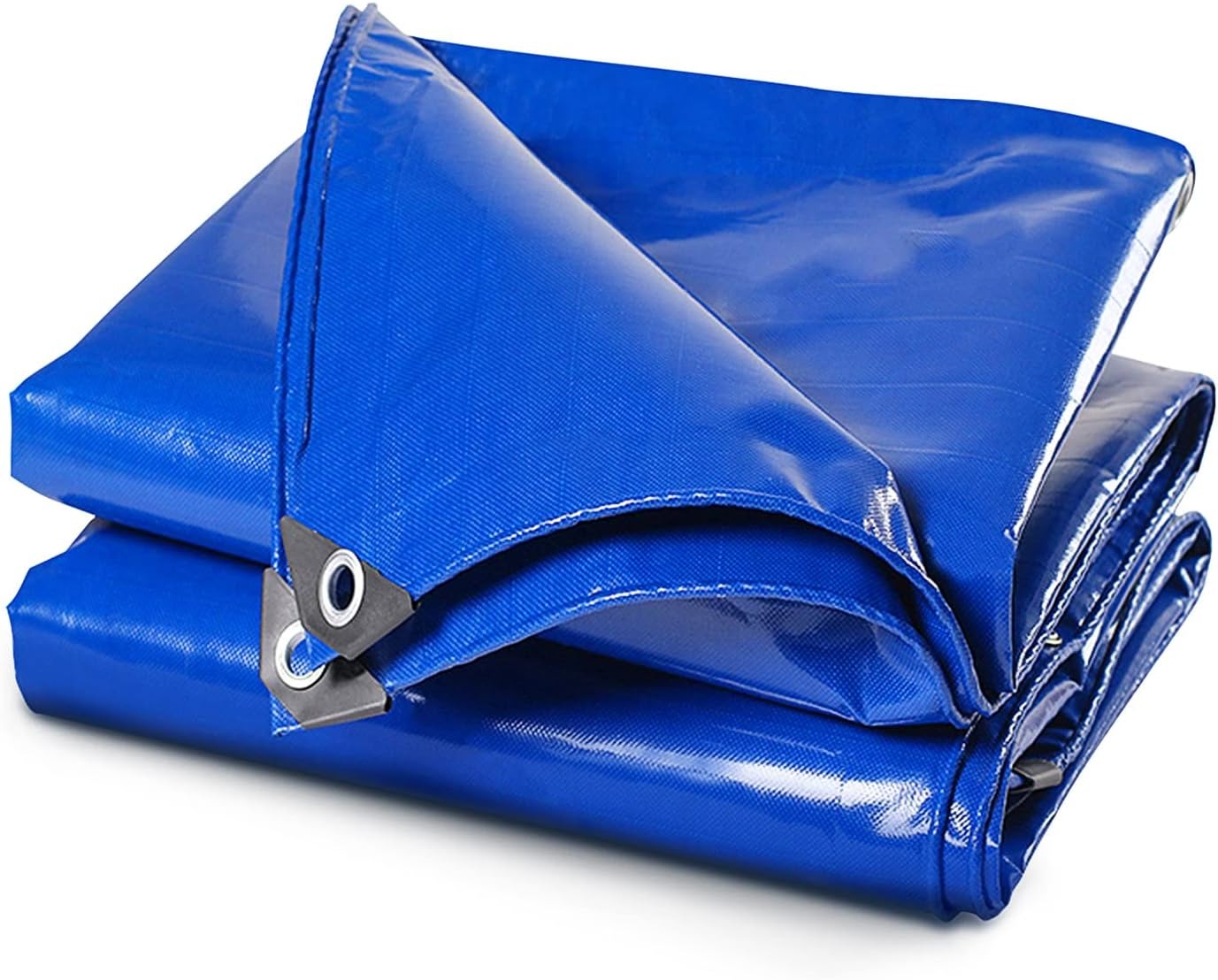
For trucking and industrial waterproofing, 18-ounce or 22-ounce vinyl is the gold standard. It is resistant to tears, UV rays, and mildew. If you are hauling steel coils or lumber, this is likely what you need.
Canvas and Breathability
Sometimes, keeping water out isn’t the only goal; you also need to let moisture escape. Asphalt hauling or covering machinery that is prone to condensation rust often requires canvas or specialized breathable synthetics. A generic poly tarp traps moisture, effectively creating a greenhouse that accelerates rust and rot.
Mesh and Airflow
For dump trucks hauling gravel or sand, you need containment without wind resistance. High-strength mesh keeps debris inside the truck bed while allowing air to pass through, preventing the tarp from acting like a giant sail that drags on fuel efficiency.
Beyond Flat Sheets: Complex Shapes and Crash Pads
Custom manufacturing isn’t limited to flat 2D sheets. Many industries require complex 3D shapes. Think of the protective padding used in gymnastics centers, climbing gyms, or industrial safety zones. These “crash pads” require durable vinyl exteriors encasing specific densities of foam.
A generic supplier cannot fabricate a crash pad that fits a unique architectural column or a specific piece of gym apparatus. A custom tarp manufacturer acts as a fabricator, cutting and sewing vinyl to exact specifications. They can integrate zippers, velcro flaps, and handles where standard manufacturers would only offer grommets.
This level of customization is vital for safety equipment. If a landing mat shifts because it doesn’t fit the landing zone perfectly, it creates a liability. Custom fitting ensures that safety gear stays exactly where it is supposed to be.
What to Look for in a Manufacturing Partner
Not all vinyl products are created equal. When you decide to upgrade your asset protection, you need to vet your supplier carefully. Here are the hallmarks of a quality production facility.
Heat-Sealed Seams vs. Stitching
For vinyl applications, look for a custom tarp manufacturer that utilizes heat-sealing technology. While stitching is necessary for some materials, needle holes can be potential leak points in waterproof vinyl. Heat sealing welds the panels together, creating a bond that is often stronger than the original fabric and completely watertight.
Reinforcement Strategies
The edges and corners are the first places to fail. Quality craftsmanship involves double or triple-folding hems and inserting webbing inside the hem for extra strength. Grommets should be made of brass or stainless steel to prevent rusting and should be set through multiple layers of fabric to prevent pull-out.
specific Hardware Integration
Do you need D-rings? E-track fittings? Specialty turn-buttons? A custom approach allows you to integrate specific hardware directly into the tarp’s design, streamlining your tie-down process and saving your team time every time they load or unload.
The ROI of Customization
It is easy to view a tarp as a disposable commodity, but this mindset drains budgets. If you replace a cheap $50 tarp every three months, you are spending $200 a year, plus the labor cost of replacement and the risk of damage when the tarp fails unexpectedly.
Conversely, a high-quality custom cover costing $300 might last three to five years with proper care. The Return on Investment (ROI) is evident not just in the longevity of the product, but in the peace of mind. You know your assets are dry, clean, and secure.
Whether you need a massive lumber tarp for a flatbed fleet, a specialized cover for a boat, or crash pads for a training facility, the path to durability starts with a custom tarp manufacturer. By choosing a partner who understands your specific constraints and requirements, you stop spending money on temporary fixes and start investing in professional-grade protection.
Upgrade Your Protection Today
Your equipment works hard, and it deserves protection that works just as hard. Don’t let valuable assets depreciate under flimsy plastic sheets.
If you are ready to stop replacing torn covers and start utilizing gear designed for your specific needs, it is time to reach out to a professional. A custom tarp manufacturer can guide you through the selection process, helping you choose the right weight, weave, and dimensions for your project.
Get the fit right the first time, and secure your cargo with confidence.
read more on goodroasts.org
