
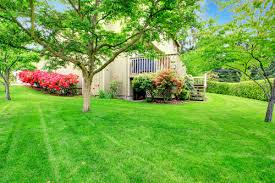

A healthy, vibrant lawn does more than improve your home’s curb appeal. It creates a welcoming outdoor space where you can relax, entertain, and enjoy nature. Keeping your lawn and yard in excellent condition requires consistent care, smart planning, and attention to seasonal changes.
Whether you’re maintaining a small residential lawn or a larger yard, following proven best practices will help you achieve lush grass, thriving plants, and a neat outdoor environment all year long. Read on.
Understand Your Soil and Grass Type
Before starting any lawn care routine, it’s important to understand your soil and the type of grass growing in your yard. Different grass varieties have different:
- Sunlight
- Water
- Nutrient requirements
Warm-season grasses thrive in hot climates, while cool-season grasses grow better in cooler regions. Testing your soil is one of the smartest first steps. A soil test reveals pH levels and nutrient deficiencies, helping you determine what fertilizers or amendments your lawn truly needs.
Grass generally prefers slightly acidic soil (pH 6.0 to 7.0). Adjusting soil conditions ensures your lawn can absorb nutrients effectively, resulting in stronger roots and healthier growth.
Mow Properly and Consistently
Mowing seems simple, but proper technique makes a big difference in lawn health. One of the most important rules is never to cut more than one-third of the grass blade length at a time. Cutting too short stresses the grass and weakens the root system, making it more vulnerable to weeds and disease.
Keep your mower blades sharp to ensure clean cuts. Dull blades tear the grass instead of slicing it, leading to brown, ragged edges. Additionally, vary your mowing pattern each week as this prevents soil compaction and helps grass grow upright.
Leave grass clippings on the lawn when possible. This practice, known as grasscycling, returns nutrients to the soil and reduces the need for extra fertilizer. Large lawns can be a time-consuming effort, so using the right tools can make a massive difference in maintaining a healthy yard without sacrificing all your free time. Homeowners are often encouraged to take advantage of WORX Landroid automation tech that can handle these routine, daily mowing tasks entirely on autopilot. These smart robotic mowers are designed to cut just a tiny sliver of grass at a time, which allows the micro-clippings to break down quickly and enrich the soil naturally. Incorporating this type of smart lawn care setup ensures a consistently manicured yard while freeing you up to enjoy
your weekends.
Water Deeply but Infrequently
Watering correctly is essential for maintaining a lush lawn. Instead of frequent shallow watering, aim for deep, infrequent watering sessions. This encourages roots to grow deeper into the soil, making your lawn more drought-resistant.
Most lawns need about one to one and a half inches of water per week, including rainfall. Early morning is the best time to water because it reduces evaporation and allows grass blades to dry during the day, lowering the risk of fungal diseases.
Watch for signs of overwatering, such as soggy soil or yellowing grass. Proper drainage and balanced watering keep roots healthy and strong.
Fertilize Strategically
Fertilizer provides essential nutrients that grass needs to grow thick and green. However, applying the right type at the right time is crucial. Over-fertilizing can burn grass and harm the environment.
Choose a fertilizer that matches your soil test results. Slow-release fertilizers are often a good option because they provide steady nutrients over time. Apply fertilizer during the active growing season for your specific grass type-spring and early fall for cool-season grasses, and late spring through summer for warm-season grasses.
Spread fertilizer evenly using a broadcast or drop spreader to avoid patchy growth. Always follow label instructions carefully to prevent overapplication.
Control Weeds Early
Weeds compete with grass for sunlight, nutrients, and water. The key to effective weed control is prevention and early action. A thick, healthy lawn naturally crowds out many weeds.
Apply pre-emergent herbicides in early spring to prevent common weeds from germinating. For existing weeds, spot-treat them with post-emergent herbicides or remove them by hand.
Be sure to identify the weed type before choosing a treatment method. Regular mowing at the proper height also helps reduce weed growth by shading the soil and preventing weed seeds from sprouting.
Aerate to Improve Soil Health
Over time, soil can become compacted, especially in high-traffic areas. Compacted soil limits air, water, and nutrient flow to grass roots. Aeration solves this problem by creating small holes in the soil, allowing better circulation.
Core aeration, which removes small plugs of soil, is typically more effective than spike aeration. The best time to aerate depends on your grass type-during active growth periods for best recovery. Aerating once a year (or every other year for less compacted lawns) promotes deeper root growth and improves overall lawn health.
Maintain Edges and Landscaping Features
A well-maintained yard goes beyond the grass itself. Clean, defined edges along sidewalks, driveways, and flower beds give your lawn a polished appearance. Use a string trimmer or edging tool to keep borders neat.
Regularly trim shrubs and bushes to maintain their shape and prevent overgrowth. Remove dead branches and faded flowers to encourage new growth and maintain plant health.
Adding mulch around trees and garden beds helps retain moisture, regulate soil temperature, and reduce weed growth. Organic mulch also improves soil quality as it breaks down over time. It’s also beneficial to hire a top lawn care service to help keep your outdoor space well-maintained.
Adjust Care with the Seasons
Seasonal adjustments are essential for year-round lawn care success. In spring, focus on fertilizing, weed prevention, and repairing winter damage. Summer care emphasizes proper watering and mowing at slightly higher heights to protect against heat stress.
During fall, aerate, overseed thin areas, and apply fertilizer to strengthen roots before winter. In colder climates, prepare your lawn for dormancy by clearing leaves and debris to prevent molds and diseases. Adapting your maintenance routine based on seasonal conditions ensures consistent results and long-term lawn vitality.
Keep Tools Clean and Well-Maintained
Properly maintained equipment improves efficiency and lawn health. Clean mower decks, sharpen blades regularly, and check for worn parts. Store tools in a dry place to prevent rust and damage.
Irrigation systems should be inspected periodically to ensure even water distribution. Fix leaks or broken sprinkler heads promptly to avoid dry patches or water waste. Taking care of your tools ensures they work effectively and extend their lifespan.
Start Building a Lawn Care Plan Today
Keeping your lawn and yard in shape requires consistency, knowledge, and thoughtful care. By understanding your soil, mowing properly, watering wisely, fertilizing strategically, and adjusting to seasonal changes, you can maintain a healthy and attractive outdoor space.
A well-maintained lawn enhances your property’s appearance and provides a comfortable space for outdoor activities. With the right approach and regular attention, your yard can remain lush, green, and inviting throughout the year.
If you want to read more articles, visit our blog.
