
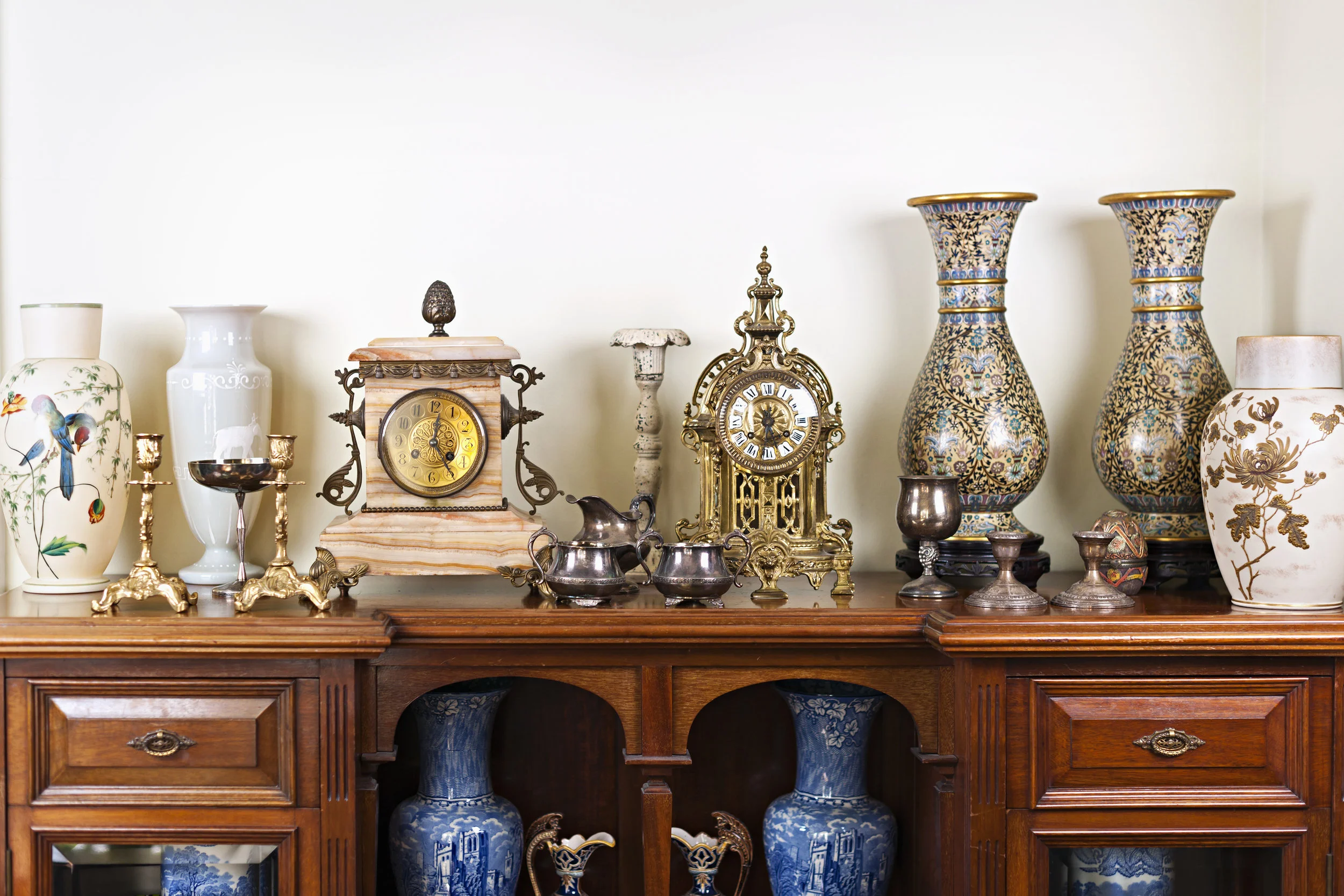

Many people own valuable antiques but are unsure how to sell them. Some items may have been passed down through family members. Others might have been discovered during estate cleanouts, downsizing, or home renovations. These items can include antique furniture, vintage jewelry, collectible coins, or decorative objects from historical periods like the Victorian Era or the Arts and Crafts Movement.
In the past, selling antiques often required transporting heavy or fragile items to antique shops or auction houses. That process could be difficult, especially when dealing with large furniture or entire collections. Today, many sellers are turning to antique buyers’ house calls as an easier solution.
With this service, professional antique buyers visit a seller’s home to evaluate items directly. They inspect antiques, determine their value, and may even make an offer on the spot. Because of this convenience, many people wonder if house call antique buyers are the easiest way to sell antiques from home.
What Are Antique Buyers House Calls?
An antique buyer house call is when a professional antique dealer or collector visits a seller’s home to examine antiques and collectibles. Instead of bringing items to a shop, the buyer evaluates the pieces on location.
How In-Home Antique Buying Services Work
The process usually begins when a seller contacts antique buyers to request a home visit. During this visit, the buyer examines the antiques carefully. They may look at materials, craftsmanship, age, and historical significance.
Common steps in the process include:
- Scheduling an in-home visit with antique dealers
- Inspecting items such as antique furniture, silverware, or vintage collectibles
- Researching the market value of the antiques
- Making a purchase offer if the buyer is interested
This process allows sellers to learn about the value of their items without needing to transport them elsewhere.
Why Sellers Choose House Call Antique Buyers
Many sellers prefer house call antique buyers because of the convenience. Some antiques are large or fragile, making transportation difficult.
For example, items like Victorian oak cabinets, antique dining tables, or vintage armoires can be very heavy. Moving these pieces safely requires time and effort.
House calls eliminate that problem. Buyers visit the home, inspect the antiques, and often handle transportation if the seller accepts an offer.
When Should You Request an Antique Buyer House Call?
Although house calls can be helpful for many sellers, they are especially useful in certain situations.
Selling Large or Heavy Antique Furniture
Large pieces such as antique oak furniture, Victorian wardrobes, or antique bookcases are difficult to move. Transporting these items may require professional movers or large vehicles.
When antique furniture buyers visit the home, they can examine the pieces where they are located. This allows them to inspect construction details, wood condition, and craftsmanship without risking damage during transportation.
Evaluating Estate Collections at Home
House calls are also helpful when selling items from an estate collection. Families who inherit antiques may not know the value of the items they own.
An experienced antique appraiser can evaluate multiple pieces during a single visit. This may include:
- Antique jewelry
- Vintage coins
- Silver collectibles
- Historical memorabilia
- Decorative art objects
This process helps families understand which pieces have significant value and which ones are more common collectibles.
What Types of Antiques Do Buyers Evaluate During House Calls?
During a house visit, professional antique buyers may inspect a wide range of items.
Antique Furniture and Decorative Pieces
Furniture is one of the most common categories evaluated during antique buyer house calls. Buyers often look for pieces made from solid wood, especially oak, mahogany, and walnut.
Examples of furniture that attract interest include:
- Victorian sideboards
- Antique oak dining tables
- Roll-top desks
- Antique dressers and cabinets
- Vintage bookcases
Buyers examine the joinery, wood grain, and craftsmanship to determine authenticity and age.
Decorative antiques may also attract attention. Items like porcelain figurines, vintage lamps, and decorative clocks can sometimes hold significant value.
Jewelry, Coins, and Collectibles
Many house call evaluations include smaller collectibles. Buyers may inspect items such as antique jewelry, gold watches, silver coins, or rare collectibles.
For example, collectors often seek:
- Vintage gold jewelry
- Antique pocket watches
- Rare coin collections
- Sterling silver tableware
- Historical medals
Because these items are small but valuable, they are often included in estate antique evaluations.
How Antique Buyers Determine Value During a House Visit
When evaluating antiques, buyers consider several factors that affect value in the antique collectibles market.
Examining Age, Materials, and Craftsmanship
The first step in evaluating antiques is identifying the materials and construction methods. Many antiques were built using traditional craftsmanship that differs from modern manufacturing.
Buyers may look for:
- Hand-cut dovetail joints
- Solid hardwood construction
- Original hardware and finishes
- Natural wear patterns
Furniture from the Victorian Era or the Arts and Crafts Movement often shows distinctive craftsmanship that collectors value.
Researching Market Demand for Antiques
Another important factor is demand in the antique market. Some styles of antiques are more popular than others.
For example, mid-century modern furniture, Victorian oak furniture, and certain vintage collectibles may attract strong interest from buyers.
Antique dealers often compare items with recent auction sales to determine current market prices.
Benefits of Selling Antiques Through House Call Services
House call services offer several advantages for people who want to sell antiques from home.
Convenience and Time Savings
One of the biggest benefits is convenience. Sellers do not need to pack or transport fragile antiques.
Instead, antique buyers come directly to the home. This saves time and reduces the risk of damaging valuable items.
This approach is especially helpful for older homeowners or families managing large estate collections.
Immediate Offers From Antique Buyers
Another advantage is the possibility of immediate offers. After inspecting antiques, buyers may make a purchase offer during the visit.
If the seller agrees, the transaction can sometimes happen the same day. In many cases, buyers will also arrange transportation for large furniture pieces.
This process can make selling antiques much faster than traditional consignment or auction methods.
Tips for Preparing for an Antique Buyer House Call
Preparation can help sellers get the most value from their antiques.
Organizing Your Antique Items
Before the visit, it helps to organize antiques in a clear space. This allows the buyer to examine items easily.
Sellers may want to group similar items together, such as:
- Antique furniture pieces
- Vintage collectibles
- Jewelry and coins
- Decorative antiques
This organization helps the buyer evaluate the collection more efficiently.
Gathering Documentation and History
Documentation can increase the value of antiques. Buyers appreciate information about the history of an item.
Helpful documents may include:
- Old purchase receipts
- Certificates of authenticity
- Family records about the item’s origin
- Previous appraisal reports
Items with documented history often attract stronger interest from collectors.
Conclusion: House Call Antique Buyers Offer a Convenient Selling Option
Selling antiques can sometimes feel overwhelming, especially when dealing with large furniture or inherited collections. However, antique buyers house calls provide a simple and convenient solution for many sellers.
By visiting the home, professional antique buyers can evaluate items directly. This allows them to inspect antiques carefully and determine their value without requiring transportation.
House calls are particularly useful for selling antique furniture, evaluating estate collections, and identifying valuable vintage collectibles. Sellers benefit from expert evaluation, convenience, and the possibility of immediate offers.
While auctions and antique shops remain popular selling options, house call antique buyers have become an increasingly practical choice for people who want to sell antiques quickly and safely.
With proper preparation and a clear understanding of the process, sellers can confidently explore this option and discover whether their antiques hold hidden value in today’s antique collectibles market.
