
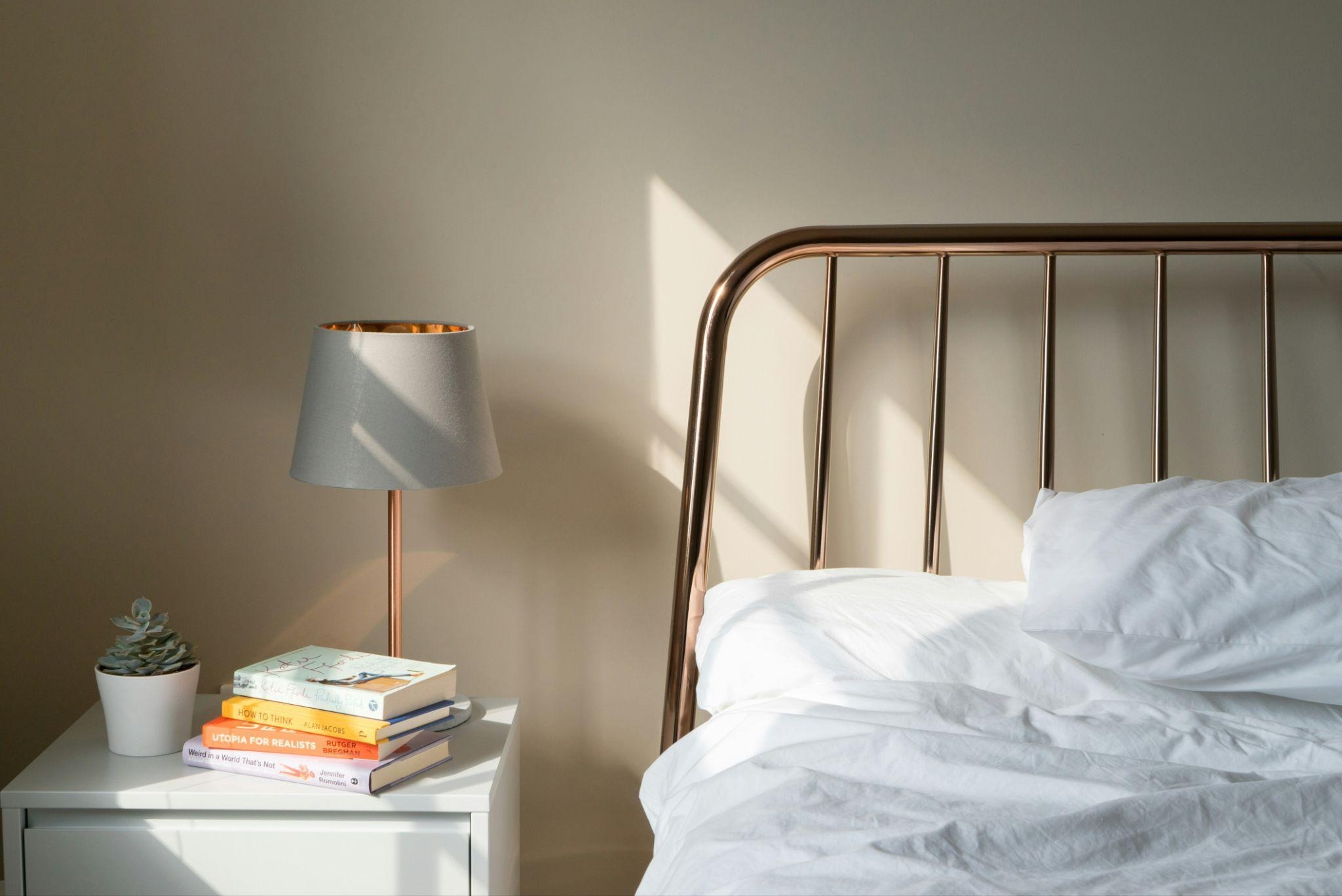

After long and stressful workdays, most people want their bedroom to feel calm immediately the moment they walk in. However, many bedrooms unintentionally stay filled with the same overstimulation, clutter, bright lighting, and distractions people deal with throughout the rest of the day. As work schedules become more demanding and screen time continues increasing, small bedroom details often play a much bigger role in emotional recovery than people initially realize.
A relaxing bedroom usually does not depend on expensive furniture or dramatic redesigns. In many cases, the atmosphere created by lighting, textures, scent, organization, and nighttime habits affects how restful the space feels much more strongly. Small comfort-focused upgrades often make the biggest difference because they help the body and mind transition away from stress more naturally.
The bedrooms people find most relaxing are often the ones designed around comfort, quietness, and recovery rather than purely visual appearance.
Softer Lighting Helps the Brain Slow Down
One of the biggest factors affecting nighttime relaxation is lighting. Bright overhead lights often keep the brain feeling alert long after work ends, especially after spending all day around screens and artificial office lighting.
Many people now prefer lamps, dimmer lighting, warmer bulbs, or softer bedside lighting during evening hours because it creates a calmer atmosphere almost immediately. Lower lighting also helps establish stronger separation between stressful daytime activity and nighttime recovery.
Bedrooms generally feel far more restful when the lighting supports relaxation instead of continuing the same bright intensity used throughout the day.
Bedding Comfort Affects Sleep More Than People Expect
People often underestimate how much physical comfort influences emotional recovery after stressful schedules. Bedding texture, mattress support, pillow quality, and room temperature all affect how deeply the body relaxes at night.
Softer fabrics and more breathable materials often help bedrooms feel noticeably calmer and more inviting after long workdays. Comfort matters because physical tension tends to build gradually during stressful weeks without people fully realizing it.
Small improvements in comfort frequently make nighttime routines feel significantly more restorative overall.
Evening Habits Shape the Bedroom Atmosphere
Bedrooms usually feel more relaxing when nighttime habits stay calmer and less overstimulating. Many people now intentionally reduce phone use, notifications, loud television, or work-related tasks before bed because constant stimulation often makes sleep feel less restorative.
Quiet music, stretching, reading, lower lighting, and slower evening pacing frequently help the nervous system decompress more naturally after mentally exhausting days.
CBD gummies for sleep are sometimes kept alongside other nighttime comfort items used to make evenings feel quieter, less overstimulating, and more separated from the pace of demanding days.
Scent Has a Strong Effect on Relaxation
Another bedroom detail many people now prioritize is scent. Calmer fragrances often help create stronger emotional separation between work stress and nighttime recovery.
Candles, linen sprays, essential oils, soaps, and softer fragrances frequently become part of bedtime routines because scent strongly influences how comforting a space feels emotionally. Familiar calming scents often help people settle into quieter routines more easily.
Many homeowners use products from https://goatmilksoap.com/ as part of simpler nighttime comfort habits that help bedrooms and bathrooms feel more relaxing after stressful days.
Clutter Makes Bedrooms Feel Mentally Busy
One reason many people struggle relaxing at night is that bedrooms often contain visual reminders of unfinished tasks, laundry, work materials, or general disorganization.
Clutter frequently keeps the brain feeling mentally active even when people are physically exhausted. Bedrooms generally feel far more restful when surfaces stay cleaner, storage feels manageable, and visual distractions are reduced slightly.
The goal is not perfection. Even smaller improvements in organization often make bedrooms feel emotionally calmer overall.
Temperature and Airflow Matter Too
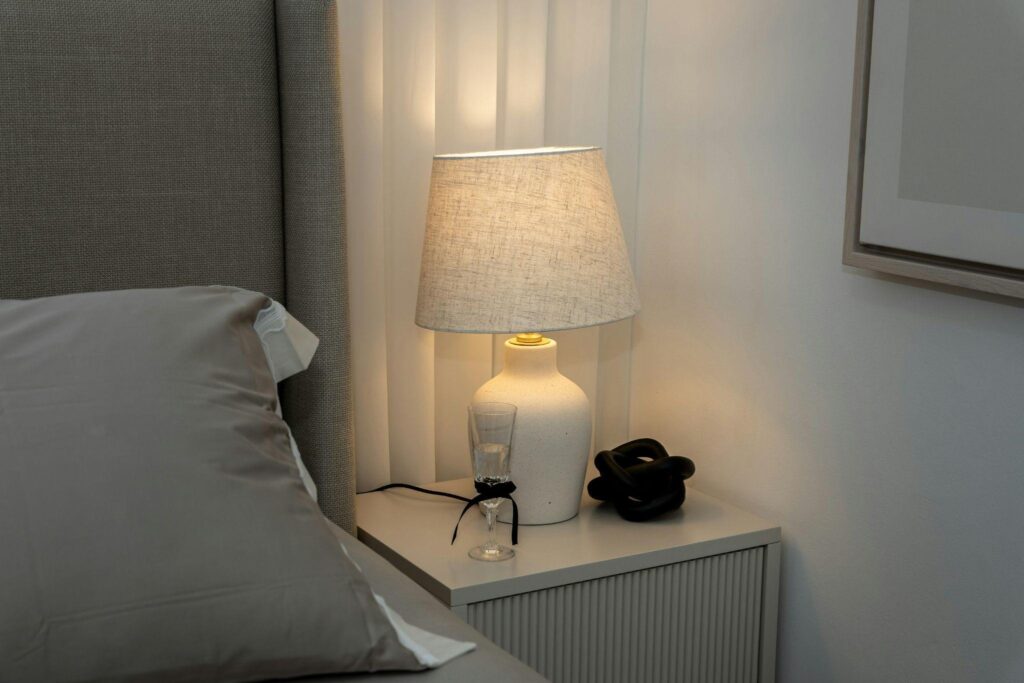
Photo by Shoham Avisrur on Unsplash
People often sleep better when bedrooms stay slightly cooler and better ventilated during the night. Overheated or stuffy rooms frequently make sleep feel lighter and less restorative.
Simple adjustments like fans, breathable bedding, blackout curtains, or improved airflow often improve comfort significantly without requiring expensive upgrades.
Physical comfort usually affects emotional recovery much more strongly than people initially expect after stressful schedules.
Bedrooms Work Best When They Feel Separate From Work
As remote work becomes more common, many people struggle because bedrooms slowly become extensions of workspaces. Laptops, emails, notifications, and work stress sometimes follow people directly into bed every night.
This is one reason many individuals now try to create stronger boundaries between work and sleep environments. Removing unnecessary screens, reducing work materials in bedrooms, and protecting nighttime routines often helps people decompress more effectively.
Bedrooms usually feel more restorative when they support recovery instead of continued productivity.
Small Comfort Habits Usually Matter Most
Many people assume improving sleep requires major lifestyle overhauls, but smaller comfort habits often create the strongest long-term difference. Softer lighting, calmer routines, reduced clutter, comfortable textures, and lower stimulation generally help people recover more consistently during stressful weeks.
According to the Sleep Foundation, sleep environments and nighttime routines strongly influence overall sleep quality and emotional recovery. Consistent comfort-focused habits often help improve both physical and mental well-being over time.
Bedrooms Are Becoming Recovery Spaces
Modern bedrooms are increasingly designed around recovery rather than simply functioning as places to sleep. People want spaces that help them feel calmer, more comfortable, and emotionally separated from work stress at the end of the day.
Lighting, scent, bedding, quieter routines, organization, and smaller comfort rituals all contribute to how restorative bedrooms actually feel during demanding weeks.
As everyday life continues becoming faster and more digitally overwhelming, many people are discovering that the smallest bedroom details often make the biggest difference in how rested and emotionally balanced they feel the next morning.
