

Electrical problems are among the leading causes of property damage across the UK, particularly in older London buildings where ageing wiring and outdated installations remain common. While many property owners focus on insurance policies themselves, far fewer understand how important electrical safety reports can become when making a claim.
In 2026, insurers are paying much closer attention to property maintenance and compliance documentation before approving claims related to electrical faults, fires, or property damage. Without proper electrical certification, landlords and homeowners may face delays, reduced payouts, or disputes with insurers following an incident.
For many property owners, obtaining regular inspections from a qualified Electrician in London is no longer simply about meeting safety standards. It has become an important part of protecting both the property and its financial security.
What Is an Electrical Safety Report?
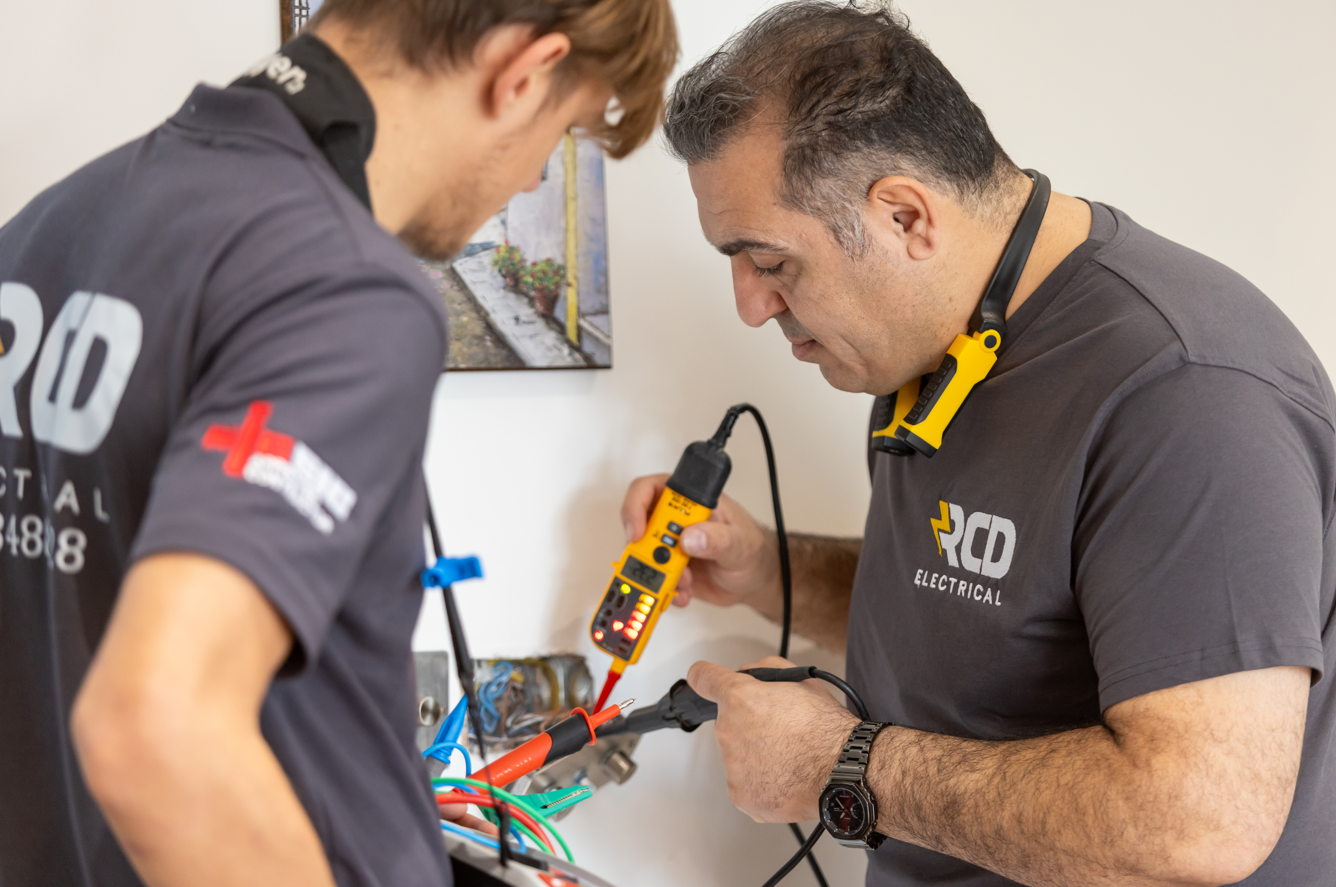
An electrical safety report, commonly known as an EICR (Electrical Installation Condition Report), is a professional assessment of a property’s fixed electrical installation.
The inspection evaluates whether the electrical system is safe for continued use and identifies any defects, deterioration, or compliance issues.
The report typically covers:
- Consumer units and fuse boards
- Electrical wiring
- Socket outlets and switches
- Lighting circuits
- Earthing and bonding
- Circuit protection devices
- Distribution boards
- Signs of overheating or damage
Once completed, the electrician issues a report outlining the condition of the installation and highlighting any issues requiring attention.
These inspections are particularly important in London properties, where many buildings contain ageing electrical infrastructure hidden behind walls, ceilings, and older renovations.
Why Insurance Companies Care About Electrical Safety
Insurance providers assess risk carefully before approving claims. Electrical faults are one of the most common causes of domestic and commercial fires in the UK, meaning insurers increasingly expect property owners to demonstrate that reasonable precautions have been taken to maintain safe electrical systems.
When a fire or electrical incident occurs, insurers may investigate factors such as:
- The age of the electrical installation
- Whether inspections were carried out
- Previous maintenance history
- Evidence of negligence
- Compliance with safety regulations
- Whether defects were known but ignored
An up-to-date electrical safety report helps demonstrate that the property owner acted responsibly by arranging professional inspections and maintaining the installation appropriately.
Without this documentation, insurers may question whether preventable faults contributed to the incident.
How EICRs Support Insurance Claims
An EICR provides independent evidence of the condition of a property’s electrical installation at the time of inspection.
This can become extremely valuable during insurance disputes.
A valid report may help property owners:
- Demonstrate responsible maintenance
- Support fire-related insurance claims
- Reduce allegations of negligence
- Show compliance with regulations
- Confirm that remedial work was completed
- Provide documented inspection history
If an electrical fault later causes damage, the report may show that the installation had previously been professionally assessed and maintained.
For landlords, especially, this documentation can be critical when dealing with insurers after tenant-related incidents or property fires.
Common Situations Where Insurance Claims Become Complicated
Many property owners only discover the importance of electrical certification after a serious problem occurs.
Common scenarios include:
Electrical Fires If faulty wiring causes a fire, insurers may investigate whether the electrical installation had been inspected recently.
Water Damage Affecting Electrics: Flooding or leaks may damage circuits, wiring, or fuse boards. Insurers often expect follow-up safety testing after such incidents.
Tenant Claims Against Landlords Tenants injured by electrical faults may pursue compensation claims, particularly if maintenance records are incomplete.
Commercial Property Interruptions Businesses suffering electrical failures may need evidence of proper maintenance when claiming for lost income or equipment damage.
Renovation-Related Faults Improper electrical work during renovations can create hidden hazards that later result in insurance disputes.
In many cases, the absence of proper inspection records creates unnecessary complications during the claims process.
Why Older London Properties Face Greater Risks
London contains some of the oldest housing stock in the country, much of which was never designed for modern electrical demand.
Common risks found in older properties include:
- Ageing wiring insulation
- Outdated fuse boards
- Poor historic alterations
- Overloaded circuits
- Inadequate earthing
- Unsafe DIY electrical work
Victorian and Edwardian properties converted into flats are especially vulnerable because many have undergone multiple electrical modifications over several decades.
Even when installations appear functional, hidden deterioration may still exist behind walls and ceilings.
This is why insurers increasingly expect evidence of proper electrical maintenance for older London properties.
Landlord Responsibilities and Insurance Protection
For landlords, electrical safety reports have become particularly important due to legal obligations surrounding tenant safety.
Current regulations require landlords in England to arrange electrical inspections at least every five years in most rental properties.
Failure to comply may not only lead to enforcement action but could also affect insurance protection.
Landlords without valid electrical reports may face challenges such as:
- Delayed insurance claims
- Increased liability exposure
- Disputes following tenant injuries
- Difficulties proving compliance
- Reduced insurer confidence
Maintaining proper inspection records demonstrates proactive property management and helps reduce long-term risk.
Commercial Properties and Electrical Compliance
Commercial buildings often place far greater strain on electrical systems than residential properties.
Offices, restaurants, retail spaces, and warehouses rely heavily on continuous electrical operation.
For business owners, electrical safety reports help support:
- Building insurance requirements
- Workplace safety compliance
- Fire risk management
- Equipment protection
- Business interruption claims
Insurers frequently expect commercial property owners to demonstrate ongoing electrical maintenance due to the increased risks associated with high electrical demand.
Regular inspections help identify faults before they lead to costly operational disruption.
The Link Between Electrical Fires and Insurance Claims
Electrical faults remain one of the most common causes of fires in UK buildings.
Problems such as loose connections, overloaded circuits, damaged cables, and faulty consumer units can all generate excessive heat over time.
If a fire investigation identifies poor maintenance or neglected electrical defects, insurers may argue that the damage could have been prevented.
This does not necessarily mean claims will always be rejected, but disputes can become more complex and time-consuming.
A recent EICR helps show that the installation was professionally assessed and any significant risks were identified or addressed appropriately.
Common Electrical Issues That Raise Insurance Concerns
Certain electrical defects are particularly likely to concern insurers.
These include:
Outdated Consumer Units Older fuse boxes without modern RCD protection increase fire and shock risks.
Aluminium or Rubber Wiring. Some older wiring materials deteriorate significantly with age.
Overloaded Circuits Modern electrical demand can overwhelm older installations.
Poor DIY Installations. Unqualified electrical work often creates hidden hazards.
Lack of Earthing and Bonding. Improper grounding increases shock risks.
Ignored Inspection Recommendations: Failing to complete recommended remedial work may weaken a property owner’s position during claims.
Regular inspections help identify and resolve these issues before serious incidents occur.
Why Preventive Maintenance Matters
Many electrical faults develop gradually over time rather than appearing suddenly.
Loose connections, deteriorating insulation, and overloaded circuits may worsen for years before eventually causing visible problems.
Preventative maintenance helps property owners:
- Reduce fire risks
- Avoid emergency repair costs
- Protect tenants and occupants
- Maintain insurance confidence
- Extend installation lifespan
- Minimise business disruption
In London’s older buildings, especially, preventative inspections are often far cheaper than dealing with the consequences of major electrical failures.
What Insurers May Ask for After an Incident
Following a significant electrical incident or fire, insurers may request:
- Electrical safety certificates
- EICR reports
- Maintenance records
- Details of remedial work
- Installation dates
- Evidence of contractor qualifications
Keeping organised documentation makes the claims process significantly smoother and demonstrates responsible ownership.
Property owners who cannot provide maintenance history may face additional scrutiny.
How Often Should Electrical Inspections Be Carried Out?
Inspection frequency depends on the property type and usage.
Typical recommendations include:
- Rental properties: every 5 years
- Commercial properties: every 5 years or sooner
- Industrial environments: every 3 years
- Owner-occupied homes: every 10 years recommended
Additional inspections may be advisable after:
- Flooding or water damage
- Major renovations
- Electrical faults
- Property purchases
- Fire incidents
Older properties may also require more frequent assessments due to ageing infrastructure.
Choosing the Right Electrician
Insurance-related electrical inspections should always be carried out by properly qualified professionals.
Property owners should choose electricians who are:
- NICEIC or NAPIT registered
- Fully insured
- Experienced with inspections and certification
- Familiar with London properties
- Transparent with reporting
Reliable electricians provide clear documentation and practical guidance without exaggerating unnecessary work.
Accurate reporting is particularly important when inspections may later support insurance claims.
The Future of Electrical Compliance and Insurance
As insurers continue improving risk assessment processes, electrical safety documentation is likely to become even more important in the years ahead.
Several factors are increasing pressure on electrical systems, including:
- Electric vehicle charging
- Smart home technology
- Renewable energy installations
- Higher appliance usage
- Energy efficiency upgrades
With electrical demand continuing to rise, insurers are expected to place even greater emphasis on preventative maintenance and compliance evidence.
Forward-thinking property owners are increasingly viewing electrical inspections as an investment in long-term risk reduction rather than simply a regulatory requirement.
Final Thoughts
Electrical safety reports now play a far greater role in property protection than many London homeowners and landlords realise. In 2026, they are not only essential for identifying hidden electrical hazards but also increasingly important when dealing with insurance claims following fires, faults, or property damage.
An up-to-date EICR helps demonstrate responsible maintenance, supports compliance obligations, and provides valuable evidence if insurers investigate the cause of an incident. Without proper documentation, property owners may face avoidable disputes, delays, and financial uncertainty during already stressful situations.
By arranging regular inspections, addressing remedial work promptly, and maintaining clear records, property owners can better protect both their buildings and their financial interests for the future.
