
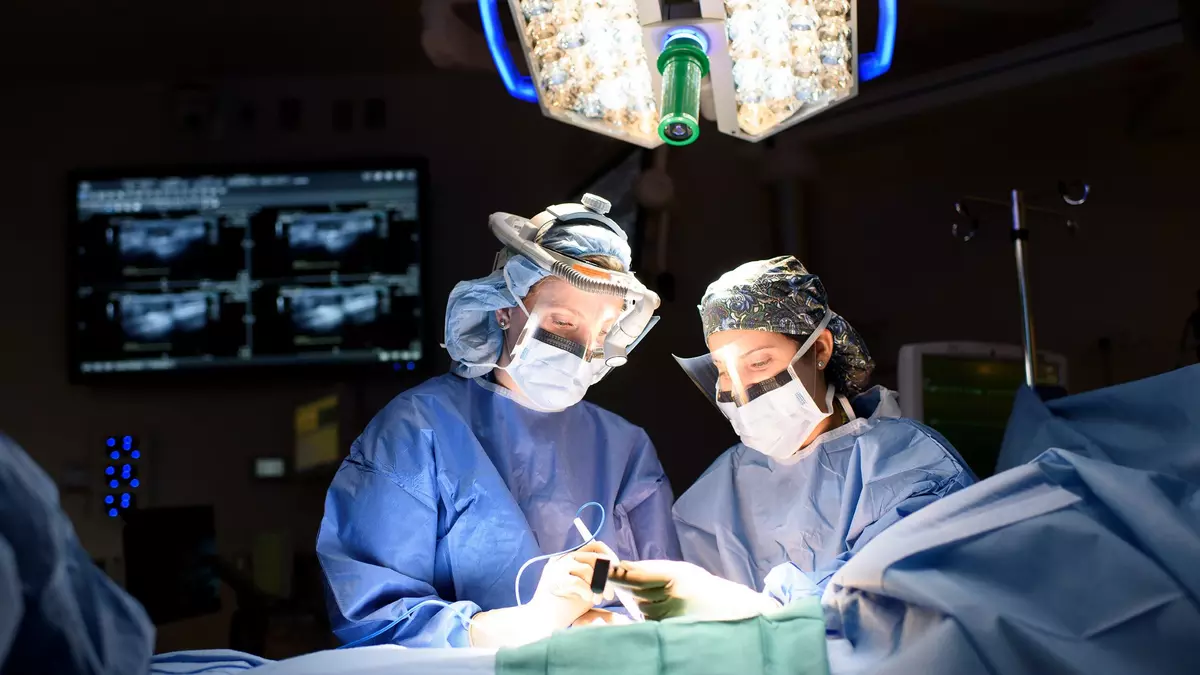

Breast cancer surgery is a common part of treatment for breast cancer. It may be performed to remove cancer from the breast, assess nearby lymph nodes, reduce the chance of cancer remaining in the breast area, or support the overall treatment plan.
The type of surgery depends on several factors, including the size and location of the cancer, whether there are several areas involved, lymph node findings, breast size, general health, genetic risk, imaging results, and patient preference. Some patients may also need radiotherapy, chemotherapy, hormone therapy, targeted therapy, or other treatment before or after surgery.
What Is Breast Cancer Surgery?
Breast cancer surgery refers to an operation to remove cancerous breast tissue. It may involve removing part of the breast or the whole breast, depending on the diagnosis and treatment plan.
Surgery may also include assessment or removal of lymph nodes under the arm. Lymph node information helps the care team understand whether cancer cells have spread beyond the breast and whether additional treatment may be needed.
Breast cancer surgery is planned based on clinical examination, breast imaging, biopsy results, cancer type, cancer stage, and discussion between the patient and treatment team.
When Is Breast Cancer Surgery Considered?
Breast cancer surgery may be considered after breast cancer is confirmed through imaging and biopsy. In some cases, surgery is the initial treatment. In others, medication-based treatment may be given before surgery to reduce tumour size or address cancer biology.
Surgery may be discussed when:
- A breast cancer diagnosis has been confirmed
- Imaging shows a tumour that can be removed surgically
- Lymph node assessment is needed
- Breast-conserving surgery is suitable
- Mastectomy is recommended based on the cancer pattern
- Surgery is part of a wider treatment plan
- Reconstruction is being considered after mastectomy
- The patient has discussed treatment options and preferences with the care team
The timing of surgery depends on diagnosis, staging, general health, treatment sequence, and whether additional scans or pre-surgery assessments are needed.
Types of Breast Cancer Surgery
Breast cancer surgery may involve breast-conserving surgery, mastectomy, lymph node surgery, or reconstruction. Some patients may have a combination of procedures during the same operation.
1. Breast-Conserving Surgery
Breast-conserving surgery is also known as lumpectomy, wide local excision, or partial mastectomy. It involves removing the cancer together with a rim of surrounding tissue while keeping the rest of the breast.
This option may be considered when the cancer is suitable for removal with acceptable breast shape after surgery. Radiotherapy is often recommended after breast-conserving surgery to reduce the risk of cancer returning in the treated breast.
The breast surgeon may discuss:
- Size of the tumour
- Location of the tumour
- Breast size and shape
- Whether clear margins are likely
- Whether radiotherapy is expected after surgery
- Whether oncoplastic techniques may be suitable
- Whether further surgery may be needed if margins are not clear
Breast-conserving surgery is not suitable for every patient. Suitability depends on cancer features and treatment goals.
2. Mastectomy
Mastectomy involves removing the breast tissue. It may be recommended when breast-conserving surgery is not suitable or when a patient chooses this approach after discussion with the surgeon.
Mastectomy may be considered if:
- The cancer is large relative to breast size
- There are multiple cancer areas in the breast
- There are widespread abnormal findings
- Clear margins may be difficult with breast-conserving surgery
- Radiotherapy may not be suitable in some cases
- There is a strong genetic risk or other risk-related concern
- The patient prefers mastectomy after understanding the options
Different mastectomy approaches may be discussed depending on cancer location, skin involvement, nipple involvement, reconstruction planning, and patient factors.
3. Sentinel Lymph Node Biopsy
Sentinel lymph node biopsy is a procedure used to assess whether cancer has spread to selected lymph nodes under the arm. The sentinel lymph nodes are the initial lymph nodes that drain fluid from the breast area.
During the procedure, a tracer or dye may be used to help identify the sentinel nodes. These nodes are removed and examined.
The results may help guide:
- Cancer staging
- Whether additional lymph node treatment is needed
- Whether radiotherapy may be recommended
- Whether medication-based treatment may be considered
Sentinel lymph node biopsy may be performed during breast surgery or as a separate procedure, depending on the treatment plan.
4. Axillary Lymph Node Dissection
Axillary lymph node dissection involves removing a group of lymph nodes from the underarm area. It may be considered if cancer is found in lymph nodes or if the lymph node disease pattern requires this approach.
This procedure may carry a risk of arm swelling, shoulder stiffness, numbness, or reduced arm movement. Patients should ask about lymphoedema risk, arm care, physiotherapy, and symptoms that should prompt review after surgery.
5. Oncoplastic Breast Surgery
Oncoplastic breast surgery combines cancer removal with breast reshaping techniques. It may be discussed when breast-conserving surgery is planned and reshaping is needed to support breast contour after tissue removal.
This approach depends on tumour location, breast size, extent of removal, and patient preference. The surgeon can explain whether it is suitable and whether surgery on the other breast is being considered for balance.
6. Breast Reconstruction
Breast reconstruction may be discussed for patients having mastectomy. Reconstruction may be done at the same time as mastectomy or at a later date.
Reconstruction options may include:
- Implant-based reconstruction
- Tissue-based reconstruction using the patient’s own tissue
- A combination of techniques
- No reconstruction, with or without an external breast form
The choice depends on patient preference, cancer treatment plan, radiotherapy needs, body shape, general health, smoking status, wound healing factors, and surgical suitability.
Some patients prefer reconstruction, while others prefer not to have it. Both choices should be discussed in a supportive and factual manner.
How Is the Type of Surgery Chosen?
The recommended surgery depends on cancer and patient-related factors.
Factors may include:
- Tumour size
- Tumour location
- Whether there is one area or several areas of cancer
- Breast size and shape
- Imaging findings
- Biopsy results
- Cancer receptor status
- Lymph node findings
- Genetic risk
- Previous breast treatment
- Suitability for radiotherapy
- General health
- Patient preferences
- Reconstruction plans
Patients should ask the surgeon to explain why a specific operation is recommended and whether other options are suitable.
What Happens Before Breast Cancer Surgery?
Before surgery, patients may need several assessments to plan treatment safely.
Preparation may include:
- Review of breast imaging
- Biopsy result discussion
- Staging tests where needed
- Blood tests
- Anaesthesia review
- Medication review
- Discussion of allergies and medical conditions
- Marking of the surgical site
- Discussion of fasting instructions
- Discussion of hospital admission or day surgery
- Financial counselling or insurance checks
- Consent discussion
Patients should inform the doctor about medication, supplements, blood-thinning medication, allergies, previous anaesthesia issues, smoking, pregnancy, and existing medical conditions.
What to Ask Before Surgery
Before breast cancer surgery, patients may wish to ask:
- What type of surgery is recommended?
- Why is this option suitable for my case?
- Are there other surgical options?
- Will I need lymph node surgery?
- What are the possible risks?
- Will I need radiotherapy after surgery?
- Will I need chemotherapy, hormone therapy, or targeted therapy?
- Is reconstruction suitable for me?
- How long will I stay in hospital?
- How long may recovery take?
- Will I need a drain after surgery?
- When can I shower, drive, work, or exercise?
- Will I need physiotherapy?
- What symptoms after surgery should prompt review?
- What costs should I expect?
- Can insurance or MediSave apply?
These questions can help patients understand the procedure and prepare for recovery.
What Happens on the Day of Surgery?
The surgical process depends on the planned procedure and hospital arrangement. Patients may be admitted on the day of surgery or earlier, depending on the case.
On the day of surgery, patients may expect:
- Registration or admission
- Confirmation of identity and procedure
- Review of consent
- Surgical site marking
- Anaesthesia review
- Fasting status check
- Medication review
- Transfer to the operating theatre
- Recovery monitoring after surgery
If sentinel lymph node biopsy is planned, mapping may be arranged before or during surgery depending on the hospital process.
What to Expect After Surgery
After surgery, patients are monitored as they wake from anaesthesia. Pain control, wound care, arm movement, drains, and discharge planning will be discussed.
Patients may experience:
- Wound discomfort
- Swelling or bruising
- Tightness around the chest or underarm
- Numbness around the wound or inner arm
- Reduced shoulder movement at the beginning
- Tiredness
- Fluid drainage if a drain is placed
The recovery pattern depends on whether the patient had breast-conserving surgery, mastectomy, lymph node surgery, reconstruction, or combined procedures.
Wound Care and Drain Care
Patients should follow the wound care instructions given by the surgical team. Some wounds may have waterproof dressings, while others may need specific care.
If a drain is placed, patients may be taught how to measure and manage the fluid. The drain is usually removed when output reduces to a suitable level, based on the surgeon’s instructions.
Patients should ask:
- Can the wound get wet?
- When can I shower?
- How should I care for the drain?
- When will the drain be removed?
- When will stitches or dressings be reviewed?
- Who should I contact if there is bleeding or discharge?
Arm Movement and Physiotherapy
Shoulder and arm movement may feel restricted after breast or lymph node surgery. Gentle exercises may be recommended to reduce stiffness and support recovery.
Patients should ask when to begin arm exercises and whether physiotherapy is needed. This is especially relevant after lymph node surgery, mastectomy, or reconstruction.
Patients should also ask about lymphoedema precautions if lymph nodes are removed. Lymphoedema refers to swelling that can occur when lymph drainage from the arm is affected.
Possible Risks and Complications
All surgery carries risks. The risk profile depends on the procedure, general health, cancer treatment plan, and healing factors.
Possible risks may include:
- Bleeding
- Infection
- Pain
- Bruising
- Fluid collection
- Delayed wound healing
- Scarring
- Numbness
- Shoulder stiffness
- Arm swelling
- Lymphoedema after lymph node surgery
- Changes in breast shape or sensation
- Need for further surgery if margins need re-excision
- Anaesthesia-related risks
Patients should ask the surgeon about risks that apply to their specific operation.
When to Seek Medical Advice After Surgery
Patients should contact their care team if they notice:
- Fever
- Increasing wound redness
- Pus or discharge
- Bleeding that does not settle
- Worsening swelling
- Increasing pain
- Sudden shortness of breath
- Chest pain
- Arm swelling
- Drain problems
- Wound opening
- Severe shoulder stiffness
- Calf pain or swelling
For chest pain, breathing difficulty, fainting, or severe bleeding, urgent medical care may be needed.
What Happens After the Surgery Results?
After surgery, the removed tissue is examined in a laboratory. The pathology report may include information on tumour size, type, grade, margins, lymph nodes, and receptor status.
The results help the care team discuss whether additional treatment may be recommended. This may include:
- Radiotherapy
- Chemotherapy
- Hormone therapy
- Targeted therapy
- Further surgery in selected cases
- Follow-up imaging and clinic review
Patients should ask when pathology results will be available and how they will be discussed.
Recovery and Return to Daily Activities
Recovery varies from patient to patient. The timeline depends on the type of surgery, lymph node procedure, reconstruction, pain control, wound healing, and additional treatment.
Patients may need guidance on:
- Showering
- Driving
- Returning to work
- Lifting and carrying
- Exercise
- Sleeping position
- Arm movements
- Wearing a bra or support garment
- Drain care
- Follow-up appointments
Patients should avoid rushing back into strenuous activity before medical review.
Costs, Insurance, and MediSave in Singapore
Breast cancer surgery costs in Singapore can vary depending on the procedure, hospital setting, ward type, surgeon’s fees, anaesthetist’s fees, pathology tests, implants or reconstruction materials, medication, length of stay, and follow-up care.
Patients may ask:
- What is the estimated cost of surgery?
- What does the estimate include?
- Are surgeon, anaesthetist, hospital, pathology, implant, and medication fees billed separately?
- Can MediSave be used for eligible procedures?
- Can MediShield Life or an Integrated Shield Plan apply?
- Is insurer pre-authorisation needed?
- Is the doctor or hospital on my insurer’s panel?
- What out-of-pocket payment should I expect?
Patients should check directly with the clinic, hospital, and insurer before surgery.
Emotional Support and Practical Planning
Breast cancer surgery can affect physical health, body image, sleep, work, caregiving, and emotional well-being. Patients may benefit from discussing concerns with the care team, family, or counsellor.
Practical planning may include:
- Arranging transport after surgery
- Preparing loose clothing
- Planning time off work
- Arranging help at home
- Preparing wound care supplies
- Asking about drain management
- Planning follow-up visits
- Asking about support groups or counselling
Patients should tell their care team if they feel overwhelmed, anxious, or uncertain about treatment decisions.
Breast cancer surgery may involve breast-conserving surgery, mastectomy, lymph node surgery, oncoplastic surgery, or breast reconstruction. The recommended approach depends on cancer features, imaging, biopsy results, lymph node findings, general health, treatment plan, and patient preference.
Patients should understand why a procedure is recommended, what alternatives may be available, what risks apply, and what recovery may involve. Pathology results after surgery help guide whether further treatment is needed.
Patients in Singapore should also ask about costs, insurance, MediSave eligibility, hospital arrangements, follow-up care, and support services before treatment.
This article is for general information only and should not replace medical advice from a qualified healthcare professional.
FAQ
What are the common types of breast cancer surgery?
Common types include breast-conserving surgery, mastectomy, sentinel lymph node biopsy, axillary lymph node dissection, oncoplastic breast surgery, and breast reconstruction.
What is the difference between lumpectomy and mastectomy?
Lumpectomy removes the cancer and a rim of surrounding tissue while keeping the rest of the breast. Mastectomy removes the breast tissue. Suitability depends on cancer features and patient factors.
Will I need lymph node surgery?
Some patients need lymph node assessment to check whether cancer cells have spread to underarm lymph nodes. This may involve sentinel lymph node biopsy or axillary lymph node dissection.
Will I need radiotherapy after breast cancer surgery?
Radiotherapy may be recommended after breast-conserving surgery and in selected cases after mastectomy. The need depends on cancer features and surgery results.
Can breast reconstruction be done after mastectomy?
Breast reconstruction may be done at the same time as mastectomy or at a later date, depending on cancer treatment plans, suitability, and patient preference.
How long does recovery after breast cancer surgery take?
Recovery depends on the type of surgery, lymph node procedure, reconstruction, wound healing, and additional treatment. The surgeon can provide guidance based on the planned procedure.
