

Getting a new set of teeth is a major step for anyone dealing with missing teeth. The journey involves several stages, and the healing period is one of the most important. Patients often have questions about what happens after the surgery. Understanding the recovery process helps set realistic expectations and reduces anxiety. When individuals look into Dental Implants Middlesbrough, they want to know exactly how long it takes to heal and what they will feel along the way. The team at Westmount Dental Surgery on Acklam Road guides patients through every step. This guide explains the typical healing timeline, from the first day after surgery to the final placement of the permanent teeth. Knowing what to expect makes the entire experience much easier.
The Immediate Aftermath: The First 48 to 72 Hours
The first few days after surgery are when the body begins its initial response to the procedure. Patients will spend some time resting at home. It is completely normal to experience some swelling around the gums and cheeks. Minor bruising on the skin near the surgical site can also occur. The dental team usually provides a specific care plan to manage these early symptoms. Applying an ice pack to the outside of the face for short intervals helps reduce swelling.
Bleeding is another common occurrence in the first day. A small amount of oozing from the gums is expected. The dentist advises patients to bite down gently on a piece of sterile gauze to control this. Changing the gauze regularly keeps the area clean. Pain levels vary from person to person. Most individuals find that over-the-counter pain relief, or medication prescribed by the dentist, keeps discomfort under control. Resting with the head elevated on a few pillows prevents blood from pooling in the head, which reduces throbbing. During this initial window, patients should avoid rinsing their mouths vigorously. Spitting or using a straw creates suction that can disturb the blood clot forming in the socket. Protecting this clot is essential for proper healing. Those pursuing Dental Implants Middlesbrough should plan to take it easy for at least two to three days following the surgery.
The First Week: Soft Tissue Healing
As the first week progresses, the soft tissues in the mouth start to close over the surgical sites. The gums will begin to heal and form a tight seal around the implant posts. Swelling and bruising typically reach their highest point around the third day and then start to decrease. Patients might notice a slight change in the color of the skin around the cheeks as the bruising heals, turning from purple to yellow before disappearing completely.
Diet plays a large role during this week. The jaw needs rest, and the surgical sites need protection. Eating soft foods is the standard recommendation. Mashed potatoes, yogurt, scrambled eggs, and smooth soups are excellent choices. Foods should be lukewarm rather than hot, as high temperatures can increase swelling or cause bleeding. Crunchy, hard, or spicy foods must be avoided entirely. Chewing should be done on the opposite side of the mouth to keep pressure away from the healing gums.
Oral hygiene remains important, but it requires a gentle approach. Patients should continue to brush their natural teeth but must avoid the surgical areas completely for the first few days. After the initial 48 hours, rinsing with a warm saltwater solution or a prescribed antimicrobial mouthwash helps keep the mouth clean. This simple rinse should be done gently, letting the water fall out of the mouth into the sink rather than spitting forcefully. Proper care for Dental Implants Middlesbrough during this first week creates the base for a healthy recovery.
The Crucial Phase: Osseointegration
Once the gums have healed, the most critical phase of the process begins. This phase is called osseointegration. It is a biological process where the jawbone grows around the titanium implant post and fuses with it. This fusion is what gives the implant its strength and stability. Without osseointegration, the implant would not be able to support a crown or a dental bridge.
This phase takes time. The bone needs months to grow and solidify around the metal post. For the lower jaw, this typically takes about three to four months. The upper jaw has softer bone, so it usually requires five to six months for complete integration. During this time, the implant is completely hidden beneath the gum line. Patients will not feel the implant working. They can go about their normal daily routines, eat a regular diet, and speak without any interference.
The success of Dental Implants Middlesbrough depends heavily on this quiet biological process. Patients must attend their scheduled follow-up appointments so the dental team can monitor the progress. The dentist will take X-rays to ensure the bone is integrating properly. If a patient smokes, this phase is at higher risk. Smoking restricts blood flow to the gums and bone, which can delay healing or cause the implant to fail. Quitting or significantly reducing smoking during this period greatly improves the chances of a successful outcome.
Healing with All-on-4: A Unique Journey
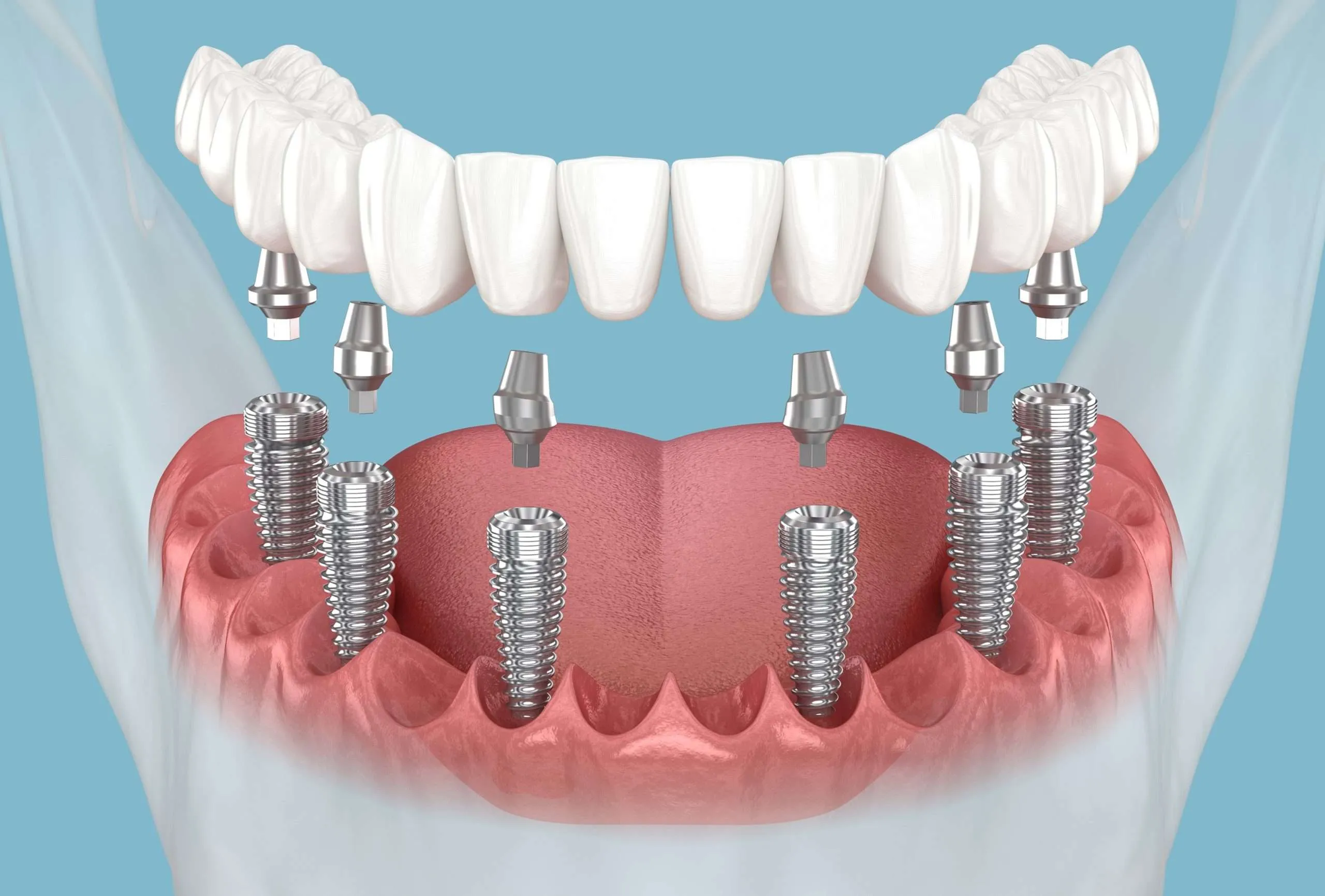
The healing process changes slightly when a patient receives an All-on-4 treatment. This specific technique is designed for individuals who need a full arch of teeth replaced. Instead of placing a single implant for one tooth, the surgeon places four implants to support an entire bridge. Two implants go in the front vertically, and two go in the back at an angle.
One major difference with All-on-4 is immediate loading. In many traditional cases, the implant is left hidden under the gum to heal. With All-on-4, a temporary set of teeth is often attached to the implants on the same day as the surgery. This means the patient leaves the clinic with a full set of teeth. They can smile and speak immediately. However, these temporary teeth are strictly for healing. They are made from a softer acrylic material.
Patients must be very careful with this temporary bridge. They need to eat only soft foods for the first few months while the bone integrates with the four implants. Biting into hard foods like apples or crusty bread can put too much pressure on the healing implants and disrupt the fusion process. For example, a patient might choose to eat mashed potatoes, scrambled eggs, and flaky fish during this period. These foods provide good nutrition without requiring heavy chewing. The temporary teeth also help shape the gums as they heal, creating a natural contour for the final restoration. Individuals choosing All-on-4 Dental Implants Middlesbrough will have a unique recovery where they adapt to a fixed set of temporary teeth before getting the permanent ones.
Managing Discomfort and Knowing When to Call the Dentist
Some level of discomfort is a normal part of any surgical procedure. As the anesthesia wears off, the area will feel tender. This tenderness usually peaks within the first three days and then steadily improves. Swelling and mild bruising are also standard responses. The dental team provides clear instructions on managing these symptoms with ice packs and pain medication.
However, patients need to know the difference between normal healing and potential complications. Infection is a rare but possible risk. Signs of infection include severe pain that does not improve with medication, excessive swelling that gets worse after three days, or a fever. Pus or a bad taste in the mouth can also indicate an infection. If the implant feels loose or moves when touched, this is another warning sign.
The clinic providing Dental Implants Middlesbrough will always give patients a direct contact number for emergencies. If any unusual symptoms arise, the patient should call the clinic immediately. Early intervention can resolve minor issues before they become major problems. The dental team is trained to handle post-operative concerns and will arrange an urgent appointment if necessary.
The Final Stages: Uncovering and Final Restoration
Once the dentist confirms that osseointegration is complete through X-rays, the final stages begin. If the implant was buried under the gum, the dentist performs a minor procedure to uncover it. The dentist makes a small opening in the gum to expose the top of the implant. A healing collar, which is a small metal ring, is placed on the implant. This collar helps the gum heal around the base in a neat, circular shape. This step usually takes about two weeks.
After the gums have healed around the collar, the dentist takes precise impressions of the mouth. The dentist sends these impressions to a dental laboratory, where technicians craft the final crown or bridge. The lab matches the color and shape of the new teeth to the patient’s remaining natural teeth or their facial features.
When the final restoration is ready, the patient returns to the clinic. The healing collar is removed, and an abutment is attached to the implant. The abutment is the connector piece that holds the new tooth. Finally, the permanent crown or bridge is secured onto the abutment. The dentist checks the bite to ensure everything feels comfortable and natural. The final results for Dental Implants Middlesbrough are truly rewarding, as patients get to enjoy a fully restored smile that looks and functions like natural teeth.
Long-Term Healing and Maintenance
The healing process does not end when the final teeth are placed. The bone and gums continue to adapt to the new restoration. One of the greatest benefits of this treatment is that the implants stimulate the jawbone. This stimulation prevents the bone loss that typically occurs when teeth are missing. Maintaining this bone health requires good daily habits.
Patients must brush their new teeth at least twice a day and floss daily. Special floss threaders or water flossers can help clean around the base of the implants. A patient might use a water flosser to clean under the bridge, which easily removes food particles that a regular toothbrush cannot reach. Regular professional cleanings are also mandatory. The dental hygienist will use special instruments that will not scratch the titanium or the porcelain. These visits allow the team to check the health of the gums and the stability of the implants.
Committing to this long-term care ensures the restoration lasts for decades. The team at Westmount Dental Surgery provides ongoing support to keep the smile healthy and bright. By following a simple daily routine and attending regular check-ups, patients can enjoy the full benefits of their new teeth for a lifetime. Regular visits also allow the dental team to catch any minor issues early, ensuring the implants remain stable and functional.
Summary
The journey to a restored smile requires patience and proper care. The initial swelling in the first few days gradually transitions into quiet bone fusion over several months, making every stage vital. Understanding what happens during each phase helps patients feel confident and prepared. With the right guidance and a commitment to good oral hygiene, the healing process is straightforward and comfortable. The end result is a strong, beautiful smile that improves daily life in every way.
