
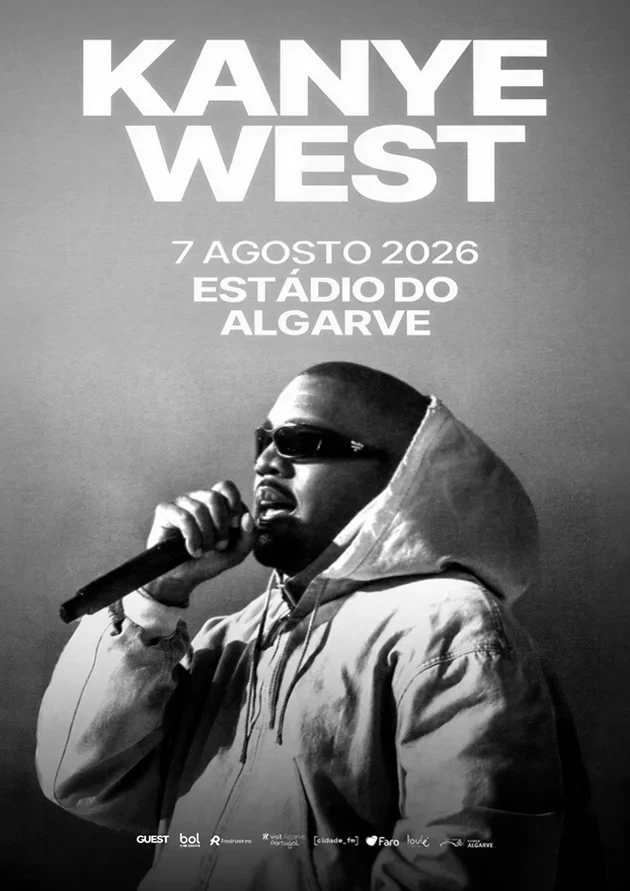

Few figures in modern pop culture have polarized the global consciousness quite like the man born Kanye Omari West. To attempt a neat categorization of his impact is a fool’s errand. He is a producer, a rapper, a fashion designer, a billionaire, a provocateur, and a deeply flawed human being navigating mental illness on the world’s biggest stage. To understand his trajectory is to understand the shifting tectonic plates of music, celebrity culture, and high fashion over the last two decades.
This thematic exploration delves into the multi-faceted eras of his career, examining how an unrelenting drive for perfection and a refusal to be compartmentalized birthed one of the most influential—and controversial—legacies of the 21st century.
The Sonic Architect: Revolutionizing Hip-Hop
Long before he was making international headlines for his political diatribes or fashion week disruptions, West was a student of the Roland TR-808 drum machine and the Ensoniq ASR-10 sampler. His foundational impact on music cannot be overstated; he has repeatedly dismantled the prevailing sound of hip-hop, only to rebuild it in his own image.
The College Dropout Era and the Death of Gangsta Rap
In the early 2000s, mainstream hip-hop was heavily dominated by the “gangsta rap” aesthetic. The culture was defined by hyper-masculinity, tales of street life, and the oversized silhouettes of early-aughts streetwear. West entered the scene in a pink Polo shirt and a backpack.
With his 2004 debut, The College Dropout, he introduced a relatable, middle-class vulnerability to the genre. He rapped about consumerism, religious conflict, and self-consciousness, all laid over his signature “chipmunk soul” production—speeding up classic R&B and soul vocal samples to create entirely new melodic hooks. In doing so, he forcibly expanded the boundaries of what a rapper could look and sound like, effectively paving the way for the alternative and conscious hip-hop movements that followed.
808s & Heartbreak: The Blueprint for Modern Melancholy
If The College Dropout shifted the thematic focus of hip-hop, his 2008 album 808s & Heartbreak entirely rewired its emotional and sonic framework. Reeling from the sudden death of his mother, Donda West, and the collapse of a long-term relationship, West abandoned traditional rapping. Instead, he sang through heavily modulated Auto-Tune over stark, tribal drum machine patterns and icy synthesizers.
At the time, it was wildly divisive. In retrospect, it is widely considered one of the most influential albums of the decade. By weaponizing Auto-Tune not for pitch correction, but to convey a hollow, robotic sense of grief, West laid the blueprint for the next generation of emotionally vulnerable, melody-driven hip-hop artists. Without 808s, the moody, introspective soundscapes of artists like Drake, The Weeknd, and Travis Scott would arguably not exist.
My Beautiful Dark Twisted Fantasy: Maximalism as High Art
Following a period of intense public exile due to his controversial behavior at the 2009 MTV Video Music Awards, West retreated to Hawaii to create what is universally heralded as his magnum opus: My Beautiful Dark Twisted Fantasy (2010).
Here, the theme was maximalism. West flew in dozens of collaborators—from Elton John and Bon Iver to Jay-Z and Nicki Minaj—treating them like instruments in a sprawling, progressive-rap symphony. The album blended the soul-sampling of his early work, the electronic coldness of 808s, and orchestral arrangements to create a project that elevated hip-hop to high art. It was a defiant, unapologetic reminder to the public that despite his massive personal flaws, his sheer musical genius was undeniable.
Beyond the Mic: The Fashion Disruptor
West’s ambitions were never confined to music. He viewed himself not just as a musician, but as a holistic creator. His foray into fashion was initially met with intense skepticism by the European luxury establishment, a barrier he spent years aggressively trying to dismantle.
Yeezy and the Democratization of Luxury Streetwear
While rappers had long had clothing lines, West wasn’t interested in making standard merchandise; he wanted to sit at the table with Ralph Lauren, Balenciaga, and Louis Vuitton. His initial partnership with Nike produced the highly coveted Air Yeezy sneakers, but it was his subsequent, unprecedented deal with Adidas that truly disrupted the industry.
The Yeezy brand introduced a distinct, dystopian aesthetic to mainstream fashion. West popularized earth tones, monochromatic styling, oversized and distressed silhouettes, and the “dad shoe” trend via the chunky Yeezy Boost 700s. He bridged the gap between exclusive high fashion and accessible streetwear, turning the Yeezy sneaker line into a billion-dollar empire and proving that cultural cachet could drive retail at an astronomical scale.
The High Fashion Collision
West’s relentless push into fashion ultimately forced the old guard to adapt. His time interning at Fendi alongside Virgil Abloh in 2009 laid the groundwork for the streetwear revolution that would eventually take over Parisian runways. While West’s own runway shows (the Yeezy Seasons) were often chaotic spectacles, the aesthetic he championed directly influenced the creative directions of the world’s oldest luxury houses. He didn’t just join the fashion world; he actively changed what the world considered fashionable.
The Cult of Personality: Controversy as a Medium
It is impossible to discuss West’s cultural impact without addressing his mastery—and eventual misallocation—of controversy. For much of his career, his erratic public behavior acted as a chaotic marketing engine.
The Live Television Disruptions
From famously declaring “George Bush doesn’t care about black people” on live television during a Hurricane Katrina telethon, to interrupting Taylor Swift at the VMAs, West has always weaponized live broadcasting to force uncomfortable conversations. In his earlier years, these outbursts, while jarring, were often rooted in a recognizable sense of justice or artistic merit. They cemented his reputation as an unfiltered, impulsive truth-teller who refused to play by the polished rules of public relations.
Political Provocation and Alienation
However, as the years progressed, the controversies grew darker and more alienating. His embrace of right-wing political figures, his inflammatory comments regarding slavery on TMZ, and his deeply troubling antisemitic remarks in 2022 marked a devastating shift. The provocations no longer felt like the actions of an artistic renegade challenging the status quo; they felt destructive, offensive, and ultimately led to the collapse of his billionaire status as corporate partners, including Adidas and Gap, severed ties.
The Intersection of Mental Health and Hyper-Visibility
The darkest and most complex theme of West’s public life is his battle with mental illness, unfolding under the microscopic scrutiny of the global media.
Bipolar Disorder in the Public Eye
In 2018, with the release of his album Ye, West publicly confirmed his diagnosis of bipolar disorder, famously declaring it a “superpower” rather than a disability on the album’s cover. The media’s handling of West’s mental health has been fraught with ethical dilemmas. During his severe manic episodes—which often manifest as sprawling Twitter rants, tearful political rallies, or paranoid public accusations against his own family—the public is caught between viewing him as a spectacle for entertainment and recognizing him as a man in the throes of a serious medical crisis.
The Cost of Unfiltered Expression
West’s situation highlights the tragic paradox of the “tortured genius” trope. The same neurological wiring that allows him to see musical connections others miss, and gives him the audacious confidence to build empires, is inextricably linked to the impulsivity and paranoia that have derailed his life. His refusal to consistently seek conventional treatment, coupled with an environment of “yes-men” that often surrounds immense wealth, has shown the terrifying cost of living a completely unfiltered existence in the modern digital age.
The Enduring, Complicated Legacy
How does history categorize a figure of such extreme duality? As an artist, his discography stands as one of the most critically acclaimed and sonically diverse catalogs in the history of recorded music. He fundamentally altered the sound, look, and emotional resonance of a genre that defines global youth culture.
A Mirror to Modern Celebrity Culture
Ultimately, Kanye West operates as a funhouse mirror reflecting the chaotic nature of 21st-century celebrity. He exposed the limits of “cancel culture,” proving for years that undeniable artistic output could outrun almost any public relations disaster—until it couldn’t.
His story is a modern American tragedy and triumph woven together. It is a testament to the power of self-belief and visionary art, while simultaneously serving as a grim cautionary tale about the corrosive effects of unchecked ego, untreated mental illness, and the isolating nature of absolute fame. The culture cannot un-hear the music he made, nor can it un-see the damage he has wrought, leaving behind a legacy that will be debated, dissected, and studied long after the final beat drops.
