
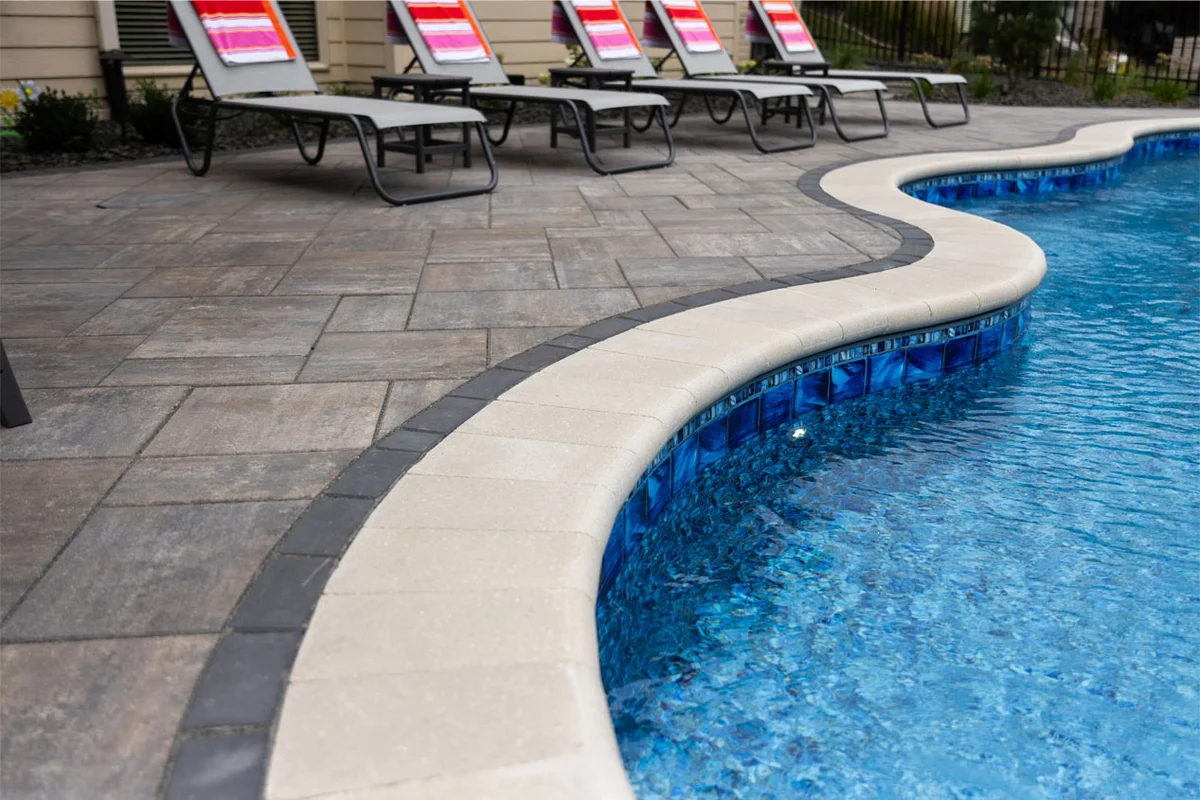

A swimming pool is more than just water and tiles. Every part of the pool works together to keep it safe, strong, and long-lasting. One of the most important parts is the Pool Edge Coping. This is the protective cap that sits around the top edge of the pool wall. It helps seal the pool border, protects the shell, and gives the pool a clean finished look.
Over time, sun, rain, wind, and pool water can wear down coping materials. Cracks, loose stones, and chipped edges often appear when coping is damaged. If these problems are ignored, water can seep into weak spots and create larger structural issues.
That is why Professional Pool Edge Coping Repair matters. It helps protect pool borders from weather damage, water leaks, and long-term deterioration. In this article, we explain how coping repair works and why it is essential for protecting swimming pool borders.
What Is Pool Edge Coping and Why Is It Important?
Pool Edge Coping is the material placed around the rim of a swimming pool. It forms a border between the pool shell and the deck surface.
This layer serves both practical and visual purposes.
How Pool Coping Protects Pool Borders
Coping acts like a shield. It blocks water from reaching the pool’s inner structure and keeps moisture away from the pool wall edges.
Without strong coping, water can seep into cracks and weaken the surrounding materials.
Common Materials Used for Pool Coping
Popular coping materials include:
- Natural stone
- Concrete coping
- Brick coping
- Pavers
- Precast stone edges
Each material offers different levels of strength and weather resistance.
Why Coping Is Critical for Pool Durability
Coping protects the top beam of the pool shell. This prevents cracking, erosion, and border collapse over time.
How Water Damage Affects Pool Borders
Water is one of the biggest threats to pool structures.
Water Seepage Causes Structural Weakness
When coping cracks, water enters small openings and reaches deeper layers.
This can weaken:
- Pool shell edges
- Mortar joints
- Deck foundations
Over time, these hidden leaks become expensive structural repairs.
Standing Water Creates Erosion Problems
Poor coping allows water to collect near pool borders. Standing moisture slowly wears down concrete and stone materials.
Freeze and Thaw Cycles Make Cracks Worse
In colder weather, trapped water freezes and expands inside cracks. This makes coping damage spread faster.
How Weather Exposure Damages Pool Edge Coping
Outdoor pools face constant weather stress.
Sun Exposure Weakens Coping Surfaces
Strong UV rays dry out materials and fade finishes. Over time, sun damage causes brittleness and cracking.
Rainwater Penetrates Small Surface Cracks
Rain enters damaged coping joints and softens bonding materials.
Wind Carries Dirt and Debris Into Weak Areas
Dust and debris can settle into cracks, causing abrasion and widening damaged sections.
Temperature Changes Cause Expansion and Shrinking
Heat makes coping expand. Cold weather causes shrinking. Repeated movement creates pressure fractures.
Common Signs You Need Professional Pool Edge Coping Repair
Early warning signs should never be ignored.
Visible Cracks Along Pool Borders
Cracks are often the first sign that coping needs repair.
Loose or Moving Coping Stones
If stones shift under pressure, the bonding layer may be failing.
Chipped or Broken Edges
Broken corners weaken the protective barrier around the pool.
Water Leaks Around Pool Perimeter
Unexpected damp spots near the pool deck may signal coping failure.
How Professional Pool Edge Coping Repair Works
Repairing coping is a detailed process that restores both safety and appearance.
Inspection of Damaged Coping Areas
Professionals Pool Coping repair begin by checking all coping sections for:
- Surface cracks
- Loose joints
- Water damage
- Structural movement
This helps identify visible and hidden issues.
Removal of Broken or Loose Coping Pieces
Damaged sections are carefully removed without harming nearby pool surfaces.
Surface Preparation and Cleaning
The repair area is cleaned to remove dirt, debris, and loose mortar before new material is installed.
Replacement and Rebonding of Coping Materials
New coping stones or repaired pieces are installed securely with fresh bonding compounds.
Sealing Joints Against Future Water Damage
Protective sealants are applied to prevent moisture intrusion.
Why Professional Repair Is Better Than DIY Fixes
Some pool owners try temporary repairs, but professional service offers stronger results.
Experts Identify Hidden Structural Problems
Surface cracks may hide deeper damage beneath the coping.
Proper Materials Improve Long-Term Protection
Professionals use weather-resistant materials designed for pool environments.
Accurate Installation Prevents Future Leaks
Correct alignment and sealing reduce the chance of repeat failures.
Benefits of Professional Pool Edge Coping Repair
Professional repairs offer many long-term advantages.
Protects Pool Borders from Water Penetration
Sealed coping blocks moisture from entering vulnerable pool edges.
Extends Pool Lifespan
Strong coping helps preserve the pool shell and surrounding deck structure.
Improves Swimmer Safety
Loose or broken coping can create sharp edges and tripping hazards.
Restores Pool Appearance
Fresh repaired coping improves the look of the entire pool area.
How Coping Repair Prevents Expensive Future Repairs
Small coping problems can lead to major structural costs if ignored.
Stops Minor Cracks from Becoming Major Damage
Early repair prevents crack spreading.
Protects Deck Foundations
Water leaks near coping can weaken nearby deck slabs.
Prevents Pool Shell Erosion
Strong coping shields the upper shell from moisture breakdown.
When to Repair Versus Replace Pool Coping
Not all damage requires full replacement.
Repair Is Best for Minor Localized Damage
Small cracks, loose stones, and isolated chips can often be repaired.
Replacement May Be Needed for Widespread Damage
If large areas are cracked or shifting, full coping replacement may be safer.
Professional Assessment Determines Best Option
Experts evaluate the extent of damage before recommending solutions.
How Regular Maintenance Helps Protect Pool Coping
Routine care reduces future repair costs.
Inspect Coping Seasonally
Check for cracks and loose edges every few months.
Keep Coping Clean and Debris-Free
Remove dirt buildup before it enters joints.
Reseal Protective Surfaces Periodically
Sealants wear out over time and should be refreshed.
Address Small Damage Immediately
Fast repairs stop water intrusion early.
Conclusion
Professional Pool Edge Coping Repair plays a major role in protecting pool borders from water and weather damage. Strong coping prevents leaks, blocks moisture intrusion, and shields the pool shell from erosion caused by sun, rain, freezing temperatures, and daily wear.
When cracks, loose stones, or damaged joints appear, timely professional repair helps restore safety, preserve appearance, and prevent costly structural damage later. By maintaining healthy coping around pool edges, pool owners protect both the beauty and long-term strength of their swimming pools.
In the end, coping repair is not just cosmetic—it is essential protection for the entire pool system.
