
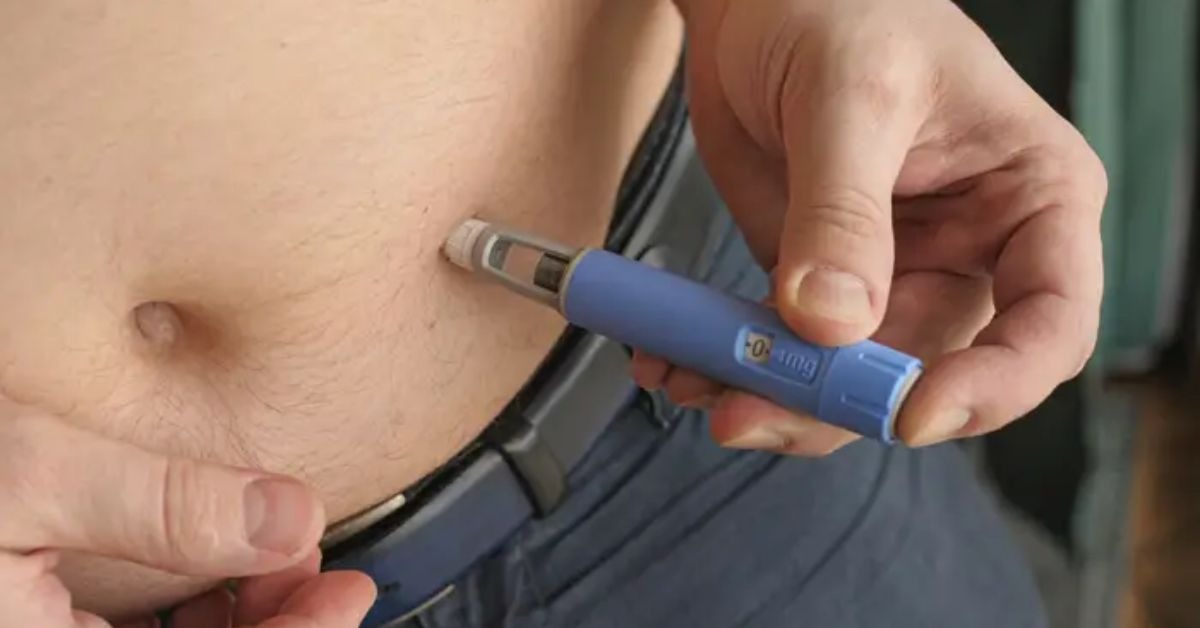

If you are starting Zepbound, one of the first things you likely want to know is how long does it take to lose weight on Zepbound and when the results will actually start showing. While some people expect fast changes, the reality is that Zepbound works in a gradual, controlled way by adjusting appetite signals, digestion speed, and how the body responds to food.
With structured support from FitRx, many users understand this journey more clearly because weight loss with Zepbound is not just about medication response but also about building consistent habits that match changing appetite levels. The process begins inside the body quickly, but visible results take time and develop step by step.
What Happens in the Body After Starting Zepbound
Zepbound (tirzepatide) starts working by interacting with hormones that regulate hunger and blood sugar balance. These signals communicate with the brain to reduce appetite and with the stomach to slow digestion, which increases fullness after meals.
In the early phase, these changes are subtle. You may notice you feel full a little faster or think about food less often, but the scale does not usually move much yet. The body is still adjusting to new hormonal signals, which takes time.
Users tracking progress through FitRx often recognize these early shifts more clearly because small changes in appetite and portion size become easier to observe when patterns are recorded consistently.
Early Weeks: When Changes Start Quietly
During the first one to two weeks, Zepbound is active in the body, but results are mostly internal. Appetite may begin to decrease slightly, and cravings may not feel as intense as before. Some meals may naturally become smaller without effort.
By week three or four, the effects become more noticeable. Snacking often reduces, and fullness after meals lasts longer. This is usually the stage where people realize the medication is starting to influence eating behavior.
FitRx helps many users understand that this phase is progress even when visible weight loss is still limited, which helps avoid discouragement early on.
When Weight Loss Typically Becomes Noticeable
Most people begin seeing visible changes between four and eight weeks. This is when reduced appetite consistently leads to lower calorie intake, which starts reflecting on the scale.
The timing can vary depending on dosage progression and lifestyle habits. Since Zepbound is introduced gradually, stronger appetite control builds over time, which means results also strengthen with continued use.
At this stage, many users notice clothing fitting differently or reduced bloating even before large scale changes appear.
First Few Months: Building Real Momentum
Between the second and third month, weight loss becomes more consistent. Appetite control is usually stronger, cravings are less frequent, and eating patterns feel more stable.
This is where Zepbound starts showing clearer physical changes. Weight loss is not sudden but steady, which makes it easier for the body to adapt without major fluctuations.
Tracking through FitRx during this phase helps users stay aware of gradual progress rather than focusing only on weekly scale changes, which often vary.
Longer Timeline: Three to Six Months and Beyond
By the time users reach three to six months, results become more visible and stable. Many experience meaningful weight reduction along with improved control over food intake.
Eating behavior also becomes more structured naturally. Meals feel more balanced, portion sizes stay smaller, and cravings are significantly reduced.
Beyond six months, progress often continues at a slower but steady pace, depending on consistency and lifestyle habits. This long-term approach is what makes Zepbound more sustainable compared to rapid weight loss methods.
Why Zepbound Works Gradually Instead of Fast
Zepbound is designed to change how the body responds to hunger rather than force immediate weight loss. It slowly adjusts brain signaling related to appetite and improves how the digestive system processes food.
This gradual shift allows the body to adapt safely. Fast weight loss can be difficult to maintain, while steady changes are more likely to last long term.
With structured monitoring through FitRx, users can stay focused on consistent improvement rather than short-term fluctuations.
What Can Influence Your Results Timeline
The speed of weight loss on Zepbound depends on several factors, including dosage progression, eating habits, activity levels, and metabolism. Since every body responds differently, timelines are not identical for everyone.
People who maintain balanced nutrition and avoid frequent high-calorie meals usually see more consistent progress. On the other hand, irregular habits may slow visible results even when the medication is active.
Tracking daily habits through FitRx makes it easier to identify what supports progress and what delays it.
Adjustment Phase and Early Side Effects
In the early stage, some individuals experience mild side effects of zepbound such as nausea, constipation, or bloating. These occur because digestion slows and appetite signals are changing.
Most of these effects are temporary and improve as the body adjusts. Smaller meals, hydration, and slower eating often help reduce discomfort during this phase.
FitRx helps users monitor these changes and understand whether symptoms are improving over time, which supports smoother adjustment.
Conclusion
Understanding how long it takes to lose weight on Zepbound can help set realistic expectations and prevent frustration during the early stages of treatment. While appetite changes often begin within the first few weeks, visible weight loss typically becomes noticeable between four and eight weeks and continues to build over several months.
The Zepbound results timeline varies for every individual, but most users experience gradual improvements that become increasingly noticeable with continued use and consistent habits.
Through prescription weight loss programs for lasting results by FitRx, individuals can better understand their progress, monitor changes over time, and develop sustainable routines that support long-term success.
FAQs
1. How long does it take to lose weight on Zepbound?
Most people notice initial weight loss within four to eight weeks, with stronger results over time.
2. What is the Zepbound results timeline?
Early appetite changes appear in the first weeks, followed by visible weight loss after one to three months.
3. Why is weight loss slow on Zepbound at first?
The medication is introduced gradually and works by slowly adjusting appetite hormones.
4. How much weight can be lost on Zepbound?
Results vary, but steady weight loss typically builds over several months with consistent use.
5. How does FitRx help during Zepbound treatment?
FitRx helps track progress, monitor eating patterns, and maintain consistent habits throughout the journey.
