

Introduction
Across Canada, the steel shipping container has moved far beyond the docks where it was born. Farms, construction sites, and businesses now rely on these rugged steel boxes for secure, weatherproof storage that can be delivered anywhere a truck can reach. For many operators the appeal is simple, since a container provides a large, lockable, weatherproof space at a single location with no foundation to pour and no building to raise. The same unit can be sold on or relocated when needs change, which makes it a flexible asset rather than a fixed cost. Understanding how a container is built, and what the common sizes mean, helps a buyer judge whether one suits the job at hand rather than guessing from the outside.
How a Container Is Built
A steel shipping container is engineered to survive years at sea, stacked nine high and battered by salt spray. Its walls are formed from corrugated steel, where the folded profile adds enormous stiffness to a thin sheet, much as a folded sheet of paper resists bending far better than a flat one. Heavy corner castings carry the load when containers are stacked or lifted, and the whole structure is built to a recognised international standard so that any crane or truck can handle it.
Understanding the High Cube
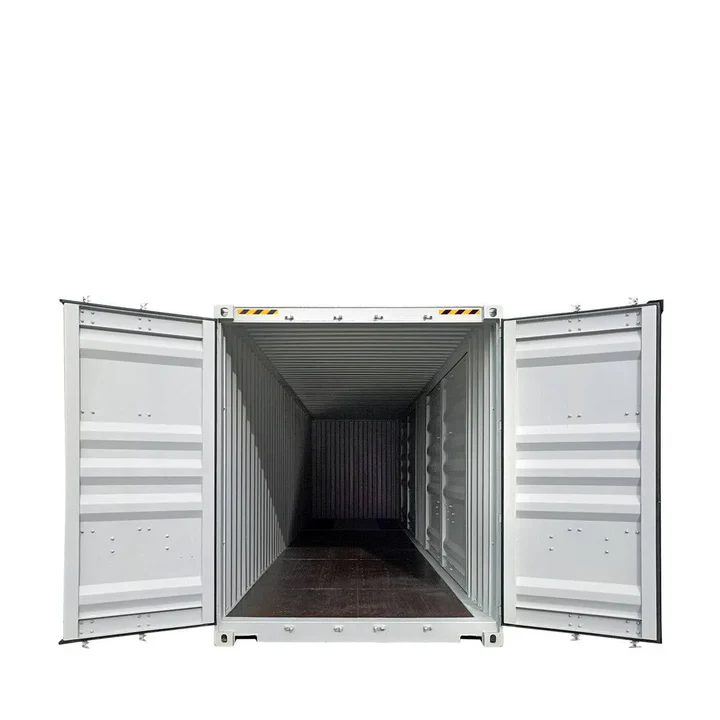
Containers come in standard heights and a taller version known as the high cube, which adds roughly a foot of interior height. That extra headroom matters more than it sounds. It allows taller equipment to fit, leaves room for shelving and a working aisle, and makes a converted container far more comfortable to stand and move around in. A forty foot high cube offers a generous, column-free space in a single delivered unit.
Security and Weather Protection
The same steel that protects cargo at sea protects stored goods on land. A well specified container resists break-ins, especially when fitted with lock boxes that shield the padlock from bolt cutters. The sealed structure keeps out rain and snow, though a few habits keep the interior dry and usable:
· Place the container on level blocks or a pad so doors align and water drains away.
· Allow airflow and consider vents to limit condensation in changing temperatures.
· Keep door seals clean and the locking gear lightly greased against winter ice.
Versatile Applications
A container’s strength and portability suit a wide range of uses. On a farm it shelters tools, feed, and machinery from the weather and from pests. On a construction site it secures materials overnight. Businesses use containers for overflow stock, and side-opening models give easy access to the full length of the load. The same box that stores goods one year can be relocated to a new site the next. This adaptability is a large part of the container’s enduring value, since one unit may change roles many times over its long life, beginning as a tool store, serving later as a secure workshop, and finishing as overflow storage. Each change happens without the cost or commitment of a permanent building, which is why a container so often proves cheaper over its lifetime than the alternatives it replaces.
Advantages and Limitations
A shipping container brings clear strengths, with limits worth respecting:
· It is exceptionally strong, secure, weatherproof, and portable, arriving ready to use.
· It is heavy and needs a level base and machinery to place, and it benefits from ventilation to manage condensation.
Industry Outlook
As demand for flexible, secure storage grows across Canadian agriculture, construction, and commerce, the shipping container remains one of the most practical answers available. Its durability and standard design mean a quality unit holds its value and usefulness for many years. Those who source a sound container from an established industrial equipment supplier gain dependable, relocatable storage that earns its keep season after season. Buyers do well to match the unit to the task, weighing the height they need, the access a side or end door allows, and the base the container will rest on. A level, well drained pad keeps the doors aligned and the interior dry, so a little planning at the outset ensures the unit delivered is the one the job truly requires.
