
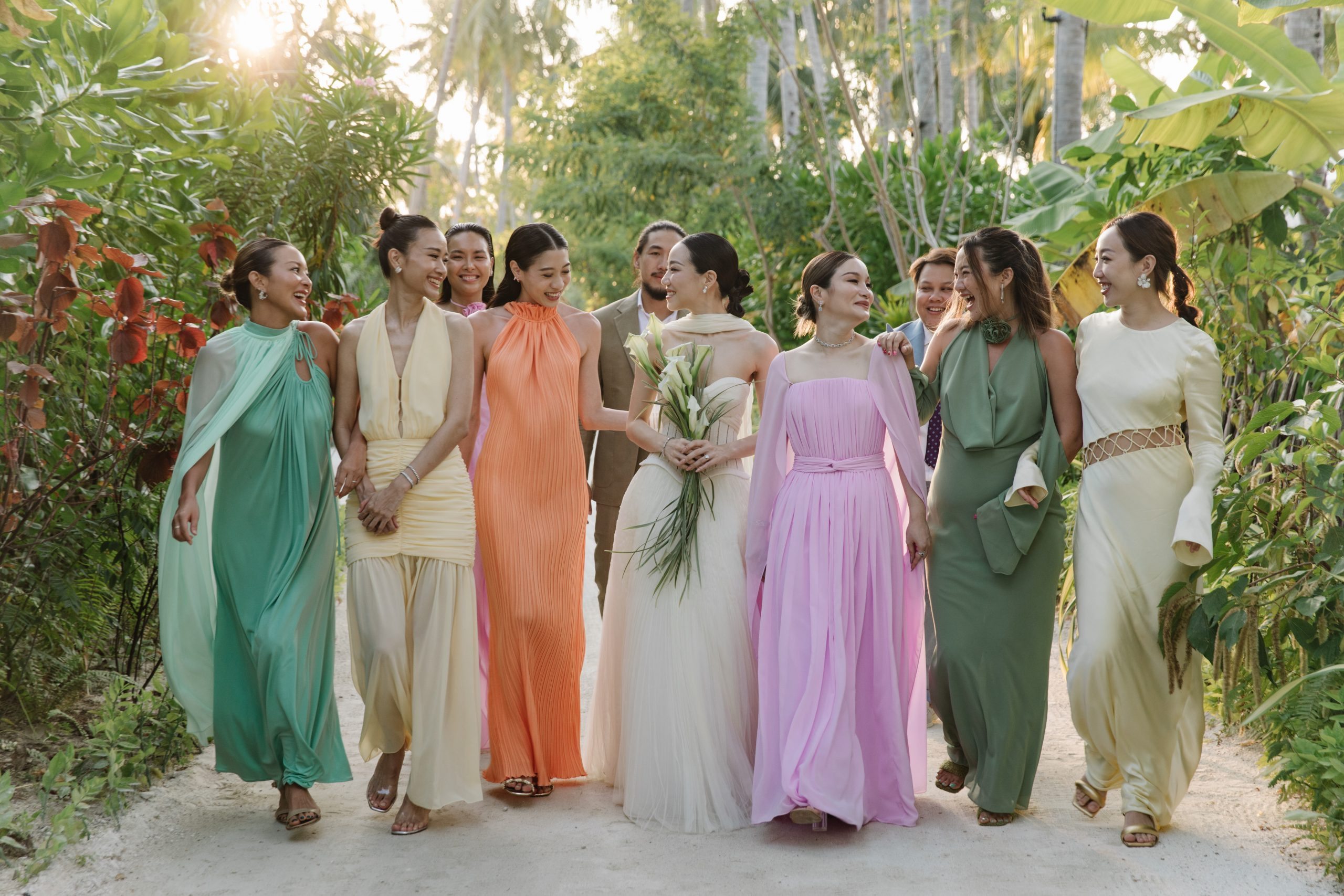

Getting a wedding invitation is exciting, and then almost immediately, the question hits: what am I going to wear? It makes sense. Weddings carry certain expectations, and nobody wants to show up feeling out of place. Whether the couple is doing something intimate and casual or pulling out all the stops with a full black-tie affair, your outfit matters.
The good news is that finding the right wedding guest dresses doesn’t have to be stressful. Once you understand what kind of event you’re actually attending, everything else starts to fall into place. It’s just about reading the room, or in this case, reading the invitation.
Start With the Dress Code
Seriously, start there. The invitation will usually give you everything you need.
Black-tie means floor-length gowns or something equally formal. Cocktail attire opens things up to knee-length or midi options. Semi-formal gives you even more wiggle room with fabrics and silhouettes. Pretty straightforward.
Where it gets trickier is when couples get creative with their dress codes, “garden party chic,” “beach formal,” or “festive attire” can leave guests scratching their heads. When that happens, look up the venue and think about the overall vibe the couple seems to be going for. That usually clears things up.
Whatever you do, don’t ignore the dress code. Showing up overdressed feels awkward. Showing up underdressed feels worse.
Consider the Venue
Where a wedding takes place tells you almost as much as the dress code does. A rooftop in Manhattan is a completely different world from a barn in Vermont, even if both invitations technically say “semi-formal.”
Indoor venues, especially hotels and ballrooms, tend to reward structured, polished looks. Think elegant fabrics, refined silhouettes, accessories that feel intentional rather than thrown together.
Outdoor weddings ask more practical questions. Is there going to be grass? Gravel? Sand? Your footwear choices matter a lot here. So does fabric, you don’t want to be sweltering through a ceremony in something that isn’t breathable, or freezing during an evening reception because you didn’t layer.
A beachside ceremony calls for something light and airy. A historic estate or vineyard might feel more natural with something classic and tailored. Let the venue guide you.
Dress for the Season
The time of year shapes everything, color, fabric, sleeve length, layering. It’s worth thinking about before you commit to anything.
Spring weddings are pretty forgiving. Soft colors, florals, light fabrics, all of it works beautifully. Summer means prioritizing breathability, especially for outdoor events. Heavy fabrics in July are nobody’s friend.
Fall opens up a richer palette. Deep greens, burgundy, navy, warm earth tones, this is the season where those colors actually make sense. You can also start reaching for heavier fabrics and think about layering as the temperature drops.
Winter weddings tend to embrace texture and drama. Long sleeves, luxurious materials, something elegant over your shoulders, it’s a great time to go a little bolder with your overall look while still staying warm.
Understand Different Ceremony Styles
A church wedding and a courthouse wedding are two very different experiences, and your outfit should probably reflect that.
Traditional religious ceremonies sometimes have expectations around modesty, covered shoulders, higher necklines, that kind of thing. It depends on the denomination and the venue, but it’s worth considering in advance rather than scrambling for a wrap at the last minute.
Civil ceremonies tend to feel more contemporary and relaxed. You still want to look put-together and respectful, but there’s usually more flexibility in what that actually means.
Destination weddings are a whole separate category. Tropical beach weddings in Mexico or mountain resort weddings in Colorado require completely different wardrobes. Figure out the environment first, then work backwards from there.
Avoid Common Wedding Guest Fashion Mistakes
A few things remain pretty universally agreed upon, even as wedding fashion has loosened up over the years.
Don’t wear white. This one’s not complicated. White is for the bride, and most guests would rather avoid any confusion on that front. Unless the couple has specifically asked for an all-white dress code, just skip it.
Keep it appropriate for the occasion. Athletic wear, ripped denim, beachwear, none of these belong at a wedding unless you’ve been explicitly told otherwise. Even a casual backyard ceremony deserves a little effort.
Also think about timing. What works for an evening reception isn’t always right for a noon garden ceremony. The same outfit can read completely differently depending on when and where you’re wearing it.
Focus on Comfort as Well as Style
Weddings are long. There’s the ceremony, cocktail hour, dinner, dancing, and somewhere in there you probably spent time on a parking lot or a gravel path. Your outfit needs to hold up through all of it.
A dress that looks incredible but makes it impossible to sit comfortably through a two-hour ceremony is going to make for a rough day. Same goes for shoes that are beautiful but destroy your feet before you even make it to the reception.
Think about the full day when you’re getting dressed. Fabrics that breathe, fits that allow movement, footwear that’s actually walkable, these details sound boring but they genuinely make the experience better. Comfort and style aren’t opposites. You can have both.
Accessories Can Elevate the Look
The right accessories can completely transform an outfit, which is great news if you’re trying to get multiple uses out of the same dress across different events throughout the year.
Formal weddings call for something polished and intentional, jewelry that complements rather than competes, a structured bag, shoes that feel like a deliberate choice. More relaxed celebrations give you room to play with color and texture.
The goal is balance. Accessories should pull a look together, not take it over. A simple dress with the right earrings and shoes can look just as put-together as something far more elaborate.
Dressing Appropriately Shows Respect
At the end of the day, what you wear to a wedding isn’t just about fashion. It’s a small way of honoring the people getting married and acknowledging the significance of what they’re celebrating.
No two weddings are exactly alike, and there’s no single formula that works across the board. But if you pay attention to the dress code, think about the venue and season, consider the ceremony style, and actually make sure you’ll be comfortable, you’ll be in good shape.
When your outfit fits the occasion and feels like you, it’s easier to relax and be present. And that’s really what you’re there for.
