
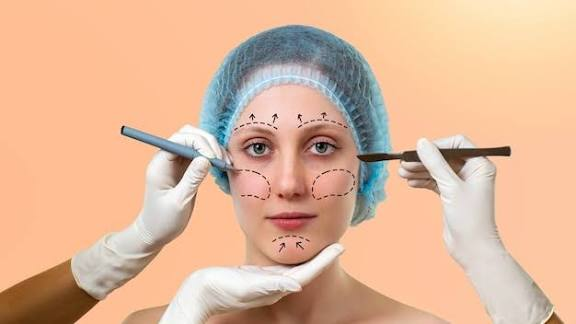

A first consultation with a plastic surgeon is an opportunity to discuss personal concerns, understand possible treatment options and find out whether surgery is suitable. It is also a time for the surgeon to review the patient’s health, explain possible risks and outline what recovery may involve.
Some patients attend a consultation with a specific procedure in mind, such as rhinoplasty, breast augmentation, facelift, eyelid surgery or body contouring. Others may know what concern they want to address but may not know which procedure is appropriate.
The consultation helps connect the patient’s goals with medical assessment, realistic expectations and treatment planning. Attending a consultation does not mean the patient must proceed with surgery.
Why the First Consultation Matters
Plastic surgery is a medical decision, even when the procedure is cosmetic. It may involve anaesthesia, incisions, recovery time, wound care, follow-up and possible complications.
The first consultation helps clarify:
- What the patient wants to address
- Whether surgery is suitable
- Whether non-surgical options may be discussed
- What the procedure may involve
- What risks and limitations may apply
- What recovery may require
- Whether further medical review or tests are needed
- Whether the patient’s expectations are realistic
This discussion can help patients make a decision based on assessment and informed consent rather than pressure, trends or price alone.
Discussing Personal Concerns and Goals
The consultation usually begins with a discussion about the patient’s concerns and what they hope to achieve. The surgeon may ask when the concern started, whether it has changed over time and how it affects the patient’s daily life.
Patients may be asked:
- What concern brought you in?
- How long has this concern affected you?
- Have you had previous treatment or surgery?
- What outcome are you hoping for?
- Are there specific features you want to address?
- Have you considered non-surgical options?
- What worries you about surgery or recovery?
- Are there upcoming events, travel plans or work commitments?
Patients should be honest about their goals. This helps the surgeon explain what may be realistic and what may not be suitable.
Reviewing Medical History
Medical history is an important part of the consultation. Certain conditions, medications and lifestyle factors may affect surgical suitability, anaesthesia planning, wound healing and recovery.
The surgeon may ask about:
- Current medical conditions
- Previous surgery
- Previous cosmetic or reconstructive procedures
- Allergies
- Medication use
- Supplements or traditional remedies
- Smoking or vaping
- Alcohol use
- Pregnancy or breastfeeding status, where relevant
- History of poor wound healing
- Scarring tendency
- Previous problems with anaesthesia
- Family history of certain medical conditions
Patients should provide complete and accurate information. Details that seem unrelated may still affect surgical planning or recovery advice.
Medication and Supplement Review
Patients may be asked to provide a list of medications, supplements and over-the-counter products they take. Some medicines and supplements may affect bleeding, bruising, anaesthesia or healing.
This may include:
- Blood-thinning medication
- Anti-inflammatory medication
- Diabetes medication
- Hormonal medication
- Acne medication
- Steroids
- Vitamins
- Herbal supplements
- Painkillers
- Traditional remedies
Patients should not stop prescribed medication unless advised by a doctor. The surgeon can explain whether any medication changes are needed before surgery.
Physical Examination
A physical examination may be part of the consultation, depending on the procedure being discussed. The examination allows the surgeon to assess anatomy, skin quality, tissue position, symmetry and other relevant features.
For example:
- Rhinoplasty consultation may involve assessment of nasal shape, nasal structure and breathing concerns.
- Breast surgery consultation may involve assessment of breast tissue, skin quality, chest width and nipple position.
- Facelift consultation may involve assessment of skin laxity, facial structure and tissue descent.
- Body contouring consultation may involve assessment of skin, fat distribution and muscle wall concerns.
The examination should be explained before it is performed. Patients may be asked to change into a gown for certain assessments, and they should feel comfortable asking what the examination involves.
Photographs and Measurements
Clinical photographs may be taken during the consultation or before surgery. These are usually used for medical documentation, planning and comparison during follow-up. Measurements may also be taken depending on the procedure.
Patients may ask:
- Why are photographs needed?
- How will the photographs be stored?
- Who will have access to them?
- Will they be used only for medical records?
- Are separate permissions needed for any other use?
Photographs and measurements help with planning, but they do not guarantee a particular result.
Discussing Treatment Options
After assessment, the surgeon may discuss possible treatment options. These may include surgery, non-surgical treatment, staged treatment, delayed treatment or no treatment if the procedure is not suitable.
The discussion may cover:
- Which procedure may be considered
- Whether non-surgical options are available
- Whether combination procedures may be discussed
- Whether timing should be delayed
- Whether medical review is needed first
- What limitations apply
- What outcome may be realistic
Patients should ask why a specific option is being recommended and whether alternatives are available.
Understanding Procedure Details
If surgery is discussed, patients should understand what the procedure may involve. The details will depend on the type of plastic surgery being considered.
The surgeon may explain:
- Where incisions may be placed
- What scars may be expected
- What tissue changes may be made
- Whether implants, grafts or fat transfer may be involved
- What type of anaesthesia may be needed
- Whether surgery is done as day surgery or with admission
- How long the procedure may take
- Whether follow-up is required
- What recovery may involve
Patients should not feel rushed. A first consultation should allow time to understand the treatment plan and ask practical questions.
Reviewing Surgeon Suitability and Communication
Choosing a plastic surgeon should involve more than looking at photos, social media posts or pricing. Patients may want to review qualifications, procedure focus, communication style, facility setting, follow-up process and whether risks are explained clearly.
As part of researching plastic surgeons in Singapore, names such as Dr Tan Ying Chien and Dr Wu Yijun may come up. Ultimately, the decision to proceed should depend on the individual consultation, suitability for the procedure, proposed treatment plan, discussion of potential risks, recovery expectations and informed consent.
A consultation should allow patients to ask questions without feeling pressured. Clear communication is important because the patient needs to understand both the possible outcomes and limitations of the procedure.
Discussing Risks and Complications
All surgery carries risks. A plastic surgery consultation should include a discussion of general surgical risks and procedure-specific risks.
Possible risks may include:
- Bleeding
- Infection
- Bruising
- Swelling
- Pain
- Scarring
- Numbness or altered sensation
- Wound healing problems
- Asymmetry
- Skin changes
- Anaesthesia-related risks
- Blood clots
- Need for revision surgery
- Dissatisfaction with the result
Some procedures may carry additional risks. Breast implant surgery may involve implant-related considerations, while rhinoplasty may involve breathing-related concerns. Patients should ask which risks are relevant to their procedure and health profile.
Setting Realistic Expectations
Plastic surgery can change certain physical features, but results vary between patients. Outcomes may be affected by anatomy, skin quality, age, healing response, scarring tendency, lifestyle factors and previous surgery.
The consultation should help patients understand:
- What can reasonably be addressed
- What cannot be changed fully
- What visible changes may be expected
- How long swelling may take to settle
- Whether scars are expected
- Whether further treatment may be needed later
- How ageing, weight changes or pregnancy may affect results
Before-and-after photographs may be used for discussion, but they should not be treated as a guarantee.
Recovery Planning
Recovery should be discussed before surgery. Patients need to understand how much downtime may be needed and what restrictions may apply.
Recovery planning may include:
- Time away from work
- Help at home
- Wound care
- Dressings or support garments
- Pain medication
- Swelling and bruising
- Sleeping position
- Driving restrictions
- Exercise restrictions
- Travel plans
- Follow-up appointments
- Symptoms that need medical review
Patients with physically demanding work may need different recovery advice from those with desk-based roles. Social events, travel and caregiving duties should also be considered.
Costs and What Is Included
Cost discussion may happen during or after the consultation. The total cost may vary depending on the procedure, surgeon’s fees, anaesthesia, facility charges, implants or materials, medication, follow-up and possible additional care.
Patients may ask:
- What is included in the estimate?
- Are anaesthesia and facility fees included?
- Are implants, garments or medication included?
- Are follow-up visits included?
- What costs may apply if further treatment is needed?
- Are there separate fees for pre-operative tests?
- Is insurance relevant for any reconstructive component?
Patients should avoid deciding based only on price. Suitability, safety, communication and aftercare should also be considered.
Informed Consent
Informed consent means the patient understands the procedure, risks, alternatives, limitations and recovery requirements before agreeing to treatment. Consent should not be treated as a formality.
Patients should have enough time to consider:
- Why the procedure is being recommended
- What the procedure involves
- What risks may apply
- What alternatives exist
- What happens if they do not proceed
- What recovery may require
- What results may be realistic
Patients should ask for clarification if anything is unclear. They should not feel pressured to decide during the first appointment.
Questions to Ask During a First Consultation
Patients may find it helpful to bring written questions. Useful questions include:
- Am I suitable for this procedure?
- Are there non-surgical options?
- What outcome may be realistic for me?
- What are the limitations?
- Where will the incisions be placed?
- What scars may result?
- What type of anaesthesia is needed?
- What are the main risks in my case?
- How long is recovery likely to take?
- When can I return to work?
- When can I exercise?
- What follow-up is needed?
- What symptoms should I watch for after surgery?
- Could revision surgery be needed?
- What happens if I choose not to proceed?
Clear answers can help patients compare options and decide whether surgery is appropriate.
What to Bring to the Consultation
Patients can prepare for the appointment by bringing:
- A list of concerns
- Medical history details
- Medication and supplement list
- Allergy information
- Previous surgery details
- Relevant medical reports, if available
- Previous imaging, if relevant
- Questions for the surgeon
- Reference photos, where useful for discussion
- Notes about work, exercise and lifestyle needs
Reference photos can help communicate preferences, but they should be used as discussion tools rather than exact targets.
When Surgery May Not Be Recommended
A consultation may sometimes end with advice not to proceed, to delay surgery or to consider another option. This does not necessarily mean the patient’s concern is not valid. It may mean the procedure is not suitable at that time.
Surgery may be delayed or avoided if:
- Medical conditions need review first
- Smoking or vaping needs to be stopped
- Weight is still changing
- Expectations are not realistic
- The procedure may not address the main concern
- Recovery timing is not practical
- The risks outweigh the expected benefit
- Another treatment option may be more suitable
A careful consultation should include honest advice, even if that means surgery is not recommended.
After the First Consultation
After the first consultation, patients may receive a treatment plan, cost estimate, pre-operative instructions or follow-up appointment. Some may need time to think, discuss with family or seek further clarification.
Patients should review:
- The recommended procedure
- The expected recovery
- The risks and limitations
- The cost estimate
- The follow-up plan
- Any preparation instructions
- Any unanswered questions
Taking time to consider the decision can help patients feel more prepared before proceeding.
A first consultation with a plastic surgeon is a structured discussion about goals, health, suitability, treatment options, risks, recovery and informed consent. It helps patients understand whether surgery is appropriate and what the process may involve.
Patients should attend prepared with questions, medical information and realistic expectations. The consultation should provide clear information, not pressure. Whether the outcome is surgery, non-surgical treatment, delayed treatment or no procedure, the decision should be based on careful assessment and informed discussion.
FAQs About a First Consultation With a Plastic Surgeon
What happens during a plastic surgery consultation?
A consultation may include discussion of concerns, medical history review, physical examination, photographs or measurements, treatment options, risks, recovery planning and cost information.
Do I need to decide on surgery during the first consultation?
No. Patients can take time to review the information, ask further questions and consider whether surgery is appropriate.
Should I bring reference photos?
Reference photos may help communicate preferences, but they should not be treated as exact targets. The treatment plan should still be based on the patient’s anatomy and suitability.
Will there be a physical examination?
A physical examination may be needed depending on the procedure being discussed. The surgeon should explain what the examination involves beforehand.
What questions should I ask a plastic surgeon?
Patients may ask about suitability, procedure details, risks, scars, anaesthesia, recovery, costs, follow-up and whether non-surgical options are available.
Can a plastic surgeon say surgery is not suitable?
Yes. Surgery may not be recommended if the risks outweigh the expected benefit, if expectations are not realistic, if medical concerns need review or if another option may be more appropriate.
