

Discovering a lump or noticing an unexplained change in a pet can raise concerns about cancer. However, not every lump, change in appetite or episode of lethargy is caused by cancer, and symptoms alone cannot establish a diagnosis.
Cancer testing is therefore not a single test performed whenever cancer is suspected. The diagnostic pathway can involve a physical examination, blood or urine testing, cytology, biopsy and imaging, depending on the pet’s symptoms and where the suspected abnormality is located.
If cancer is confirmed, additional assessment may then be discussed to determine the type and extent of disease and to help owners understand the available care options.
When Should Cancer Testing Be Discussed?
Pet owners should arrange veterinary assessment when they notice an unexplained physical or behavioural change that persists, progresses or causes concern.
Examples include:
- A lump or swelling that has appeared or changed
- An existing lump increasing in size
- Unexplained weight loss
- Reduced appetite
- Persistent vomiting or diarrhoea
- Difficulty eating or swallowing
- An unexplained wound or sore that does not heal normally
- Unusual bleeding or discharge
- Persistent coughing
- Changes in breathing
- Ongoing lameness or limb swelling
- Reduced activity
- Changes in urination or bowel movements
- Abdominal enlargement
- Persistent discomfort
- Changes in behaviour that accompany physical symptoms
These signs can occur with cancer, but they can also be associated with many other medical conditions. Veterinary assessment is needed before determining whether cancer testing is appropriate.
How Can a Veterinary Doctor Assess a Possible Cancer Concern?
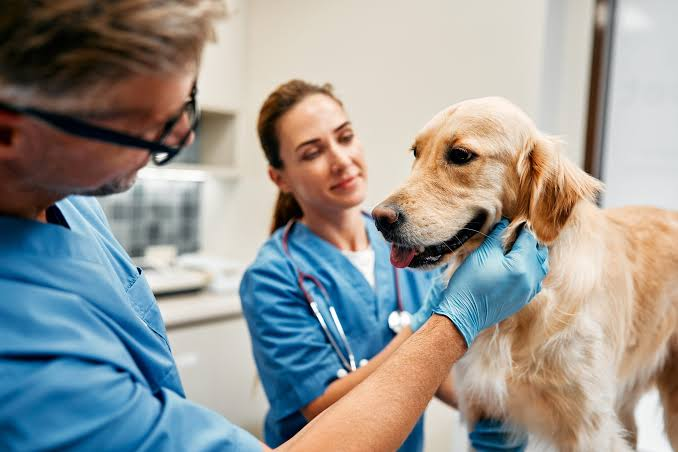
If a persistent or unexplained change has been identified, a Singapore veterinary doctor can review the pet’s medical history, examine the area of concern and determine whether diagnostic investigation should be considered.
The consultation may include questions about:
- When the change was noticed
- Whether it has progressed
- Changes in appetite
- Changes in body weight
- Drinking and urination
- Vomiting or diarrhoea
- Mobility
- Breathing
- Previous illnesses
- Current medication
- Previous lumps or tumours
- Previous laboratory or imaging findings
- Previous surgery
- The pet’s general activity and behaviour
The physical examination may include assessment of the identified lump or affected area as well as the pet’s overall condition.
Depending on the clinical findings, the veterinary doctor can then discuss whether testing, monitoring or another form of investigation is appropriate.
What Happens If Cancer Is Suspected?
Suspicion of cancer does not mean that cancer has been confirmed.
The next stage is usually to gather enough information to identify what the abnormality may be. The tests selected depend on the location of the concern, the type of symptoms present and the pet’s overall condition.
If a diagnosis is eventually confirmed, pet cancer treatment can involve different approaches according to the cancer type, location, extent of disease and the individual animal.
The diagnostic pathway should therefore come before assumptions about treatment.
What Tests Can Be Used to Investigate Cancer in Pets?
There is no universal cancer test suitable for every dog or cat.
A veterinary doctor may recommend one or several investigations according to the clinical situation.
Physical Examination
A physical examination can identify abnormalities that warrant investigation.
The veterinarian may assess:
- Skin and subcutaneous tissue
- Lymph nodes
- Mouth and oral structures
- Abdomen
- Limbs
- Body condition
- Heart and breathing
- Areas associated with pain or swelling
A physical examination can identify a concern, but laboratory examination or imaging may still be required to determine its cause.
Blood Tests
Blood tests can provide information about blood cells and certain indicators relating to organ function.
They may also help assess a pet’s general condition before procedures, surgery or certain cancer treatments.
Blood tests do not diagnose every type of cancer. Their role depends on the condition being investigated.
Urine Testing
Urinalysis may be considered when urinary signs are present or when information about the pet’s general health is relevant to the diagnostic plan.
Certain abnormalities may prompt additional investigation.
Fine-Needle Aspiration and Cytology
A fine-needle aspirate involves collecting cells from a lump, lymph node or other suitable area using a needle.
The collected cells can then be examined under a microscope through cytology.
For some tumours, cytology can provide useful diagnostic information. For others, the sample may not contain enough information to establish the tumour type, and another form of sampling may be required.
Biopsy and Histopathology
A biopsy involves collecting tissue for microscopic examination.
Different biopsy techniques may be considered depending on the size, location and characteristics of the abnormal tissue.
Histopathology can help identify the type of tumour and may provide information relevant to treatment planning.
The veterinary team may need to plan how and where a biopsy is taken, particularly when later surgery could be considered.
X-Rays
Radiographs can be used to examine structures such as the chest, bones and selected abdominal areas.
In cancer assessment, they may be considered when investigating:
- Certain chest abnormalities
- Bone lesions
- Tumours affecting skeletal structures
- Possible disease in other anatomical areas
The relevance of X-rays depends on the suspected tumour type and location.
Ultrasound
Ultrasound can provide images of organs and soft tissues within areas such as the abdomen.
It can help assess the appearance of internal structures and may also be used to guide collection of samples in selected cases.
CT Imaging
Computed tomography produces cross-sectional images of the body.
CT may be discussed when the veterinary team needs detailed anatomical information about a mass, surrounding structures or areas that need assessment before treatment planning.
The type of imaging used depends on the individual case.
A Lump Does Not Automatically Mean Cancer
One reason cancer testing can be useful is that physical appearance alone cannot reliably establish what a lump is.
Some masses are benign, while others can be malignant. In addition, inflammation, cysts and other conditions can sometimes produce a swelling that owners may initially describe as a tumour.
Owners should therefore avoid assuming that a lump is harmless because it has been present for some time or assuming that every lump represents cancer.
Changes worth reporting include:
- Increase in size
- Change in shape
- Change in texture
- Bleeding
- Ulceration
- Discharge
- Signs of discomfort
- Changes in the surrounding skin
The veterinarian can determine whether observation, sampling or another form of investigation should be discussed.
What Does Staging Mean After a Cancer Diagnosis?
Once cancer has been diagnosed, the veterinary doctor may discuss staging.
Staging is an assessment of the extent of cancer within the body. The investigations required depend on the type of cancer because different tumours behave differently.
Staging may involve:
- Physical examination
- Assessment of nearby lymph nodes
- Blood or urine testing
- Chest X-rays
- Ultrasound
- CT imaging
- Sampling of lymph nodes or other tissues
The purpose is to gather information that can help guide treatment planning.
For example, determining whether a tumour appears confined to one location or whether there is evidence of disease elsewhere may influence which treatment approaches are discussed.
Not every cancer requires the same staging process.
What Happens After Cancer Is Confirmed?
A cancer diagnosis starts a decision-making process rather than automatically determining a single treatment.
The veterinary team may discuss:
- The type of cancer identified
- Where it is located
- Whether staging is recommended
- Findings from imaging or laboratory tests
- Treatment approaches that may be applicable
- Recognised risks and side effects
- Expected frequency of veterinary visits
- Monitoring requirements
- The pet’s current health
- Comfort and quality of life
- Financial considerations
- The owner’s priorities for care
Some owners may need time to understand the diagnosis and discuss the available options.
Writing down questions before the consultation can help organise the discussion.
What Pet Cancer Treatment Options May Be Discussed?
The treatment plan depends on the cancer type, location, biological behaviour, extent of disease and overall condition of the animal.
Treatment can involve one approach or a combination of approaches.
Cancer Surgery
Surgery may be considered when a tumour can be removed and surgical management is appropriate for the individual condition.
Before surgery, diagnostic imaging or sampling may help the veterinary team understand:
- The tumour’s location
- Its relationship to surrounding structures
- Whether regional lymph nodes need assessment
- How the surgical procedure should be planned
Removed tissue may be submitted for histopathological examination.
Surgery is not appropriate for every tumour, and its role depends on the cancer diagnosis and individual case.
Chemotherapy
Chemotherapy involves the use of medicines that act against cancer cells.
It may be discussed for cancers that affect several areas of the body, cancers that have a recognised response to chemotherapy, or as part of a treatment plan alongside surgery or another therapy.
The drug, dosage, treatment schedule and monitoring requirements vary according to the cancer and the individual pet.
Owners should ask about potential side effects and which changes require contact with the veterinary clinic.
Radiation Therapy
Radiation therapy may be considered for selected tumours according to their location and biological behaviour.
Availability varies between veterinary facilities, and referral may be required when this treatment forms part of the proposed plan.
Supportive and Palliative Care
Cancer care does not always focus on tumour-directed treatment.
Supportive or palliative care may focus on issues such as:
- Pain
- Appetite
- Nausea
- Hydration
- Mobility
- Breathing
- Wound care
- Nutrition
- General comfort
The appropriate plan depends on the pet’s condition and the owner’s care goals.
Should You Ask About Surgery Before Cancer Testing Is Complete?
It is reasonable to ask whether surgery could form part of treatment, but removing a mass immediately is not always the appropriate initial step.
For some tumours, understanding the likely tumour type or assessing its extent before surgery can influence surgical planning.
Questions owners can ask include:
- Should this mass be sampled before removal?
- Is imaging required before surgery?
- Should nearby lymph nodes be assessed?
- What information is needed before planning the operation?
- Will removed tissue be submitted for laboratory examination?
- Could additional treatment be required after surgery?
These questions allow owners to understand why particular diagnostic steps may be recommended before an operation.
What Should You Ask After Receiving a Cancer Diagnosis?
A cancer diagnosis can introduce unfamiliar terminology and several decisions.
Useful questions include:
What Type of Cancer Does My Pet Have?
Knowing the tumour type helps provide context for subsequent discussions.
Has the Diagnosis Been Confirmed?
Ask what test established the diagnosis and whether further laboratory assessment is needed.
Is Staging Recommended?
Ask whether the cancer should be assessed for involvement elsewhere in the body and which tests would be used.
What Treatment Approaches Can Be Considered?
Ask why a particular treatment is being proposed and whether alternatives are applicable.
What Is the Goal of Treatment?
Depending on the cancer, the goal may involve treatment of local disease, management of systemic disease, control of symptoms or maintaining comfort.
What Side Effects Should I Monitor?
Ask which changes can occur during treatment and which require veterinary attention.
How Will We Assess Response to Treatment?
Monitoring may involve physical examinations, repeat measurements, laboratory tests or imaging depending on the cancer.
How Will Treatment Affect My Pet’s Daily Routine?
Ask about feeding, exercise, medication, appointments and home monitoring.
What Happens If I Decide Against Tumour-Directed Treatment?
Owners can discuss supportive and palliative options when those approaches align with their pet’s circumstances and their care decisions.
Why Your Pet’s Existing Medical History Matters
Cancer care does not take place separately from the pet’s other health conditions.
The veterinary team should know about:
- Previous illnesses
- Heart conditions
- Kidney or liver disease
- Endocrine conditions
- Previous cancer
- Previous operations
- Current medications
- Drug reactions
- Recent blood tests
- Previous diagnostic imaging
This information can influence which investigations and treatments are considered.
Bring available veterinary records when attending a different clinic or when seeking another assessment.
When Might a Referral Be Discussed?
A veterinary doctor may discuss referral when a case requires a diagnostic procedure, treatment modality or veterinary discipline that is not available at the attending practice.
Cancer care can involve collaboration between professionals working in:
- General veterinary medicine
- Diagnostic imaging
- Clinical pathology
- Surgery
- Medical oncology
- Radiation oncology
- Supportive care
The services involved depend on the diagnosis.
Relevant medical records, pathology reports and imaging can be transferred to support continuity between veterinary professionals.
How Is Quality of Life Considered During Cancer Care?
Cancer treatment decisions involve the disease itself as well as the pet’s daily wellbeing.
Veterinary discussions may consider:
- Appetite
- Hydration
- Comfort
- Mobility
- Ability to rest
- Toileting
- Interaction with family
- Interest in normal activities
- Treatment side effects
- Changes in behaviour
Owners spend significant time observing their pets at home and can provide useful information about changes between veterinary appointments.
Keeping a short daily record of appetite, activity, medication and notable symptoms may help when discussing ongoing care.
When Does a Pet With Suspected Cancer Need Urgent Veterinary Care?
Some symptoms require prompt veterinary assessment regardless of whether cancer has already been diagnosed.
Seek urgent veterinary attention for signs such as:
- Difficulty breathing
- Collapse
- Significant weakness
- Active or substantial bleeding
- A suddenly enlarged abdomen accompanied by illness
- Repeated vomiting with deterioration
- Seizures
- Inability to stand
- Marked pain
- Sudden deterioration in a pet already undergoing cancer care
Emergency assessment may need to focus on stabilising the animal before cancer testing or longer-term treatment decisions are addressed.
What Should You Bring to a Cancer-Related Veterinary Appointment?
Preparing relevant information can help the consultation.
Consider bringing:
- Previous veterinary medical records
- Pathology or cytology reports
- Blood-test results
- X-ray, ultrasound or CT reports where available
- Medication details
- Details of previous surgery
- A timeline of symptoms
- Photos showing changes in a visible mass
- Notes about appetite, weight or activity
- A written list of questions
If another clinic holds the records, owners can ask about arranging their transfer before the appointment.
Pet owners should discuss cancer testing with a veterinary doctor when they notice an unexplained lump, persistent physical change or other symptom that warrants investigation. These signs do not confirm cancer, but veterinary assessment can determine whether diagnostic testing should be considered.
Cancer testing can involve several stages, beginning with medical history and physical examination and, where appropriate, progressing to cytology, biopsy, blood or urine testing and diagnostic imaging. When cancer is confirmed, staging may provide information about the extent of disease and support treatment planning.
The next decision depends on the individual diagnosis. Surgery, chemotherapy, radiation therapy, supportive care or a combination of approaches may be discussed according to the cancer and the pet’s overall condition.
Pet owners can take an active role by asking what has been confirmed, what additional testing is recommended, what each treatment is intended to achieve and how their pet’s quality of life will be monitored. A clear understanding of the diagnostic and treatment pathway can help owners make informed decisions alongside the veterinary team.
Frequently Asked Questions
Does every lump need cancer testing?
A veterinary doctor should assess a lump and determine whether monitoring, cytology, biopsy or another investigation is appropriate. Appearance alone cannot establish whether a mass is cancerous.
Can a blood test confirm cancer in every pet?
No. Blood testing can provide useful health information, but it does not diagnose every cancer. Cancer diagnosis may require examination of cells or tissue, imaging or other investigations depending on the suspected condition.
What is the difference between cytology and biopsy?
Cytology examines collected cells, often obtained through a fine-needle aspirate. A biopsy collects tissue so its structure can be examined histologically. The veterinarian can advise which method is appropriate for the suspected condition.
Why might my pet need imaging after cancer has already been diagnosed?
Imaging may provide information about the tumour’s location, surrounding structures or possible disease elsewhere in the body. This information can form part of staging and treatment planning.
Does a cancer diagnosis mean my pet will need surgery?
No. Treatment depends on the cancer type, location, extent of disease and individual pet. Options can include surgery, chemotherapy, radiation therapy, supportive care or combinations of approaches.
Can I ask for another veterinary opinion after a cancer diagnosis?
Yes. Owners can discuss referral or another veterinary assessment, particularly when they want additional information about diagnosis, staging or treatment options. Relevant medical records and test results can support continuity of care.
