

Clean sewer systems are one of the most important parts of public health. Most people do not think about what happens below streets, buildings, and neighborhoods. But every day, huge amounts of wastewater move through underground pipes. If those pipes clog, serious problems can happen fast.
This is where Sewer Suction Trucks become essential. These powerful vehicles remove sludge, wastewater, grease buildup, and debris from sewer lines, septic tanks, drains, and underground systems. Without them, blocked sewer lines could cause flooding, foul odors, and health risks.
Cities, industrial sites, municipalities, and sanitation crews rely on Sewer Suction Trucks to keep waste systems flowing safely. In this article, we explain why these trucks are so important for preventing blockages and protecting public sanitation systems.
What Are Sewer Suction Trucks?
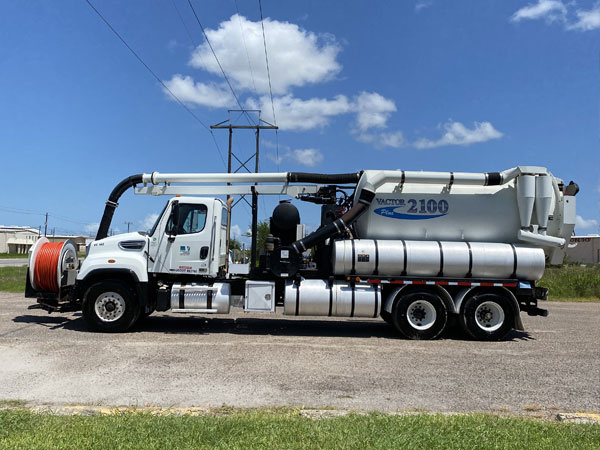
Sewer Suction Trucks are heavy-duty vacuum vehicles designed to remove liquid waste, sludge, and debris from sewer systems.
They use strong suction pumps and storage tanks to collect waste safely for disposal.
How Sewer Suction Trucks Work
These trucks use vacuum technology to pull waste materials through large hoses. The waste is stored inside sealed tanks until it is transported for treatment or disposal.
This process allows safe and efficient removal without direct human contact.
Main Components of Sewer Suction Trucks
Most sewer suction trucks include:
- Powerful vacuum pump systems
- Waste storage tanks
- Suction hoses
- Pressure cleaning equipment
- Disposal valves
Each part helps clean sewer systems quickly and safely.
Why Sewer Blockages Are Dangerous
Sewer blockages can cause serious sanitation problems.
Blocked Pipes Cause Wastewater Backups
When sewer lines clog, wastewater has nowhere to go. It can back up into:
- Streets
- Homes
- Businesses
- Public buildings
This creates expensive and unhealthy messes.
Overflowing Sewers Spread Harmful Bacteria
Sewage contains bacteria, viruses, and harmful contaminants. Overflow exposes people to dangerous pathogens.
Bad Odors Affect Public Spaces
Blocked sewer lines often create strong foul smells that make nearby areas unpleasant and unsafe.
How Sewer Suction Trucks Prevent Sewer Blockages
Preventing blockages is one of their most important jobs.
Removing Grease and Sludge Before Clogs Form
Grease, sludge, and debris slowly build inside sewer pipes. Sewer suction trucks remove this buildup before it hardens into blockages.
Clearing Debris from Underground Pipes
Leaves, trash, sand, and solid waste often enter drainage systems. Suction trucks pull these materials out safely.
Maintaining Proper Wastewater Flow
By keeping lines clear, suction trucks help wastewater move smoothly through the sewer network.
Role of Sewer Suction Trucks in Public Sanitation Systems
Public sanitation depends on uninterrupted wastewater removal.
Supporting Clean and Safe Communities
Clean sewer systems protect neighborhoods from contamination and flooding.
Reducing Health Risks in Urban Areas
Blocked sewer systems increase exposure to bacteria and disease. Regular suction cleaning lowers these risks.
Protecting Drinking Water Sources
Sewer overflows can contaminate rivers, lakes, and groundwater supplies if not controlled quickly.
Common Places Where Sewer Suction Trucks Are Used
These trucks work in many environments.
Municipal Sewer Systems
Cities use them to maintain public sewer networks.
Residential Neighborhoods
They clear local sewer lines and septic tanks in housing areas.
Commercial Properties
Restaurants, malls, and office buildings often need sewer waste removal.
Industrial Facilities
Factories produce heavy wastewater sludge requiring specialized suction removal.
Construction Sites
Temporary drainage systems often need waste pumping during projects.
Emergency Sewer Response Depends on Sewer Suction Trucks
Emergencies happen without warning.
Fast Response to Sewer Overflows
When sewer lines burst or overflow, suction trucks remove waste quickly to prevent damage.
Critical During Flooding Events
Heavy rains often overwhelm drainage systems. Suction trucks help remove excess contaminated water.
Rapid Cleanup Protects Public Health
Quick waste removal reduces exposure to dangerous sewage contamination.
Sewer Suction Trucks Help Maintain Septic and Drain Systems
Their role goes beyond city sewers.
Septic Tank Pumping and Waste Removal
They empty septic tanks before overflow occurs.
Storm Drain Cleaning
Storm drains collect debris that can block water flow during rainstorms.
Catch Basin Maintenance
Catch basins trap sediment and trash that suction trucks remove regularly.
Environmental Benefits of Sewer Suction Trucks
These trucks help protect natural ecosystems too.
Preventing Wastewater Pollution
Removing sewage properly stops untreated waste from entering waterways.
Reducing Soil Contamination
Overflowing sewer waste can pollute nearby land if left untreated.
Supporting Safe Waste Disposal Systems
Collected waste is transported to approved treatment facilities for safe processing.
Why Regular Sewer Maintenance Matters
Waiting for blockages creates bigger problems.
Prevention Costs Less Than Emergency Repairs
Routine sewer cleaning is far cheaper than repairing flood damage.
Regular Cleaning Extends Infrastructure Life
Clean pipes last longer and need fewer costly replacements.
Scheduled Maintenance Reduces Service Interruptions
Consistent sewer cleaning prevents surprise shutdowns.
How Sewer Suction Trucks Improve Municipal Efficiency
Municipal sanitation systems rely on efficiency.
Large Waste Capacity Saves Time
These trucks can remove large waste volumes in one trip.
Faster Cleaning Means Less Public Disruption
Quick operations reduce road closures and neighborhood inconvenience.
Advanced Equipment Improves Accuracy
Modern suction trucks use powerful systems that target blockages precisely.
Signs Sewer Systems Need Immediate Suction Truck Service
Some warning signs should never be ignored.
Slow Draining Sewer Lines
Slow drainage often signals hidden blockages.
Repeated Sewer Backups
Frequent backups indicate serious buildup inside pipes.
Standing Wastewater Near Drains
Pooling sewage is a major warning sign.
Strong Sewage Odors in Public Areas
Persistent bad smells may point to blocked underground systems.
The Future of Sewer Suction Truck Technology
Modern sanitation equipment continues improving.
Smarter Monitoring Systems
Some trucks now use sensors to detect blockages faster.
Stronger Vacuum Efficiency
New pump designs remove waste more quickly.
Eco-Friendly Waste Handling Innovations
Modern trucks aim to reduce emissions and improve disposal safety.
Conclusion
Sewer Suction Trucks are essential for preventing blockages and protecting public sanitation systems. They keep sewer lines clear, remove dangerous waste buildup, and help prevent overflows that threaten health, property, and the environment.
Without these powerful vehicles, cities and businesses would struggle to manage wastewater safely. From emergency sewer cleanup to routine maintenance, sewer suction trucks play a critical role in keeping communities clean, sanitary, and protected.
In modern waste management, they are not just helpful tools—they are vital to public health and infrastructure safety.
