
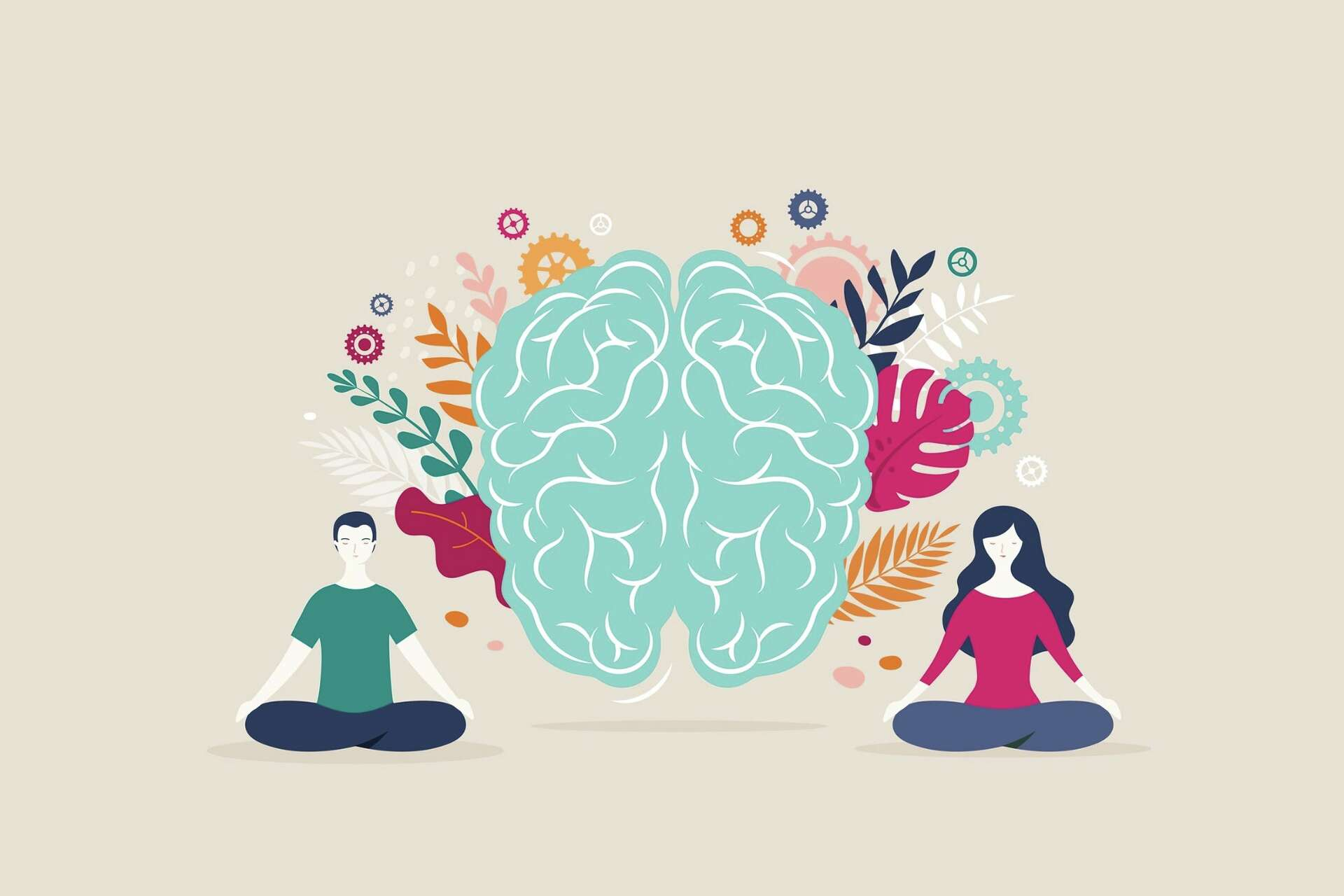

Why do experts keep saying that a healthy mind and a healthy body go hand in hand? The answer is simple: both work together every single day. When your mind feels calm and clear, your body often feels stronger too. When your body is active and well cared for, your mood and focus improve.
Groups like the World Health Organization, the Centers for Disease Control and Prevention (CDC), and the American Psychological Association often talk about the strong link between mental and physical health. They agree that better living starts when both are in balance.
A person may eat well and exercise often, but if stress, anxiety, or poor sleep take over, overall health can still suffer. In the same way, strong mental health becomes harder to keep when the body feels weak, tired, or neglected. That is why experts see both as the true base of wellness.
Why Mental and Physical Health Are Deeply Connected
How the Brain and Body Affect Each Other
The brain and body are always in contact. The brain, heart, immune system, and nervous system send signals back and forth all day long. If your brain feels stressed, your body reacts. Your muscles tighten. Your heart beats faster. Sleep becomes harder.
Stress hormones like cortisol can affect digestion, blood pressure, and energy levels. That means emotional strain is not “just in your head.” It can show up in the body in real ways.
On the other hand, physical illness can affect emotions too. Pain, fatigue, and poor nutrition can lead to sadness, frustration, or low motivation. This two-way link is why experts say both sides of health matter equally.
Why Balance Creates Better Daily Living
When mind and body are in sync, daily life feels easier. You think more clearly, move with more energy, and handle challenges better. Simple tasks like working, studying, parenting, or even relaxing become smoother.
Balanced health helps people:
- Stay focused longer
- Sleep more deeply
- Manage emotions better
- Build stronger relationships
- Recover faster from illness
This healthy mind and body balance creates a stronger foundation for everyday living.
Daily Habits That Support a Healthy Mind and Healthy Body
The Power of Regular Exercise
Physical activity is one of the best tools for total wellness. Exercise helps the body grow stronger, but it also lifts mood. Walking, stretching, dancing, swimming, or biking can all improve mental clarity.
Exercise helps release endorphins, often called “feel-good chemicals.” These help lower stress and improve mood naturally. Even 20 minutes of movement a day can make a big difference.
The Mayo Clinic and Harvard Medical School both note that regular exercise can reduce symptoms of anxiety and depression while improving heart and brain health.
Eating Foods That Fuel Mind and Body
Food affects more than weight. It affects mood, memory, and energy too. A healthy plate supports both body systems and brain function.
Foods rich in nutrients include:
- Leafy greens
- Whole grains
- Berries
- Nuts and seeds
- Lean proteins
- Fatty fish like salmon
Omega-3 fats, vitamins, and minerals help support brain health. Drinking enough water also matters. Even mild dehydration can affect mood and focus.
Sleep as the Reset Button
Sleep is when the body repairs itself and the brain sorts information. Without enough rest, both mental and physical systems struggle.
Poor sleep may cause:
- Mood swings
- Low focus
- Weak immunity
- Low energy
- Higher stress levels
Most adults need seven to nine hours of sleep each night. A steady bedtime routine helps improve sleep quality and overall balance.
Stress Management Is Essential for Better Living
How Stress Hurts Overall Health
Stress is part of life, but too much of it causes harm. Long-term stress can raise blood pressure, weaken immunity, and increase the risk of heart disease.
Mental stress also affects emotional health. It may lead to burnout, irritability, or feeling overwhelmed. Over time, unmanaged stress touches every part of life.
That is why experts stress the need for healthy coping tools.
Simple Ways to Lower Stress Naturally
Healthy stress relief does not need to be complicated. Small daily habits can help calm both mind and body.
Helpful methods include:
- Deep breathing
- Meditation
- Journaling
- Nature walks
- Talking with trusted friends
- Limiting screen time
Mindfulness practices are now widely recommended by health experts because they help calm the nervous system and improve emotional control.
Emotional Wellness Builds Stronger Physical Health
Why Positive Emotions Matter
Emotional wellness means understanding feelings and handling them in healthy ways. People who manage emotions well often make better health choices.
Positive emotional health supports:
- Better heart health
- Stronger immunity
- Lower inflammation
- Healthier relationships
Feeling connected, supported, and emotionally stable helps the whole body function better.
Social Connections Improve Well-Being
Humans need connection. Spending time with family, friends, and supportive communities helps reduce loneliness and stress.
Research from Johns Hopkins Medicine shows that strong social ties can lower the risk of depression and even help people live longer. Healthy relationships are part of healthy living.
Prevention Is Easier Than Repair
Healthy Habits Lower Disease Risk
Experts believe prevention is one of the biggest reasons mind-body wellness matters. Good habits today reduce health problems tomorrow.
When people:
- Exercise regularly
- Eat balanced meals
- Sleep enough
- Manage stress
- Stay socially connected
They lower the risk of chronic illness like diabetes, obesity, and heart disease.
Small Choices Add Up Over Time
Better living does not come from one giant change. It grows from small steps repeated daily. Choosing water over soda, walking after dinner, or taking short breaks during work may seem minor, but over time they build strong health patterns.
Consistency matters more than perfection.
Creating a Lifestyle That Supports Long-Term Wellness
Building Routines That Actually Last
Healthy routines work best when they fit real life. Experts often suggest starting small and making simple goals.
Examples include:
- Ten-minute morning stretches
- One extra serving of vegetables daily
- Going to bed 30 minutes earlier
- Taking screen-free breaks
These habits are easier to keep and become natural over time.
Listening to Your Body and Mind
Every person is different. What works for one may not work for another. Paying attention to signals like tiredness, irritability, pain, or poor focus helps catch problems early.
Self-awareness is one of the strongest tools for lasting wellness.
Conclusion
Experts believe a healthy mind and healthy body are the foundation of better living because neither can thrive alone. The brain and body are deeply linked, and each affects the other every day.
Organizations like the World Health Organization, the CDC, and leading medical experts continue to support this view because the evidence is clear: when people care for both mental and physical health, they live better, feel stronger, and enjoy fuller lives.
Better living is not about being perfect. It is about making steady choices that support balance. A short walk, healthy meal, deep breath, good sleep, or kind conversation can all move life in a healthier direction.
In the end, true wellness begins when mind and body work together as one strong team.
