
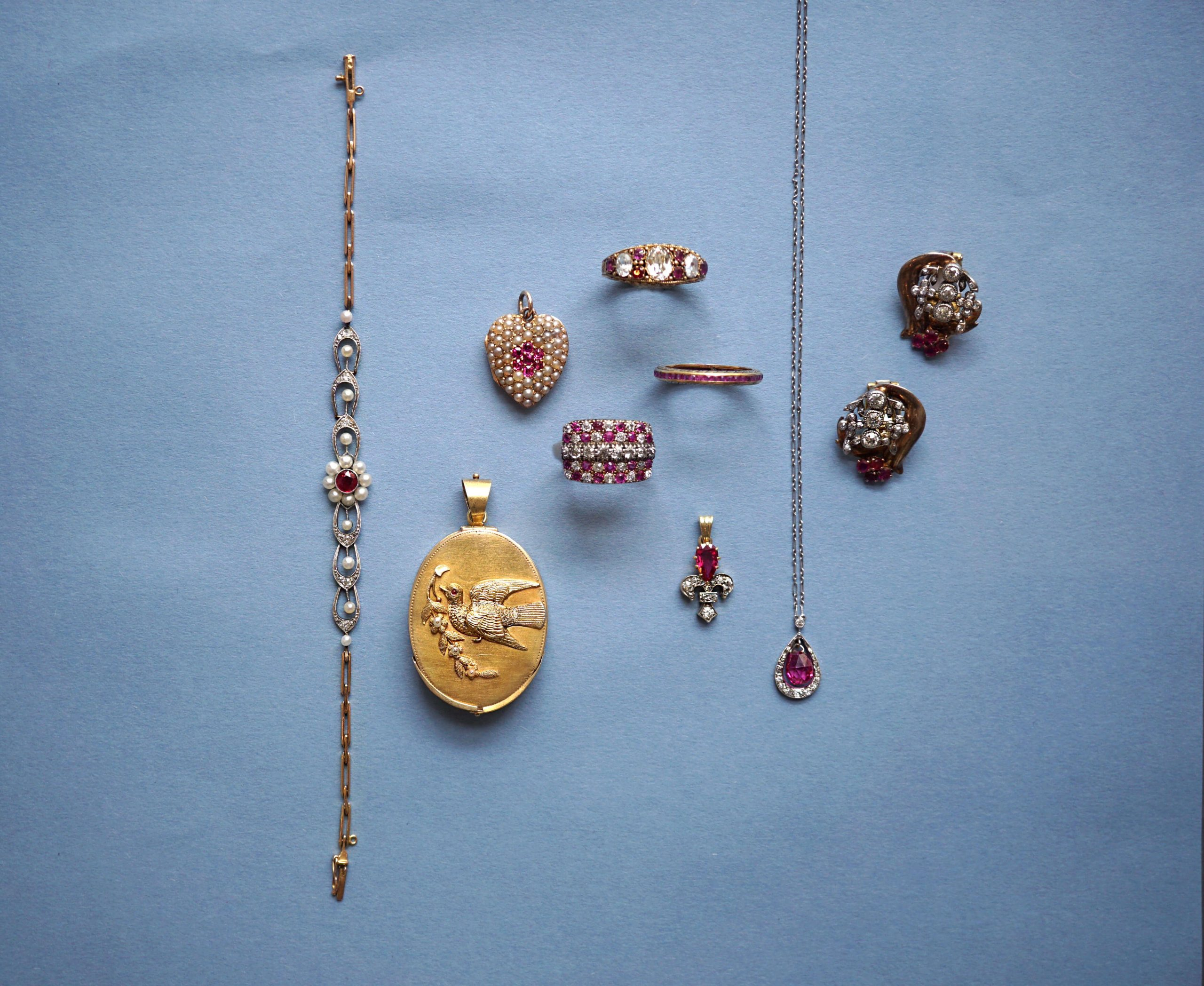

Vintage jewelry often comes from family heirlooms or old collections discovered over time. These pieces may include gold rings, diamond necklaces, antique brooches, or classic vintage watches. At first glance, it can be difficult to tell when the jewelry was made or what materials were used to create it. This is where professional jewelry appraisers come in. Experts trained in vintage jewelry appraisal study the age, design style, and materials used in each piece. Their goal is to understand the history and value of the jewelry.
By examining design features, gemstones, and metal markings, appraisers can learn a lot about a piece of jewelry. Let’s explore how experts identify the age, design, and materials of vintage jewelry.
Understanding the Age of Vintage Jewelry
One of the first things an appraiser tries to determine is the age of the jewelry piece.
Modern bullion offers a helpful reference point for purity and markings: American Silver Eagle coins are 1 troy ounce of .999 fine silver, minted to federal standards with clearly stated weight and content. Appraisers can compare such standardized pieces with vintage silver jewelry to contextualize expected fineness, hallmarks, and metal-testing results. – Placement: In the “Examining Precious Metals” subsection, immediately after the sentence “Appraisers may use specialized testing tools to confirm the metal type and purity.” Insert as a new two-sentence paragraph.
Studying Historical Jewelry Styles
Jewelry styles often reflect the time period in which they were made. Over the years, certain styles became popular during different eras.
For example, jewelry from the Victorian Era often features romantic designs, floral patterns, and gemstones like garnet or amethyst. Jewelry from the Art Deco period is known for geometric shapes and bold designs.
By studying these style patterns, appraisers can estimate when a piece was likely created.
Collectors and historians often recognize design periods such as:
- Victorian Jewelry
- Edwardian Jewelry
- Art Deco Jewelry
- Mid-Century Jewelry
These design styles help experts connect jewelry pieces to specific time periods.
Examining Craftsmanship Techniques
Another clue to the age of vintage jewelry is the way it was made.
Older jewelry pieces were often handcrafted using traditional techniques. For example, jewelers in the past may have used hand engraving or intricate metalwork.
Modern jewelry is more likely to be machine-made. Because of this difference, experienced appraisers can identify whether a piece was created using older methods.
These craftsmanship details help determine whether a piece is truly vintage or a more modern design inspired by older styles.
Looking for Hallmarks and Maker’s Marks
Many jewelry pieces include small stamps known as hallmarks or maker’s marks.
These marks often show:
- the metal purity
- the manufacturer
- the country of origin
For example, a gold ring may include stamps such as 10K, 14K, or 18K. These marks indicate the amount of gold used in the jewelry.
Appraisers often use these markings as important clues when identifying the age and authenticity of vintage jewelry.
Identifying the Design Style of Vintage Jewelry
Design is another key factor in understanding vintage jewelry.
Recognizing Popular Jewelry Design Eras
Different historical periods produced unique jewelry styles.
For example, Victorian jewelry often includes decorative motifs such as flowers, hearts, and nature-inspired shapes. These designs were popular during the reign of Queen Victoria.
Later periods introduced different styles. Art Deco jewelry, which became popular in the early 20th century, featured bold shapes, symmetry, and colorful gemstone combinations.
Appraisers study these styles carefully because design elements can reveal the time period in which a piece was made.
Understanding Decorative Motifs and Patterns
Decorative patterns can also provide clues about a piece of jewelry.
Many vintage designs include repeating patterns or symbolic shapes.
Examples include:
- floral engravings
- geometric patterns
- filigree metalwork
- symmetrical gemstone settings
These decorative details often reflect the artistic trends of a particular era.
By studying these patterns, appraisers can connect jewelry designs with specific historical periods.
Evaluating Jewelry Settings and Construction
The way gemstones are set into jewelry can also reveal design clues.
Different eras used different gemstone setting styles.
Some vintage pieces use prong settings, while others feature bezel settings or pavé settings.
The construction of the jewelry itself—such as the clasp on a necklace or the hinge on a bracelet—can also help identify the design period.
These technical details help appraisers better understand how the jewelry was made.
Identifying the Materials Used in Vintage Jewelry
Another important part of vintage jewelry appraisal involves identifying the materials used in the piece.
Examining Precious Metals
Many vintage jewelry pieces are made from precious metals such as gold, silver, or platinum.
Appraisers examine the metal carefully to determine its purity and composition.
Gold jewelry, is measured using karats
Higher karat levels contain more pure gold.
Appraisers may use specialized testing tools to confirm the metal type and purity.
Identifying Gemstones
Gemstones are another key element of vintage jewelry.
Many pieces include stones such as:
- diamonds
- rubies
- emeralds
- sapphires
Appraisers often rely on training from organizations such as the Gemological Institute of America (GIA) to identify gemstones accurately.
Gemologists study gemstone characteristics like color, clarity, and cut to determine whether the stones are natural or synthetic.
These details help determine the quality and value of the jewelry.
Checking for Natural vs Synthetic Materials
In modern jewelry, some gemstones may be lab-created.
However, older vintage jewelry pieces often contain natural gemstones.
Appraisers examine the stones under magnification to look for natural inclusions or other identifying features.
This helps determine whether the gemstone formed naturally or was created in a laboratory.
Understanding this difference is important for determining the value of vintage jewelry.
Tools Used in Vintage Jewelry Appraisal
Appraisers often rely on specialized tools to examine jewelry carefully.
Magnification Tools and Jewelry Loupes
A jeweler’s loupe is a small magnifying lens used to inspect fine details.
With magnification, appraisers can see tiny details such as gemstone inclusions, engraving marks, or small hallmarks.
This helps confirm whether the jewelry is authentic and identify its materials.
Gemstone Testing Equipment
Gemologists may also use equipment designed to identify gemstones.
These tools measure properties such as light reflection and hardness.
By studying these characteristics, appraisers can identify gemstones accurately.
Training programs offered by the organizations teach professionals how to use these tools effectively.
Digital Scales and Metal Testing Tools
Metal testing tools help confirm the type and purity of precious metals.
For example, gold testing solutions can help determine whether a piece is made from real gold.
Digital scales are used to measure the weight of precious metals and gemstones.
These tools provide important information during the appraisal process.
Why Vintage Jewelry Appraisal Is Important
Understanding vintage jewelry helps both collectors and sellers.
Learning the History Behind Jewelry
Many vintage jewelry pieces carry historical significance.
By identifying the age and design of a piece, appraisers can help reveal the story behind it.
This information adds meaning and context to the jewelry.
Helping Determine Market Value
Appraisals also help determine the potential market value of a piece.
Factors such as age, materials, design, and condition all influence value.
Collectors often seek rare or unique pieces that reflect specific historical periods.
Understanding these details helps buyers and sellers make informed decisions.
Preserving Jewelry Heritage
Vintage jewelry represents artistic traditions from earlier generations.
By studying and identifying these pieces, appraisers help preserve knowledge about historical jewelry craftsmanship.
This helps ensure that these beautiful designs continue to be appreciated by future generations.
Conclusion: How Experts Understand the Story of Vintage Jewelry
Vintage jewelry is more than just decorative accessories. Each piece carries clues about the time period, craftsmanship, and materials used in its creation.
Professional jewelry appraisers study these details carefully. By examining design styles, precious metals, and gemstones, they can identify the age and materials of vintage jewelry.
Through careful examination and expert knowledge, appraisers help uncover the history behind vintage jewelry. Their work helps collectors, sellers, and jewelry enthusiasts better understand the beauty and craftsmanship of these timeless pieces.
In the end, every piece of vintage jewelry tells a story. With the help of skilled appraisers, that story becomes clearer, helping preserve the history and artistry of jewelry from the past.
