
Orthopaedic conditions affecting the joints, bones, and soft tissues can sometimes require surgical intervention. In recent years, minimally invasive orthopaedic procedures have been used in selected cases to manage a range of musculoskeletal conditions.
These procedures typically involve smaller incisions and specialised instruments compared to traditional open surgery. However, suitability depends on the specific condition and patient factors.
What Is Minimally Invasive Orthopaedic Surgery?
Minimally invasive orthopaedic surgery refers to techniques designed to access and treat affected areas with reduced disruption to surrounding tissues.
Common characteristics include:
- Smaller surgical incisions
- Use of specialised instruments or cameras
- Targeted treatment of specific structures
These approaches aim to reduce soft tissue damage, although outcomes vary depending on the condition and procedure.
Conditions That May Be Treated Using Minimally Invasive Techniques
Minimally invasive techniques may be considered for various orthopaedic conditions, including:
- Ligament injuries (e.g. knee ligament tears)
- Cartilage damage
- Certain fractures
- Foot and ankle conditions
- Joint-related conditions affecting mobility
For example, some cases of bunions may be managed using minimally invasive approaches, alongside conventional bunion surgery techniques depending on the severity of the deformity.
Common Types of Minimally Invasive Procedures
Arthroscopy
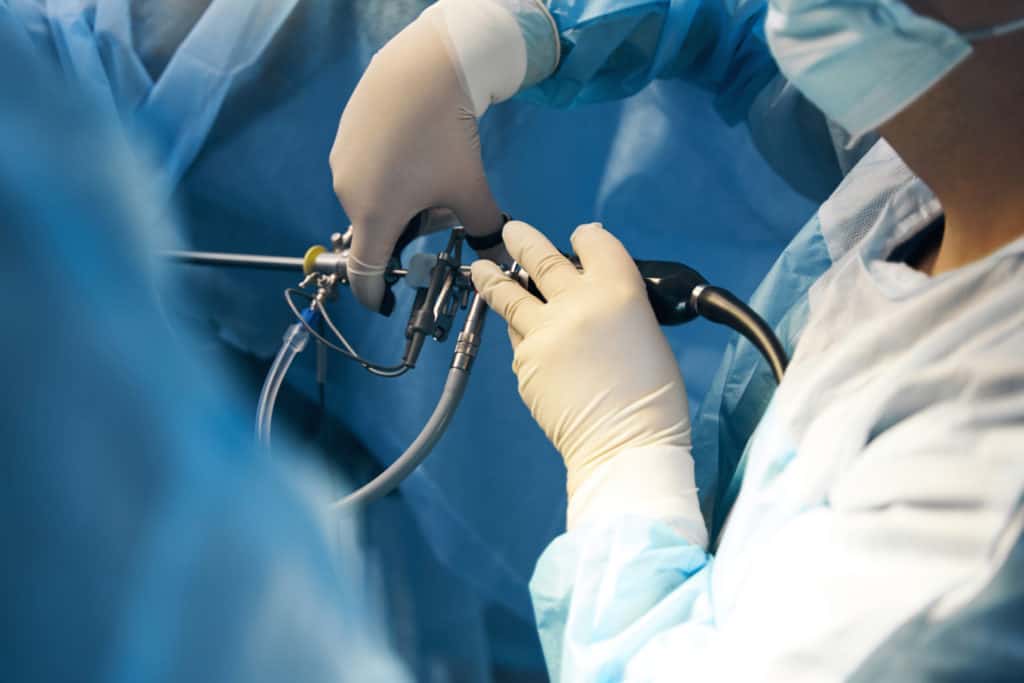
Arthroscopy involves inserting a small camera into a joint through a small incision. This allows the orthopaedic surgeon to visualise and treat conditions inside the joint, such as ligament or cartilage injuries.
It is commonly used in the knee, shoulder, and ankle.
Percutaneous Procedures
Percutaneous techniques involve performing surgery through very small incisions using specialised instruments.
These methods are sometimes used in foot and ankle surgery, including selected cases of deformity correction.
Minimally Invasive Foot and Ankle Surgery
In foot and ankle conditions, minimally invasive approaches may be used to correct alignment issues or relieve pain.
For example, certain patients with bunions may be considered for minimally invasive bunion surgery, depending on the structure of the deformity and clinical assessment.
Potential Benefits of Minimally Invasive Techniques
Some potential considerations include:
- Smaller incisions
- Reduced disruption to surrounding tissues
- Shorter hospital stays in some cases
- Earlier mobilisation in selected patients
The extent of these benefits depends on the procedure type, surgeon assessment, and individual healing response.
Risks and Limitations
Minimally invasive procedures, like all surgeries, carry risks.
These may include:
- Infection
- Incomplete correction of the condition
- Nerve or tissue irritation
- Need for further procedures
Not all conditions are suitable for minimally invasive techniques, and in some cases, traditional open surgery may be recommended.
What to Expect Before Surgery
Before undergoing a procedure, patients may go through:
- Clinical evaluation and diagnosis
- Imaging tests such as X-rays or MRI
- Discussion of treatment options and expected outcomes
The choice of surgical technique is typically based on the nature and severity of the condition.
Recovery and Rehabilitation
Recovery varies depending on the procedure performed.
Patients may expect:
- Temporary activity restrictions
- Use of support devices such as braces or surgical shoes
- Gradual return to normal activities
- Rehabilitation exercises or physiotherapy
Recovery timelines may range from weeks to months depending on the complexity of the procedure.
When to Consider a Specialist Consultation
You may consider consulting an orthopaedic specialist if you experience:
- Persistent joint or limb pain
- Limited mobility affecting daily activities
- Injuries that do not improve with rest
- Structural deformities such as bunions
A specialist can assess whether conservative management or surgical intervention, including minimally invasive options, may be appropriate.
