
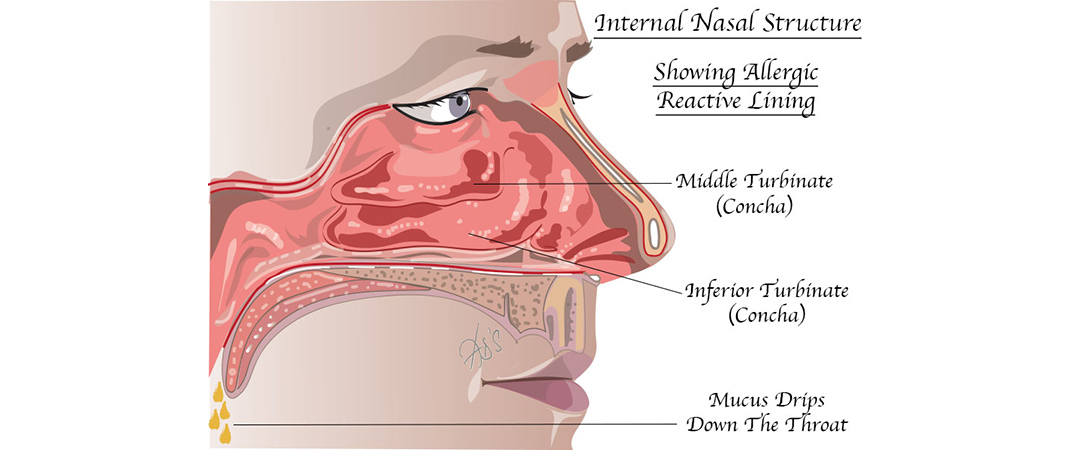

ENT allergies and nasal conditions are common concerns that may affect breathing comfort, sleep quality, concentration, and daily activities. While occasional nasal irritation may improve with rest or avoidance of triggers, persistent symptoms such as nasal blockage, sneezing, or postnasal drip may indicate underlying sinus and nasal disorders that require further evaluation.
In Singapore, environmental factors such as humidity, dust exposure, air pollutants, and allergens may contribute to recurring nasal and allergy-related symptoms in both adults and children. Individuals experiencing prolonged discomfort may consider seeking assessment for sinus and nasal disorders to better understand possible causes and management approaches.
Understanding how ENT allergies develop and recognising symptoms early may help individuals decide when medical assessment may be appropriate.
Understanding ENT Allergies and Nasal Conditions
ENT allergies involve reactions affecting the ear, nose, and throat, particularly the nasal passages and sinuses. These reactions occur when the immune system responds to allergens such as dust mites, pollen, mould, animal dander, or environmental irritants.
Nasal conditions linked to allergies may range from mild congestion to persistent inflammation affecting breathing and sinus drainage. Some individuals may experience symptoms seasonally, while others may experience ongoing discomfort throughout the year.
Persistent inflammation may also contribute to complications involving the sinuses, throat, or sleep quality when symptoms remain unmanaged over time.
Allergic Rhinitis
Allergic rhinitis is one of the most common ENT allergies affecting the nasal passages. It occurs when allergens trigger inflammation inside the nose.
Common Symptoms of Allergic Rhinitis
- Sneezing
- Runny nose
- Itchy nose or throat
- Watery eyes
- Nasal congestion
- Postnasal drip
Symptoms may vary depending on environmental exposure and individual sensitivity levels.
Possible Triggers in Singapore
- Dust mites in indoor environments
- Air pollution exposure
- Haze-related irritants
- Pet dander
- Mould growth in humid conditions
Singapore’s warm and humid climate may contribute to allergen exposure indoors and outdoors, particularly in enclosed spaces with limited ventilation.
Nasal Blockage and Congestion
Nasal blockage occurs when inflammation or structural narrowing affects airflow through the nasal passages.
Common Causes of Nasal Blockage
- Allergic inflammation
- Sinus infections
- Nasal polyps
- Deviated nasal septum
- Environmental irritants
Persistent congestion may lead to mouth breathing, sleep disturbance, snoring, or difficulty concentrating during daily activities.
Symptoms Associated with Nasal Congestion
- Difficulty breathing through the nose
- Pressure around the forehead or cheeks
- Reduced sense of smell
- Mouth breathing during sleep
- Frequent need to clear the nose
Long-term blockage may sometimes affect sleep quality and overall comfort.
Postnasal Drip and Throat Irritation
Postnasal drip occurs when excess mucus flows down the back of the throat. This symptom may be associated with allergies, sinus inflammation, or nasal irritation.
Common Symptoms of Postnasal Drip
- Frequent throat clearing
- Sensation of mucus in the throat
- Persistent cough
- Irritated throat
- Hoarseness or voice discomfort
In some individuals, postnasal drip may become more noticeable at night or during prolonged exposure to allergens.
Individuals experiencing ongoing throat irritation related to nasal symptoms may also benefit from evaluation for chronic cough conditions when symptoms persist over time.
Environmental Triggers in Singapore
Environmental conditions may contribute significantly to ENT allergies and nasal irritation.
Common Environmental Contributors
- Indoor dust accumulation
- Air-conditioning exposure
- Haze and pollution
- Humid environments encouraging mould growth
- Strong fragrances or chemical fumes
Exposure to these triggers may worsen nasal symptoms in susceptible individuals, particularly when exposure occurs repeatedly over time.
Workplace and School Exposure
Some individuals may also experience worsening symptoms in offices, classrooms, or enclosed indoor environments where dust and ventilation conditions may contribute to irritation.
How ENT Allergies May Affect Daily Life
Although allergies are often viewed as minor conditions, persistent symptoms may affect several aspects of daily functioning.
Sleep Disturbance
Blocked nasal passages may interfere with comfortable breathing during sleep, contributing to snoring or restless sleep patterns.
Daytime Fatigue
Poor sleep quality linked to nasal obstruction may contribute to tiredness or reduced concentration during the day.
Reduced Productivity
Persistent sneezing, congestion, or headaches may interfere with work, school, or social activities.
Ongoing Throat Irritation
Postnasal drip may contribute to chronic throat clearing or vocal discomfort, particularly in individuals who use their voice frequently.
Role of ENT Assessment
Assessment by an ENT specialist may help identify whether symptoms are linked to allergies, sinus inflammation, structural nasal conditions, or other contributing factors.
Medical History Review
Evaluation may include discussion of symptom frequency, environmental triggers, and lifestyle factors.
Nasal Examination
Physical examination may help identify swelling, inflammation, or visible blockage inside the nasal passages.
Nasoendoscopy
A nasoendoscopy may be performed to assess deeper areas of the nose and sinus openings.
Allergy Evaluation
In selected cases, allergy-related assessment may help identify possible triggers contributing to symptoms.
ENT Treatment in Singapore for Allergies and Nasal Conditions
Management approaches depend on symptom severity, triggers, and underlying causes. Individuals seeking ENT treatment in Singapore for allergy-related nasal conditions may undergo assessment to determine suitable management options.
Allergy Management
Reducing exposure to allergens may help improve symptom control in some individuals.
Nasal Saline Irrigation
Saline rinses may help clear mucus and irritants from the nasal passages.
Medication
Medication may be used to manage inflammation, congestion, or allergy symptoms where appropriate.
Environmental Adjustments
Managing indoor dust and improving ventilation may help reduce allergen exposure.
Monitoring Persistent Symptoms
Long-term monitoring may be recommended when symptoms recur frequently or affect quality of life.
Supporting Nasal and Allergy Health
Daily habits and environmental awareness may help reduce irritation linked to ENT allergies.
Helpful Lifestyle Measures
- Cleaning indoor surfaces regularly
- Reducing dust accumulation in sleeping areas
- Avoiding cigarette smoke exposure
- Staying hydrated
- Seeking medical evaluation for persistent symptoms
- Monitoring recurring environmental triggers
These measures may help reduce exposure to common irritants associated with nasal discomfort.
Frequently Asked Questions
Can allergies cause sinus problems?
Yes. Ongoing allergic inflammation may affect sinus drainage and contribute to sinus-related symptoms.
Is postnasal drip serious?
Postnasal drip may be temporary, but persistent symptoms may require evaluation if they affect daily comfort or sleep.
Can nasal blockage affect sleep?
Yes. Difficulty breathing through the nose may contribute to mouth breathing, snoring, or restless sleep.
Are ENT allergies common in Singapore?
Environmental humidity, dust exposure, and indoor allergens may contribute to allergy-related symptoms in some individuals.
Final Thought
ENT allergies and nasal conditions may affect breathing comfort, sleep quality, concentration, and overall wellbeing. While occasional symptoms may improve with simple measures, persistent or recurring nasal issues may indicate underlying sinus and nasal disorders requiring further evaluation.
Recognising symptoms such as allergic rhinitis, nasal blockage, or postnasal drip may help individuals seek timely assessment and better understand available ENT treatment options in Singapore for ongoing nasal and allergy-related concerns.
