
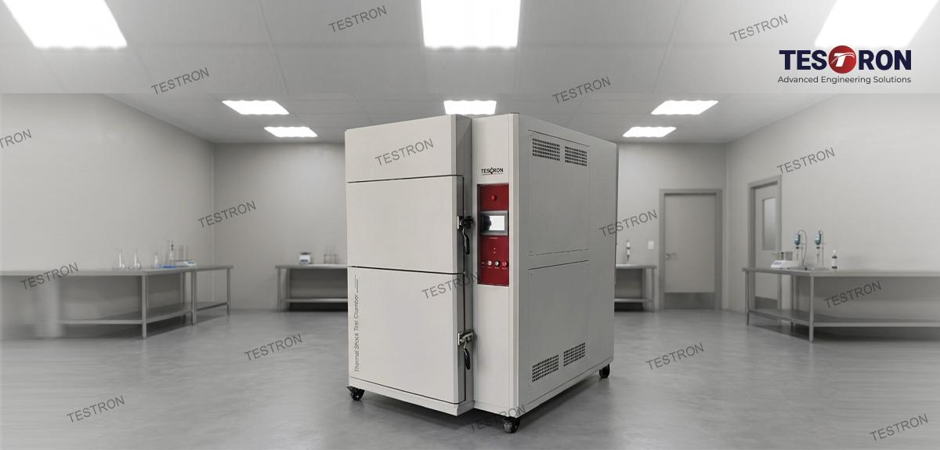

When your products are expected to keep working in extreme surroundings, reliability testing is basically not optional. Whether you build electronic components, automotive parts, aerospace systems or industrial equipment, you really need confidence that the items can handle rapid temperature swings without entering a failure mode.
That is where thermal shock testing becomes essential. However, many businesses focus heavily on selecting the right equipment while overlooking an equally important factor: installation. Even the most advanced testing system can produce unreliable results if it is not installed correctly.
If you’re planning to install a thermal shock chamber in the USA, understanding the setup process can help you avoid costly mistakes, improve testing accuracy and protect your investment from day one.
This guide explains everything you need to know before bringing a thermal shock test chamber into your laboratory or manufacturing facility.
Why Good Thermal Shock Chamber Installation Is Important
A thermal shock chamber is designed to expose products to sudden temperature transitions between hot and cold. These rapid changes help identify weaknesses that may not appear during normal testing.
However, testing accuracy depends heavily on proper installation. If the chamber is placed in an unsuitable location or connected incorrectly, it can affect temperature consistency, system performance and overall reliability.
A correctly installed thermal shock testing chamber helps you:
- Maintain exact and repeatable test results
- Decline unexpected downtime
- Improve equipment lifespan
- Support compliance with testing standards
For quality control teams and testing laboratories, installation is the basis of long-term testing success.
Reliable environmental testing is also supported by study and measurement standards developed by the National Institute of Standards and Technology (NIST). NIST works closely with manufacturers and testing laboratories to improve measurement accuracy, product trustworthiness and quality guarantee trials across multiple industries.
Installation Actions for a Thermal Shock Chamber
Once your facility is scheduled, the installation process can start.
Site Preparation
The installation area should be inspected before delivery. Floor strength, utility connections and environmental conditions should all meet equipment requirements.
Equipment Positioning
The chamber must be carefully positioned and leveled. Good leveling helps ensure consistent operation and prevents unnecessary mechanical stress.
Electrical and System Connections
After positioning, technicians connect power supplies and verify all electrical systems. Safety inspections are performed before startup.
Initial System Verification
Before testing starts, the thermal shock temperature chamber should undergo a complete practical inspection. This confirms that heating, cooling and control systems operate correctly.
Taking time during this step helps control problems later.
Understanding Facility Requirements Before Installation
Before the equipment comes, your facility should be prepared to support its operation.
Space Planning and Chamber Placement
Thermal shock chambers require good clearance around the unit. This allows good airflow, easier access for maintenance and a safer operation.
Avoid placing tools in congested areas where technicians may struggle to complete examinations or restorations. Planning for future care can save important time later.
Power Supply Conditions
A reliable electrical connection is necessary. Most chambers require stable power to maintain temperature control and ensure consistent testing performance.
Before installation, verify voltage requirements, electrical capacity and safety protections with your facility team.
Ventilation and Environmental Conditions
A thermal shock environmental chamber generates heat during operation. Proper ventilation helps maintain system efficiency and controls unnecessary pressure on chamber parts.
Facilities should also avoid extreme dust, moisture or varying ambient temperatures around the testing area.
Calibration and Commissioning After Installation
Installation is only part of the procedure. Calibration and commissioning confirm the chamber performs according to specifications.
Calibration proves that temperature transitions occur accurately and consistently. This step is especially important for laboratories working under strict quality requirements.
Commissioning normally includes:
- Temperature verification
- System performance checks
- Controller validation
- Operational testing
Skipping these steps may compromise testing accuracy and reliability.
Why Help from Manufacturers and Suppliers Matters
Successful installation often depends on your equipment provider’s expertise. Experienced thermal shock chamber manufacturers understand facility requirements and can guide customers through the installation process. Likewise, reputable thermal shock chamber distributors help coordinate delivery, setup and technical support.
A dependable thermal shock chamber supplier does more than provide a tool. They help confirm that your system operates correctly from the beginning and continues to deliver trustworthy performance throughout its lifecycle.
Selecting the Right Location for a Thermal Shock Chamber in the USA
Selecting a good installation location is as important as selecting the equipment itself. When installing a thermal shock chamber in the USA, consider how the compartment will be used daily.
Laboratories usually prioritize controlled environments, while manufacturing facilities may require easy access for production-related testing. The ideal location should provide:
- Stable environmental conditions
- Easy operator access
- Adequate ventilation
- Space for maintenance activities
- Safe movement of test specimens
A well-planned installation location improves both productivity and equipment performance.
Understanding Thermal Shock Chamber Price Beyond Equipment Costs
When evaluating thermal shock chamber price, many buyers focus only on the initial purchase cost. However, installation-related costs should also be considered.
These may include:
- Site preparation
- Electrical upgrades
- Calibration services
- Operator training
- Preventive maintenance planning
Looking at the complete ownership cost gives you a more realistic understanding of your investment.
Installation Readiness Checklist for Thermal Shock Chambers in the USA
Before installation, confirm that:
- Installation space is prepared
- Electrical requirements are verified
- Ventilation systems are adequate
- Calibration plans are in place
- Operators are trained
- Technical help is available
This simple checklist can help your project move smoothly from operation delivery.
Common Installation Mistakes Facilities Should Avoid
Many installation problems are preventable. Some of the most common mistakes include:
- Installing chambers in incorrectly ventilated areas
- Ignoring electrical requirements
- Limiting maintenance access
- Skipping calibration verification
- Providing insufficient operator training
Avoiding these issues helps protect both your equipment and testing results.
Building a Reliable Thermal Testing Program from Day One
Installing a thermal shock chamber in the USA is more than a facility upgrade. It is an investment in product reliability, testing accuracy and long-term quality assurance. When installed correctly, your chamber can deliver dependable results for years while supporting critical testing programs.
Ready to strengthen your testing capabilities? Contact Testron Group today or request a demo to explore the right thermal shock chamber solution for your laboratory or manufacturing facility.
