
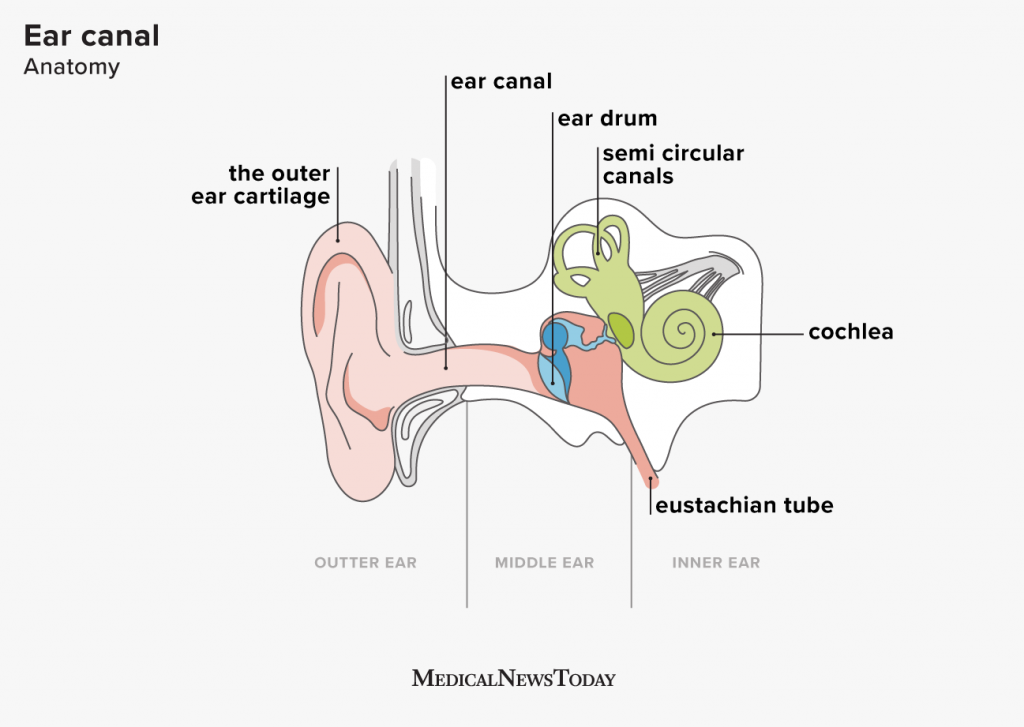

Ear infections are a common health problem that affects people of all ages. Many of these infections occur in the ear canal, the small passage that leads from the outside ear to the eardrum. When bacteria or fungi enter this area, they can cause inflammation, pain, and discomfort. One of the most well-known ear canal infections is Otitis Externa, often called Swimmer’s Ear.
Otitis Externa develops when moisture, bacteria, or irritation damages the skin inside the ear canal. This can lead to redness, swelling, and sometimes fluid drainage. While mild infections may improve quickly, more severe cases require proper ear canal infection care and medical treatment.
Doctors who specialize in ear health, known as ENT Specialists or Otolaryngologists, play an important role in diagnosing and treating ear infections. Using specialized tools and medical knowledge, they can identify the type of infection and recommend the most effective ear infection treatment.
This article explains how doctors diagnose Otitis Externa, how it differs from Otitis Media, and what treatment options are available to help patients recover and protect their hearing.
Understanding Ear Infections and Their Causes
What Is Otitis Media and How It Affects the Middle Ear
While Otitis Externa affects the outer ear canal, Otitis Media occurs deeper inside the ear. This condition involves inflammation or infection of the middle ear, the space behind the eardrum.
The middle ear contains small bones that help transmit sound to the inner ear. When fluid builds up in this space, it can lead to pain, pressure, and temporary hearing loss.
Otitis Media often develops after a cold, allergy, or respiratory infection. These illnesses can block the Eustachian Tube, a small channel that connects the middle ear to the throat. When this tube becomes blocked, fluid can accumulate and create an environment where bacteria grow.
Common symptoms of Otitis Media may include:
- Ear pain or pressure
- Reduced hearing
- Fever
- Irritability in children
Treatment for Otitis Media may include medication, pain relief, or in some cases antibiotics if a bacterial infection is present.
What Causes Otitis Externa in the Ear Canal
Otitis Externa is an infection that affects the outer ear canal. It occurs when bacteria or fungi infect the skin lining inside the ear.
One of the most common causes is trapped moisture. Water remaining in the ear after swimming or bathing can create a warm environment where bacteria grow easily.
Other factors that may contribute to Otitis Externa include:
- Scratching the ear canal
- Using cotton swabs too deeply
- Wearing hearing aids for long periods
- Skin conditions such as eczema
When the protective layer of the ear canal becomes damaged, bacteria can enter and cause inflammation. This leads to symptoms such as redness, swelling, and ear pain.
Because the infection occurs in the ear canal, proper ear canal infection care is important to prevent the condition from becoming worse.
Symptoms of Common Ear Infections
Warning Signs of Middle Ear Infections
Symptoms of Otitis Media can vary depending on the severity of the infection. In many cases, patients notice a sudden feeling of pressure or fullness in the ear.
Other common signs may include:
- Sharp ear pain
- Temporary hearing problems
- Fluid drainage from the ear
- Difficulty sleeping due to discomfort
Children may experience additional symptoms such as crying, irritability, or pulling at the ear. Because young children cannot always explain their symptoms, parents often rely on behavioral signs to recognize ear infections.
Early diagnosis helps prevent complications and ensures the correct otitis media treatment is provided.
Symptoms of Outer Ear or Ear Canal Infections
Otitis Externa usually begins with mild itching or irritation inside the ear canal. As the infection develops, symptoms may become more noticeable.
Common symptoms include:
- Ear pain that becomes severe and extreme on touching the outer part.
- Redness inside the ear canal
- Swelling of the outer ear
- Drainage of clear or yellow fluid
In some cases, the ear canal may become so swollen that hearing becomes temporarily reduced. Severe infections may also cause tenderness around the ear or jaw.
Recognizing these symptoms early allows doctors to begin otitis externa treatment before the infection spreads.
Otitis Media Treatment Options
Medical Treatments for Middle Ear Infections
Treatment for Otitis Media depends on the cause and severity of the infection. Some mild infections may resolve on their own as the body’s immune system fights the bacteria or virus.
Doctors often recommend simple treatments such as:
- Over-the-counter pain relievers
- Warm compresses for comfort
- Rest and hydration
When bacterial infection is confirmed, doctors may prescribe antibiotics to eliminate the bacteria causing the infection.
In children who experience frequent middle ear infections, doctors may monitor the condition closely to prevent hearing problems.
When Antibiotics or Other Therapies Are Needed
In certain situations, antibiotics become necessary to treat Otitis Media effectively. Doctors may prescribe them when symptoms are severe or when the infection does not improve within a few days.
Some patients pain improve from other additional treatments such as:
- Decongestants to reduce pressure in the ear
- Anti-inflammatory medications to reduce swelling
- Monitoring for fluid buildup in the middle ear
Proper treatment helps restore normal ear function and reduces the risk of complications such as hearing loss.
Otitis Externa Treatment and Ear Canal Infection Care
Ear Drops and Medications for Outer Ear Infections
The most common treatment for Otitis Externa involves medicated ear drops. These drops may contain antibiotics, antifungal agents, or anti-inflammatory medications.
The purpose of these medications is to eliminate infection and reduce swelling inside the ear canal.
Doctors often recommend keeping the ear dry during recovery. Avoiding water exposure allows the skin in the ear canal to heal more quickly.
Pain relief medications may also be suggested to reduce discomfort while the infection improves.
Cleaning and Protecting the Ear Canal During Recovery
In some cases, doctors may gently clean the ear canal to remove debris or infected material. This process helps medications reach the affected area more effectively.
Proper ear infection treatment also includes avoiding objects such as cotton swabs that may irritate the ear further.
Patients are usually advised to:
- Keep the ear dry
- Avoid inserting objects into the ear
- Follow medication instructions carefully
With proper treatment, most cases of Otitis Externa improve within a few days.
How ENT Specialists Diagnose Ear Infections
Ear Examination and Diagnostic Tools
Diagnosing ear infections begins with a careful ear examination. Doctors typically use an instrument called an Otoscope, which allows them to look inside the ear canal and examine the eardrum.
During the exam, doctors look for signs such as:
- Redness
- Swelling
- Fluid behind the eardrum
- Ear canal irritation
In some cases, additional diagnostic tools may be used to evaluate hearing or check for fluid buildup.
Identifying the Type of Ear Infection
Accurate diagnosis is important because different ear infections require different treatments. Doctors must determine whether the infection is affecting the outer ear, middle ear, or another part of the ear.
For example:
- Otitis Externa affects the ear canal
- Otitis Media affects the middle ear
By identifying the exact location of the infection, doctors can recommend the most effective treatment plan.
Preventing Ear Infections and Protecting Ear Health
Simple Habits That Reduce Infection Risk
Preventing ear infections often involves simple daily habits that protect the ears from irritation and moisture.
Helpful prevention tips include:
- Drying the ears after swimming or bathing
- Avoiding inserting objects into the ear canal
- Using ear protection in polluted or dusty environments
Maintaining good ear hygiene helps protect the delicate skin inside the ear canal.
When to Seek Medical Care for Ear Pain
Although many ear infections improve with treatment, some symptoms require medical attention.
People should seek medical care if they experience:
- Severe ear pain
- Persistent drainage from the ear
- Hearing loss
- Fever associated with ear discomfort
Early evaluation from a qualified ENT Specialist can help prevent complications and ensure proper treatment.
Conclusion
Ear infections such as Otitis Externa and Otitis Media can cause significant discomfort and interfere with hearing and daily activities. These infections may develop due to bacteria, trapped moisture, or blocked airways within the ear.
Fortunately, modern ear infection treatments provide effective solutions for most cases. Doctors use careful examinations, diagnostic tools like the Otoscope, and medical expertise to identify the exact cause of the infection.
Treatment options may include medicated ear drops, antibiotics, pain relief medications, and proper ear canal infection care. In many cases, patients recover quickly when treatment begins early.
By recognizing symptoms, maintaining good ear hygiene, and seeking medical care when needed, individuals can protect their ears and maintain long-term hearing health. Regular checkups with qualified ENT Specialists also help ensure that ear infections are diagnosed and treated effectively.
