
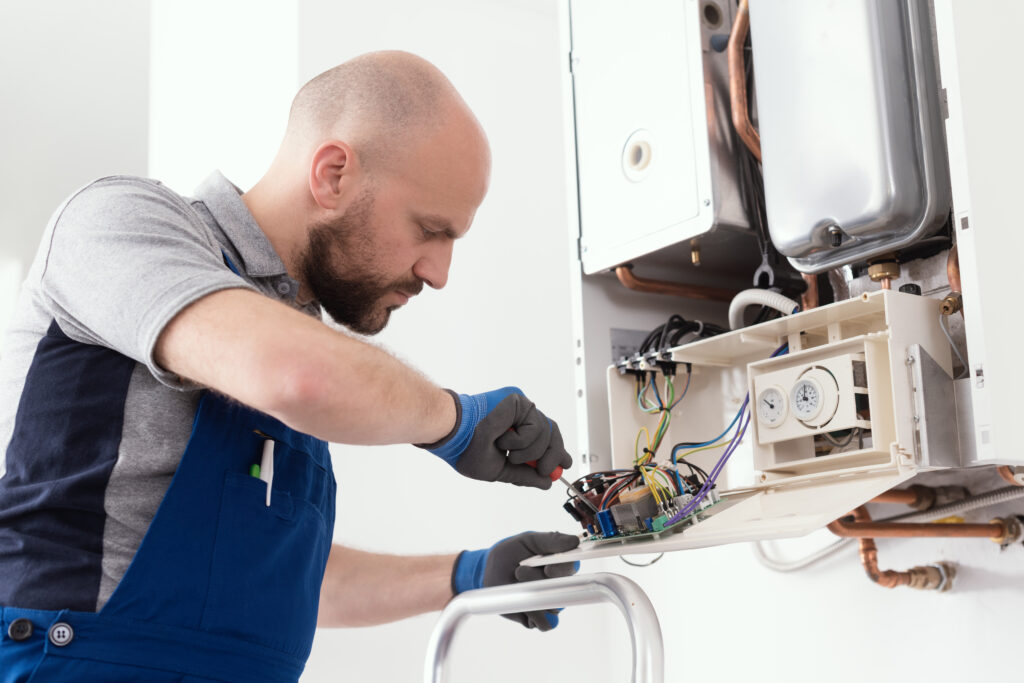

A boiler is one of the most important systems in your home, especially during colder months. It keeps your space warm, supports daily comfort, and ensures consistent heating performance. But like any mechanical system, boilers wear down over time.
The real question homeowners face is simple: should you keep repairing your existing system, or is it time to invest in a replacement?
Understanding when to make that decision can save you money, reduce stress, and improve your home’s efficiency.
Understanding the Role of Your Boiler
Your boiler works behind the scenes to provide steady heat throughout your home. When it runs efficiently, you barely notice it. But when problems start to appear, they can quickly become inconvenient.
Small issues may seem manageable at first, but they often signal deeper wear within the system. Recognizing these signs early helps you decide whether a repair is enough or if a replacement is the smarter choice.
When Repairs Make Sense
Not every issue means you need a new boiler. In many cases, repairs are the most practical and cost-effective solution.
If your boiler is relatively new and has been well maintained, fixing minor problems can extend its lifespan. Issues like faulty thermostats, pressure imbalances, or worn components can usually be resolved without major expense.
Repairs are also a good option when the cost is low and the system continues to perform efficiently afterward. In these situations, investing in a full replacement may not be necessary.
Signs That Repairs Are No Longer Enough
As boilers age, problems tend to become more frequent and more expensive. This is when repairs start to lose their value.
If you notice repeated breakdowns, rising energy bills, or uneven heating, your system may be struggling to keep up. Older boilers often require more fuel to produce the same level of heat, which increases long-term costs.
At this stage, continuing to repair the system can become a temporary fix rather than a real solution.
The Impact of Age on Your Decision
Age is one of the most important factors in deciding between repair and replacement.
Most boilers have a lifespan of 15 to 25 years. As they approach this range, efficiency drops and reliability becomes uncertain. Even if repairs are possible, they may not be worth the investment.
An older system is more likely to experience unexpected failures, especially during peak usage in winter. This can lead to higher repair costs and increased inconvenience.
Comparing Costs: Repairs vs Replacement
One of the biggest considerations is cost. Repairs may seem cheaper upfront, but they can add up over time.
If you are spending money on repairs every season, it may be more economical to invest in a new system. A replacement offers better efficiency, fewer breakdowns, and long-term savings.
At this point, evaluating the new boiler installation cost becomes essential. It helps you understand the long-term value of upgrading compared to continuing with short-term fixes.
Energy Efficiency and Long-Term Savings
Modern boilers are designed to be far more efficient than older models. They use less fuel, provide consistent heating, and reduce overall energy consumption.
This improved efficiency can significantly lower your heating bills over time. While the initial investment may seem high, the savings often make up for it in the long run.
Upgrading your system is not just about fixing a problem—it’s about improving performance and reducing ongoing costs.
Comfort and Reliability
A reliable heating system is essential for maintaining comfort in your home. Older boilers may struggle to heat evenly, leaving some areas too warm and others too cold.
Frequent repairs can also disrupt your routine, especially during colder months when heating is critical.
A new boiler provides consistent performance, giving you peace of mind and a more comfortable living environment.
Safety Considerations
Safety is another important factor to consider. Aging boilers can develop issues that go beyond efficiency, including leaks or faulty components.
While regular maintenance can reduce risks, older systems are generally more prone to problems. Investing in a newer system ensures that your heating setup meets modern safety standards.
Planning Ahead vs Emergency Decisions
One of the biggest advantages of replacing your boiler early is avoiding emergency situations.
When a boiler fails unexpectedly, you may be forced to make a quick decision under pressure. This can limit your options and lead to higher costs.
Planning ahead allows you to choose the right system, compare options, and schedule installation at a convenient time.
Making the Right Decision for Your Home
Every home is different, and the right choice depends on your specific situation.
If your boiler is relatively new and the repair is minor, fixing it may be the best option. But if your system is aging, inefficient, and frequently breaking down, replacement becomes a smarter investment.
Taking a long-term view helps you make a decision that balances cost, comfort, and reliability.
Conclusion
Deciding between repairs and replacement is not always easy, but understanding the key factors makes it clearer.
Repairs are ideal for newer systems with minor issues. Replacement becomes the better choice when your boiler is older, less efficient, and increasingly unreliable.
By evaluating performance, costs, and long-term benefits, you can make a confident decision that keeps your home warm and your expenses under control.
